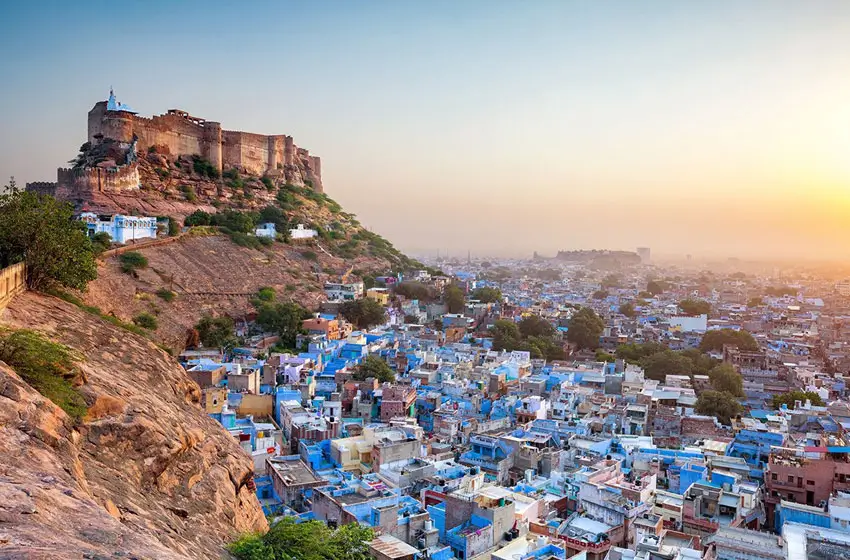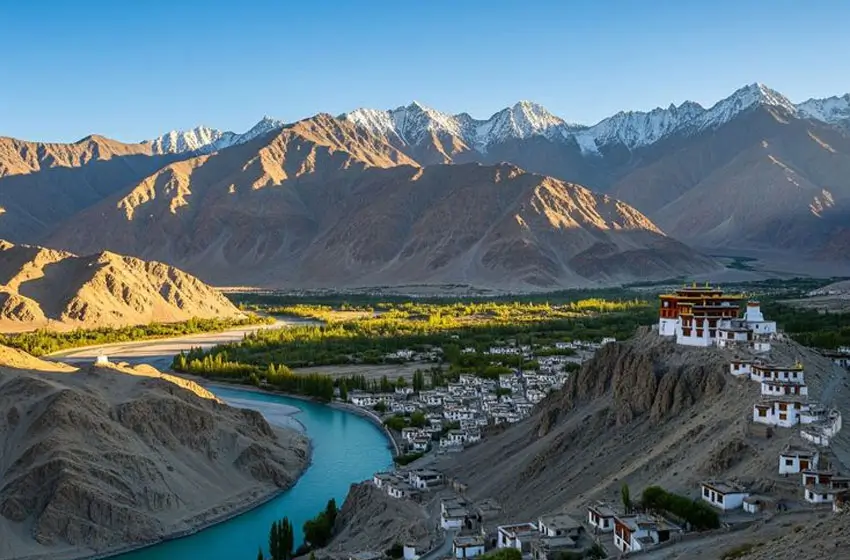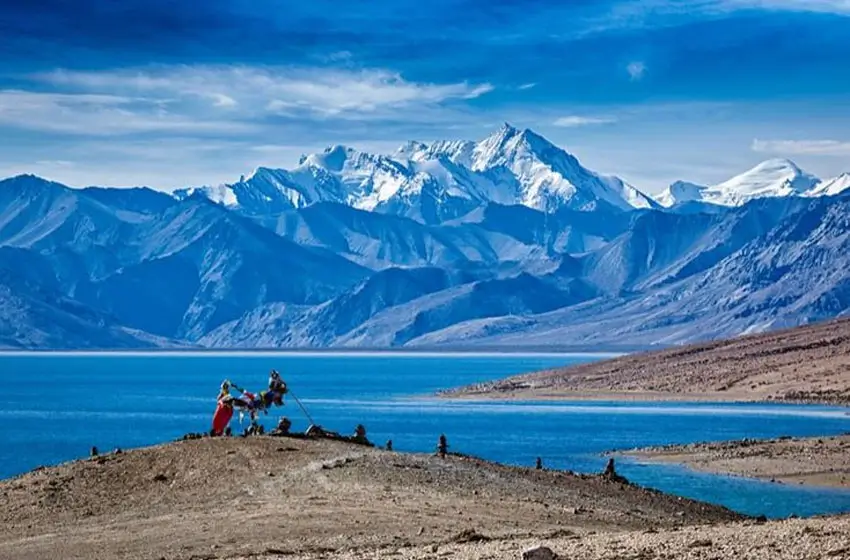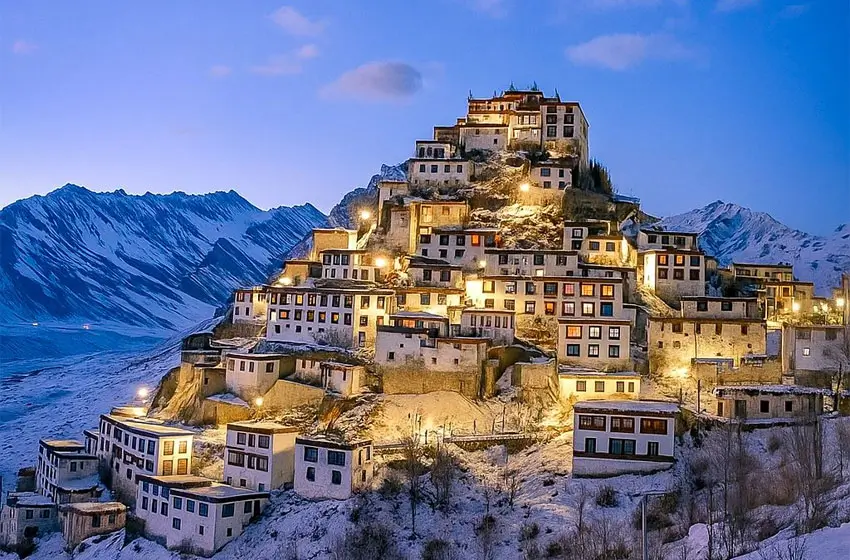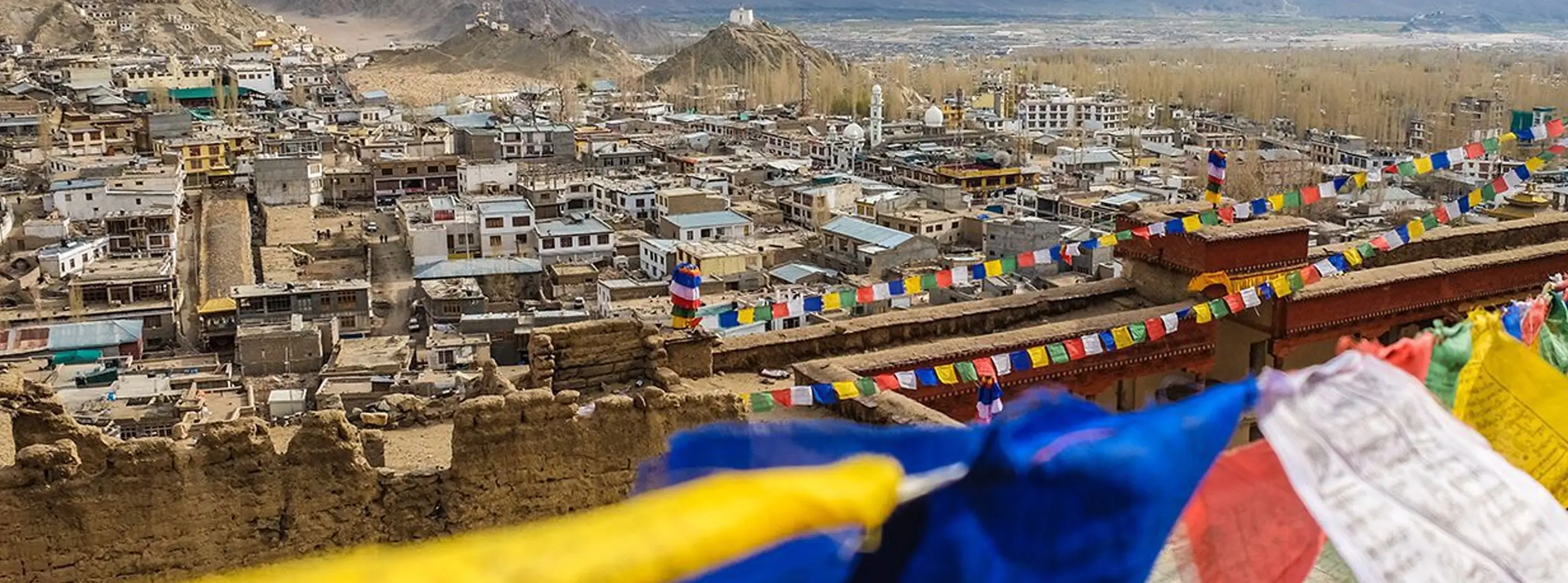
Perched high in the Himalayas, Ladakh is often called the “Land of High Passes.” With its dramatic landscapes of rugged mountains, crystal-clear lakes, ancient monasteries, and vast valleys, Ladakh offers a once-in-a-lifetime journey. It blends spirituality, adventure, and serenity, making it a dream destination for luxury travelers and explorers alike.
Traveler Tip: Acclimatize in Leh for 1–2 days before heading to higher-altitude regions.
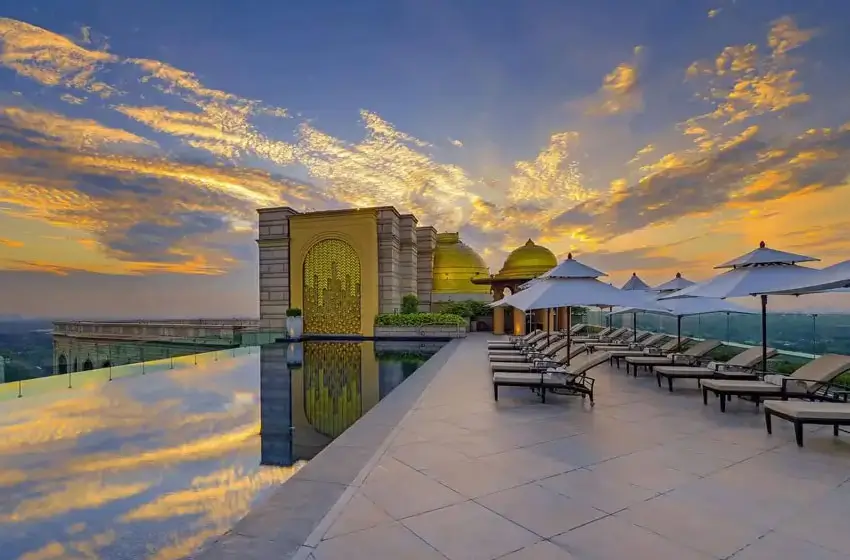
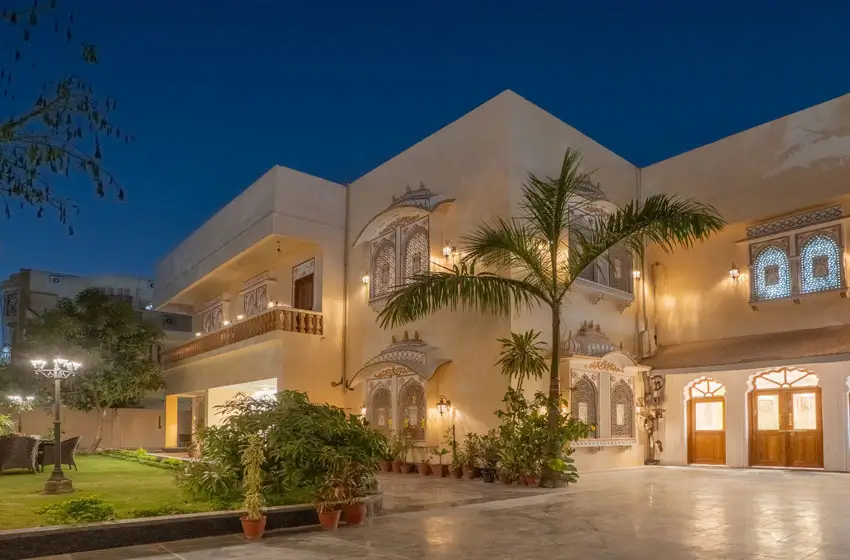
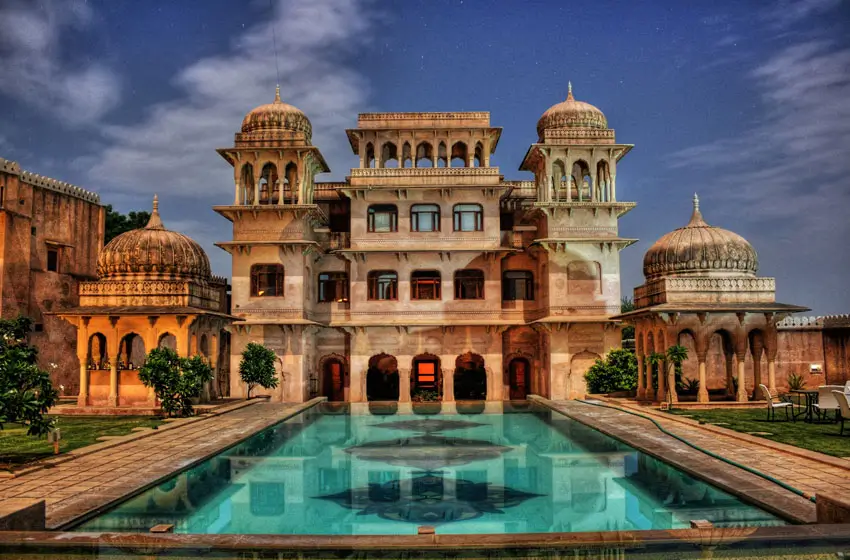
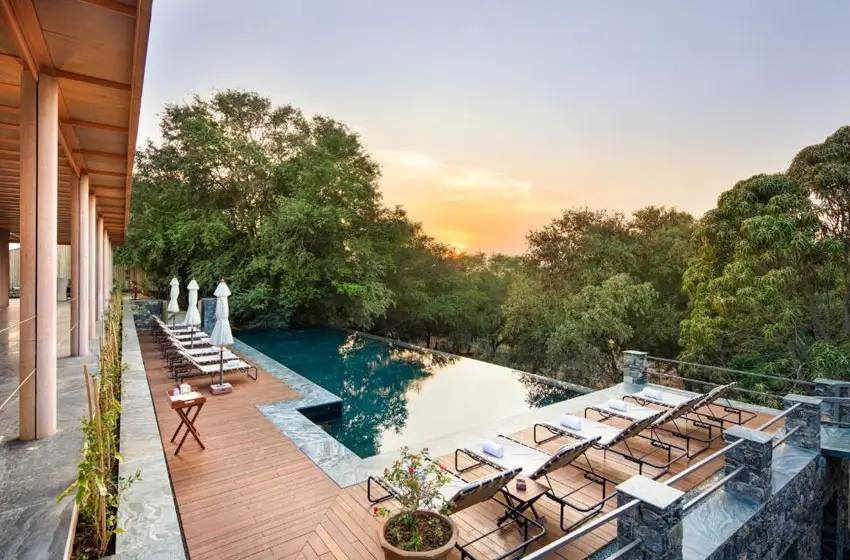
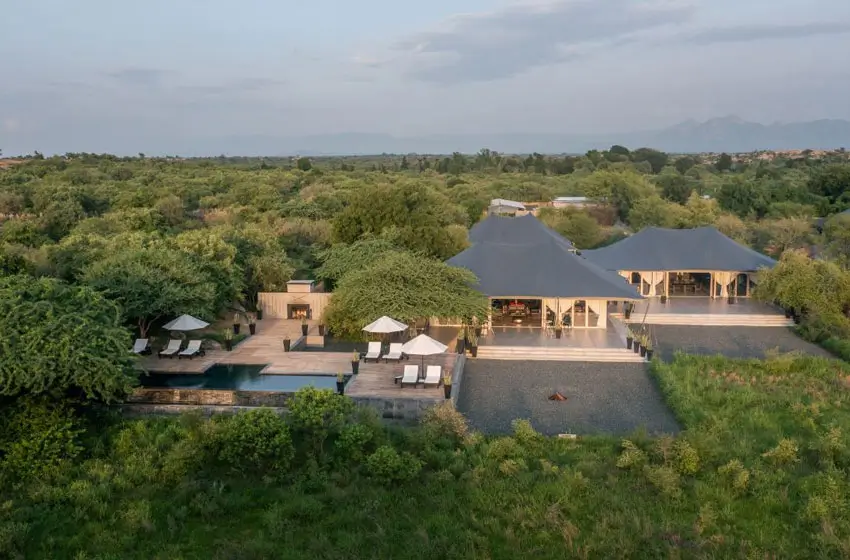
Though remote, Ladakh offers luxury boutique stays and camps that blend comfort with nature:
Insider Choice: For a regal experience, stay at Chamba Camp Thiksey; for city luxury, Grand Dragon is unmatched.
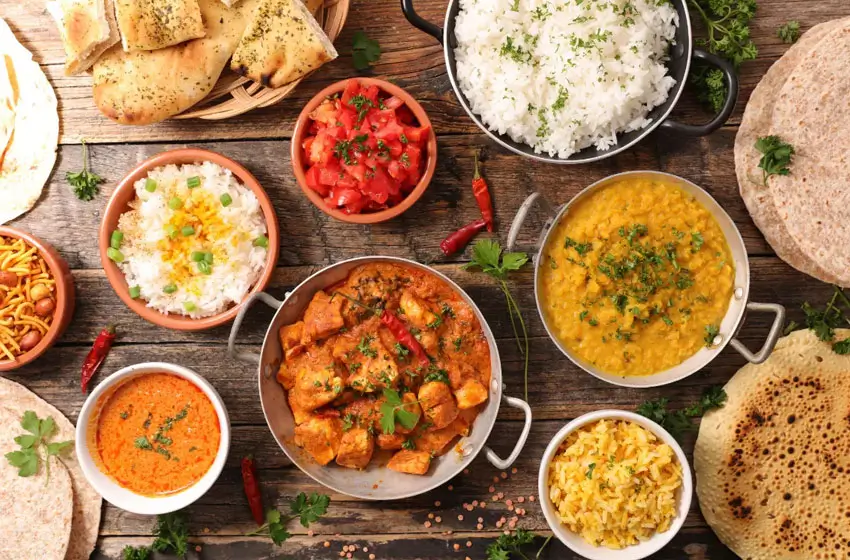
Ladakhi cuisine reflects Tibetan and Himalayan influences. Must-try dishes include Thukpa (noodle soup), Momos, Skyu (pasta stew), Tingmo (steamed bread), and Butter Tea. Luxury hotels also serve curated international menus, while cafés in Leh (like Open Hand Café, Bon Appetit) cater to global tastes.
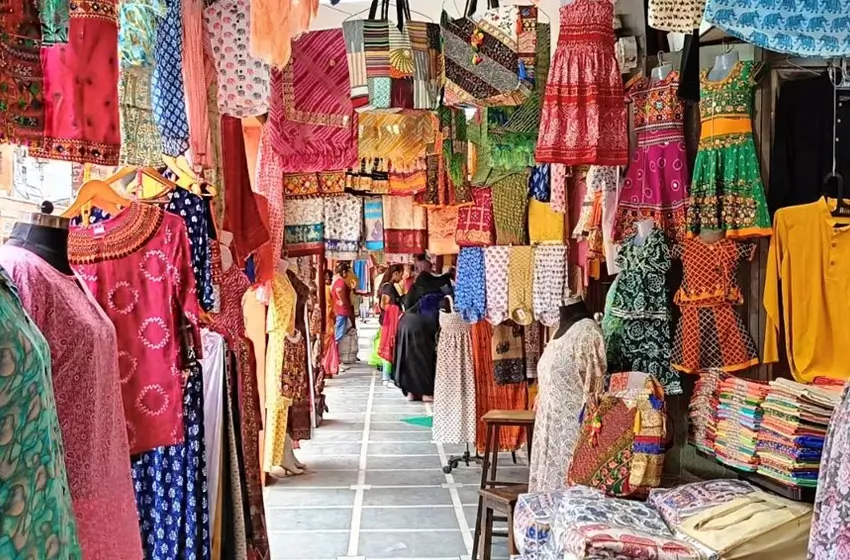
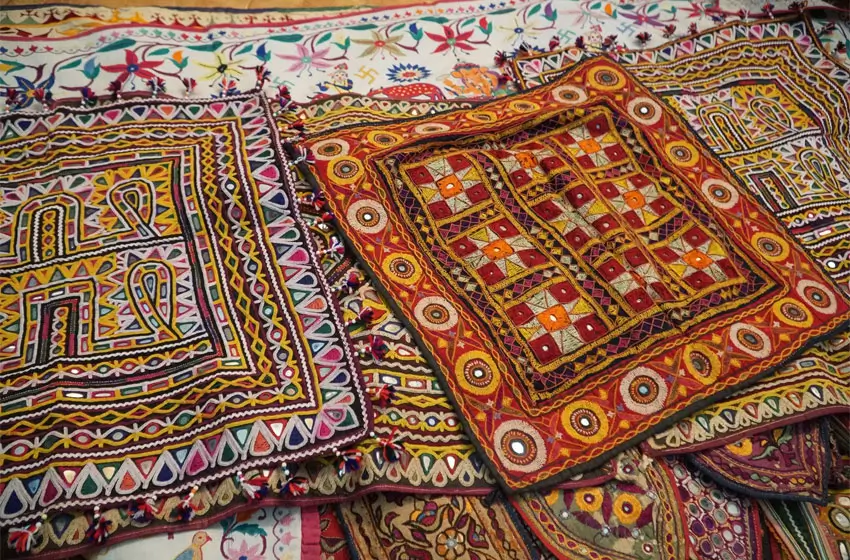
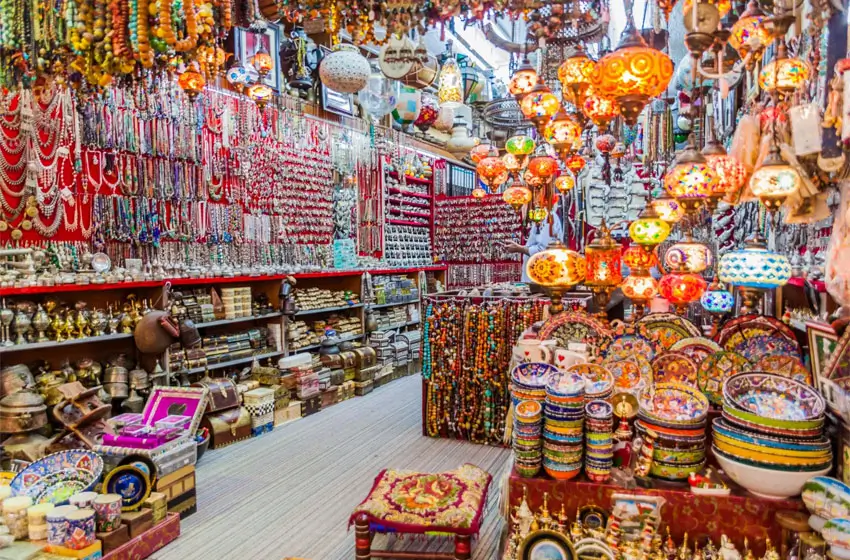
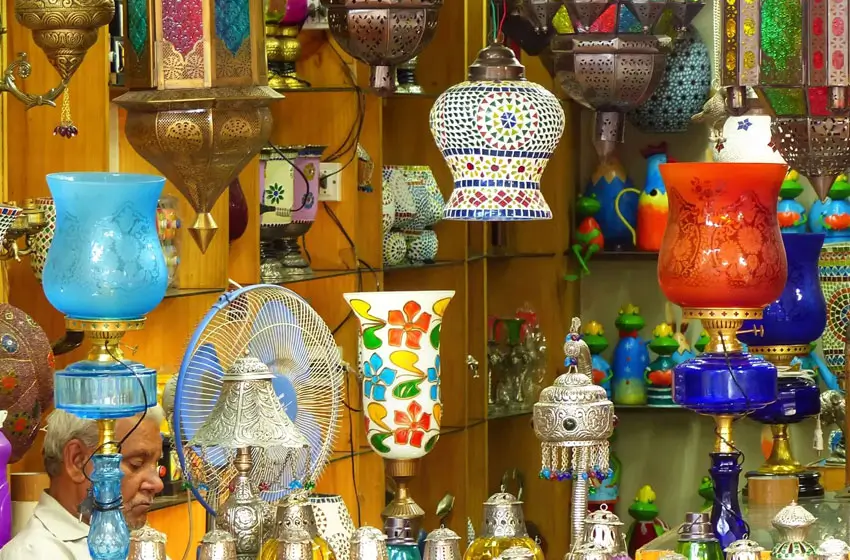
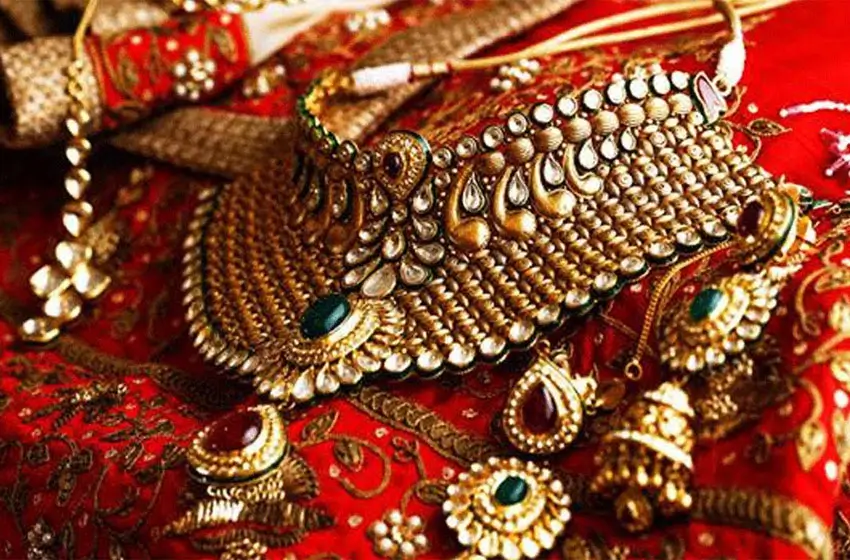
Markets in Leh and surrounding villages are full of Tibetan handicrafts, Pashmina shawls, prayer wheels, apricot products, silver jewelry, and thangka paintings.
| Season | Months | Travel Advice |
| Summer (Best) |
May – Sep | Roads open, perfect for sightseeing & treks |
| Autumn |
Oct | Cold but scenic with fewer crowds |
| Winter |
Nov – Apr | Harsh cold, limited access, Chadar Trek for adventurers |
02 Nights / 03 Days
03 Nights / 04 Days
04 Nights / 05 Day
05 Nights / 06 Days
06 Nights / 07 Days
07 Nights / 08 Days
09 Nights / 10 Days
09 Nights / 10 Days
09 Nights / 10 Days
09 Nights / 10 Days
10 Nights / 11 Days
09 Nights / 10 Days
09 Nights / 10 Days
09 Nights / 10 Days
10 Nights / 11 Days
11 Nights / 12 Days
10 Nights / 11 Days
10 Nights / 11 Days
11 Nights / 12 Days
06 Nights / 07 Days
07 Nights / 08 Days
07 Nights / 08 Days
07 Nights / 08 Days
09 Nights / 10 Days
11 Nights / 12 Days
08 Nights / 09 Days
11 Nights / 12 Days
12 Nights / 13 Days
07 Nights / 08 Days
07 Nights / 08 Days
08 Nights / 09 Days
09 Nights / 10 Days
10 Nights / 11 Days
11 Nights / 12 Days
10 Nights / 11 Days
10 Nights / 11 Days
10 Nights / 11 Days
12 Nights / 13 Days
12 Nights / 13 Days
06 Nights / 07 Days
05 Nights / 06 Days
06 Nights / 07 Days
05 Nights / 06 Days
06 Nights / 07 Days
06 Nights / 07 Days
08 Nights / 09 Days
07 Nights / 08 Days
07 Nights / 08 Days
08 Nights / 09 Days
06 Nights / 07 Days
09 Nights / 10 Days
09 Nights / 10 Days
07 Nights / 08 Days
08 Nights / 09 Days
10 Nights / 11 Days
10 Nights / 11 Days
08Nights / 09 Days
09 Nights / 10 Days
07 Nights / 08 Days
08Nights / 09 Days
09 Nights / 10 Days
07 Nights / 08 Days
06 Nights / 07 Days
07 Nights / 08 Days
08Nights / 09 Days
09 Nights / 10 Days
05 Nights / 06 Days
04 Nights / 05 Days
11 Nights / 12 Days
12 Nights / 13 Days
11 Nights / 12 Days
10 Nights / 11 Days
09 Nights / 10 Days
09 Nights / 10 Days
10 Nights / 11 Days
13 Nights / 14 Days
12 Nights / 13 Days
13 Nights / 14 Days
14 Nights / 15 Days
13 Nights / 14 Days
09 Nights / 10 Days
08 Nights / 09 Days
06 Nights / 07 Days
12 Nights / 13 Days
05 Nights / 06 Days
09 Nights / 10 Days
10 Nights / 11 Days
07 Nights / 08 Days
11 Nights / 12 Days
Ladakh is surrounded by some of the world’s highest mountain passes, including Khardung La, Chang La, and Baralacha La, making it unique.
Top highlights are Leh Palace, Pangong Lake, Nubra Valley, Khardung La, Tso Moriri Lake, and monasteries like Hemis and Thiksey.
Best stays include The Grand Dragon Ladakh, Chamba Camp Thiksey, Ladakh Sarai Resort, The Indus Valley Hotel, and Stok Palace Heritage.
The ideal season is May to September, when roads are open and the weather is pleasant for sightseeing and outdoor activities.
A 7 to 10 day trip is recommended to cover Leh, Nubra Valley, Pangong Lake, and acclimatize properly to the altitude.
Yes, inner line permits are required for Pangong, Nubra, and Tso Moriri. These can be arranged online or through local tour operators.
Local favorites include Thukpa, Momos, Skyu (pasta stew), Tingmo (steamed bread), and Butter Tea. Apricot-based products are also popular.
Yes, Ladakh is safe, but travelers must acclimatize to high altitude, travel with guides in remote areas, and carry emergency essentials.
Yes, travelers can reach Ladakh via Manali–Leh Highway (June–Sept) or Srinagar–Leh Highway (May–Oct) for one of the world’s most scenic road trips.
Popular items include Pashmina shawls, silver jewelry, apricot products, thangka paintings, prayer wheels, and Tibetan handicrafts.
Rest in Leh for 1–2 days before traveling further, stay hydrated, avoid alcohol, and ascend gradually to higher places.
Excursions include Zanskar Valley, Lamayuru (Moonland), Kargil, and winter’s Chadar Trek on the frozen Zanskar River.