

Duration : 11 Nights / 12 Days
Place Covered : Delhi - Agra - Jaipur - Bengaluru - Hampi - Badami - Aihole - Pattadakal - Mysuru
 Hotels
 Sightseeing
 Entry Tickets
 Meals
MealsKarnataka represents a very different chapter of Indian history compared to North India. While the Golden Triangle reflects Mughal and Rajput power, Karnataka reveals the legacy of the Chalukyas, Hoysalas, and Vijayanagara Empire. This tour is designed to clearly show that contrast by first grounding travelers in North India’s iconic monuments and then moving south into ancient stone cities, temple towns, and royal capitals.
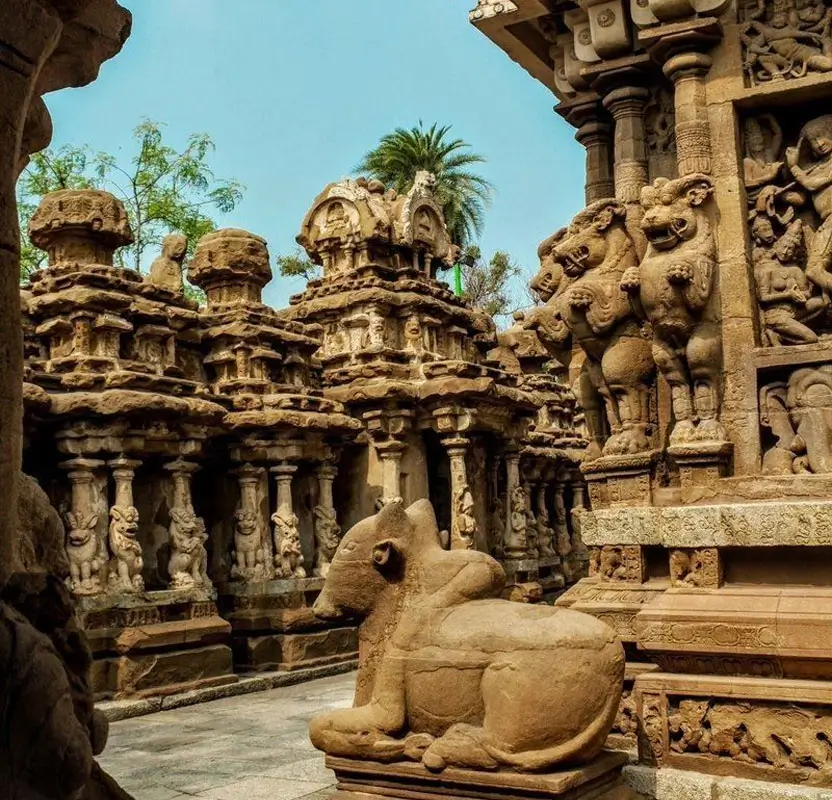
The Karnataka segment focuses on architectural mastery, temple sculpture, and archaeological storytelling rather than ritual intensity. Massive granite complexes, star-shaped temples, and ruined capitals form the heart of this experience. The pace is deliberate, allowing time to absorb scale, craftsmanship, and historical continuity.
Covering Delhi, Agra, Jaipur, and heritage centers in Karnataka, this journey is ideal for travelers who value history, archaeology, and cultural depth.
Upon arrival in Delhi, you are met at the airport and transferred privately to your hotel. The drive through New Delhi introduces wide avenues, colonial-era planning, and administrative districts that reflect British and Mughal influences layered together. Check-in is smooth, allowing you to rest after international travel.
The afternoon is kept free to recover from jet lag and adjust to climate and time differences. This downtime is essential before beginning an itinerary focused heavily on walking and heritage exploration. Hotel facilities may be enjoyed at leisure.
In the evening, a short orientation drive around India Gate, Rashtrapati Bhavan, and Parliament House provides context for modern India’s political landscape. The day concludes early.
After breakfast, the day begins with a guided visit to Humayun’s Tomb, a UNESCO World Heritage Site that introduced Persian garden-tomb design to India. The guide explains symmetry, charbagh layout, and how this structure later influenced the Taj Mahal.
Later, you visit Qutub Minar Complex, where early Indo-Islamic architectural styles are visible through carved pillars, mosques, and victory towers. Time is given to study inscriptions and reused temple materials that reflect early cultural transition.
In the afternoon, you drive past Lodhi Road and visit Lodhi Gardens, offering a softer introduction to Delhi’s tomb architecture. The evening is free.
After breakfast, you depart Delhi for Agra by private vehicle. The journey follows modern highways, with rest stops planned to ensure comfort.
Upon arrival, you check into your hotel and rest briefly. Later, you visit Agra Fort, exploring Diwan-i-Am, Diwan-i-Khas, royal apartments, and river-facing balconies. The guide explains Mughal governance, court hierarchy, and architectural symbolism.
The evening remains free, allowing quiet rest after travel.
The morning begins with a guided visit to the Taj Mahal, approached with emphasis on architectural balance, marble craftsmanship, and Persian–Islamic symbolism. Time is allocated generously to absorb scale and detail.
After returning to the hotel for breakfast, the afternoon is kept light. Optional visits to Itmad-ud-Daulah’s Tomb offer insight into decorative experimentation that preceded the Taj Mahal.
The evening is free for reflection or leisure.
After breakfast, you travel toward Jaipur. En route, you stop at Fatehpur Sikri, the abandoned Mughal capital. The guide explains Emperor Akbar’s vision, water scarcity issues, and palace planning principles.
The drive continues into Rajasthan, where fortified towns and desert landscapes mark a cultural shift from Mughal to Rajput dominance. Comfort breaks ensure relaxed travel.
By evening, you arrive in Jaipur and check into your hotel. No sightseeing is planned at night.
After breakfast, you visit Amber Fort, where defensive architecture, palace courtyards, temples, and royal residences coexist within one hilltop complex. The guide explains Rajput warfare strategies and religious patronage.
Later, you visit City Palace, exploring royal museums, ceremonial halls, and courtyards. A visit to Jantar Mantar highlights astronomical precision used to determine ritual calendars and royal decision-making.
In the afternoon, you stop for photographs at Hawa Mahal. The evening is free.
After breakfast, you are transferred to Jaipur Airport for your flight to Bengaluru via a major hub. The transition from North India’s forts to South India’s plateau landscape marks a clear historical shift—from Mughal–Rajput power to Deccan dynasties. Airport assistance ensures a smooth departure and arrival.
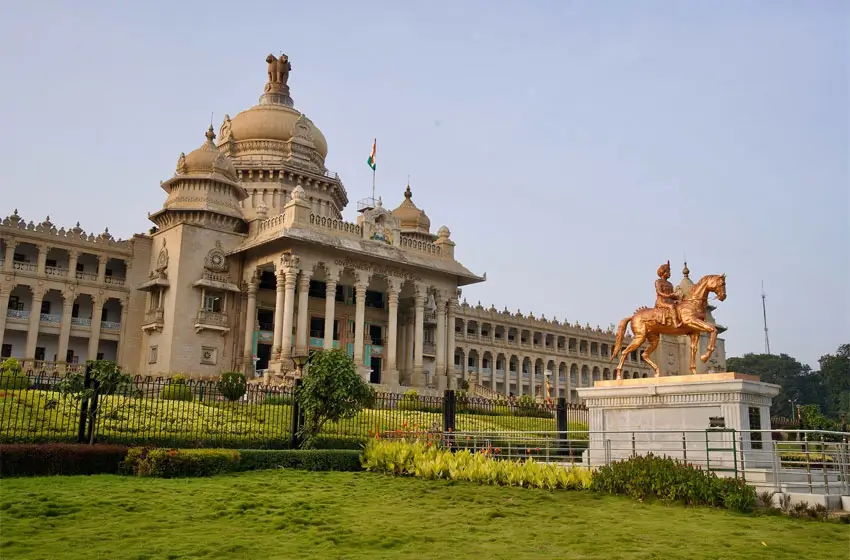
Upon landing in Bengaluru, you are welcomed and transferred to your hotel located in a quiet central district. The drive introduces tree-lined avenues and colonial-era neighborhoods that reflect the city’s layered past under the Wodeyars and the British.
The remainder of the day is kept light to recover from travel. A short orientation briefing outlines Karnataka’s major dynasties—Chalukya, Hoysala, and Vijayanagara—preparing you for the archaeological depth ahead.
After an early breakfast, you depart by road or short flight to Hampi, a UNESCO World Heritage landscape spread across boulder-strewn hills and riverbanks. Upon arrival, you check into a heritage-style hotel near the ruins, allowing easy access to the core monuments.
In the afternoon, your guided exploration begins with the Virupaksha Temple, one of the oldest functioning temples in India. The guide explains how living worship continues amid vast ruins, linking present devotion to medieval imperial power.
Later, you explore the riverside ghats and surrounding markets, understanding how trade, pilgrimage, and politics were interwoven in the Vijayanagara capital. The evening is free for rest.
The morning begins with an in-depth visit to the Vittala Temple, famous for its stone chariot and musical pillars. The guide explains acoustic engineering, iconography, and the temple’s ceremonial role within the empire.
You then explore the Royal Enclosure, including the Lotus Mahal, Elephant Stables, and ceremonial platforms. These structures reveal how courtly life, festivals, and military parades were organized within the capital.
In the afternoon, you visit Hemakuta Hill, offering panoramic views over the ruins. The evening is kept free for quiet reflection on the scale of the lost empire.
After breakfast, you travel to Badami, the former capital of the Early Chalukya dynasty. The drive passes rugged Deccan landscapes that shaped rock-cut temple traditions.
Upon arrival, you visit the Badami Cave Temples, carved directly into sandstone cliffs overlooking Agastya Lake. The guide explains iconography depicting Shiva, Vishnu, Jain Tirthankaras, and the early synthesis of Hindu and Jain traditions.
The afternoon includes a walk around Agastya Lake, where fortifications and temples create a natural amphitheater. The evening is free for rest.
After breakfast, you visit Aihole, often called the cradle of Indian temple architecture. You explore early structural experiments such as the Durga Temple and Lad Khan Temple, learning how architects tested forms and layouts.
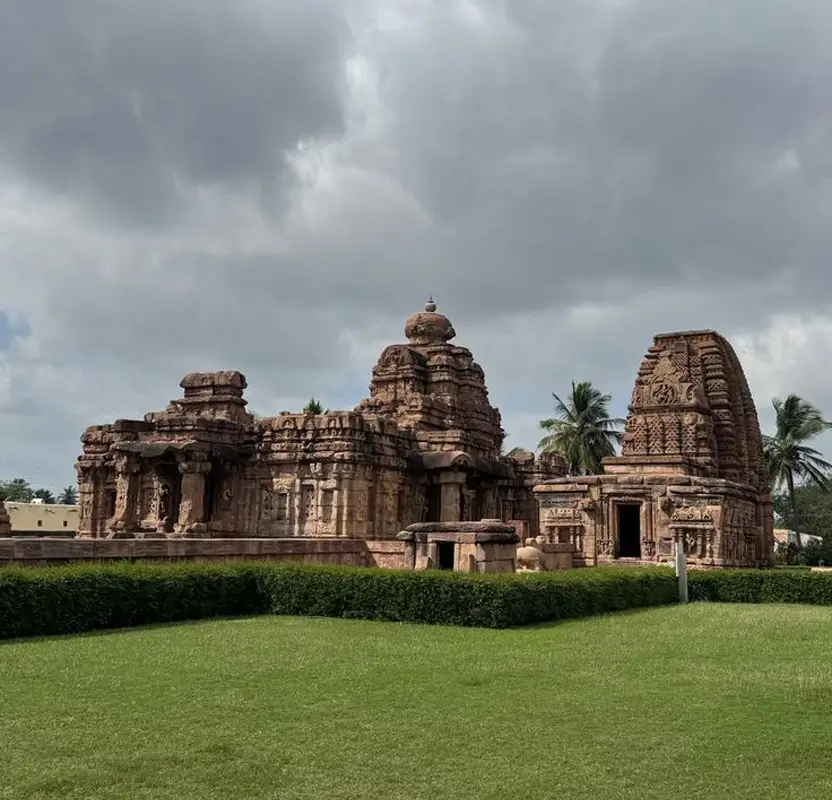
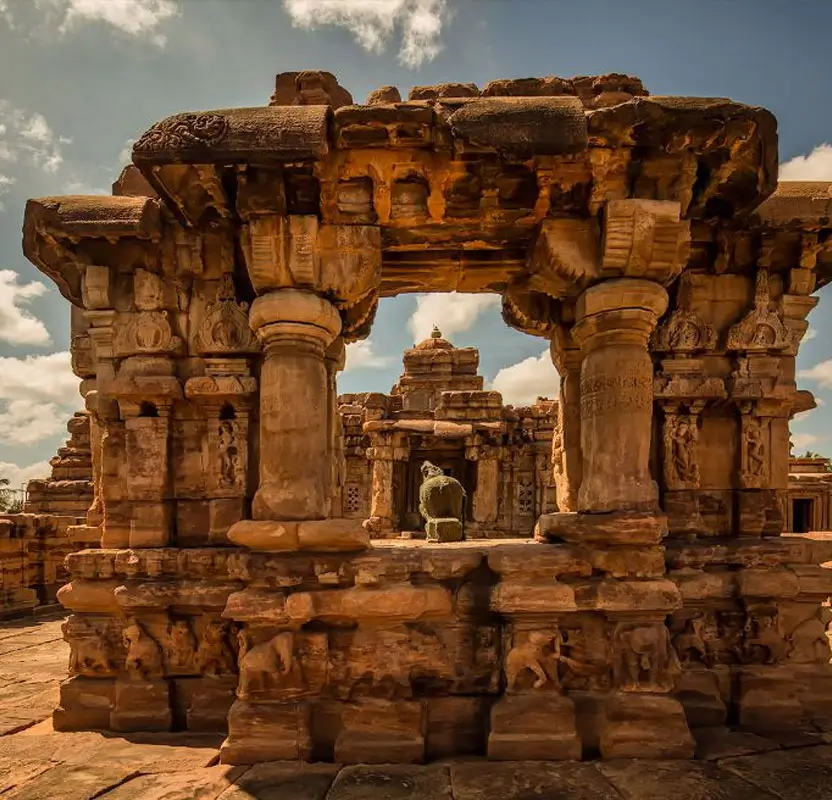
Later, you proceed to Pattadakal, a UNESCO World Heritage Site where North Indian (Nagara) and South Indian (Dravida) temple styles coexist. The guide explains coronation rituals of Chalukya kings held at this sacred site.
In the late afternoon, you continue toward Mysuru and check into your hotel. The evening is free.
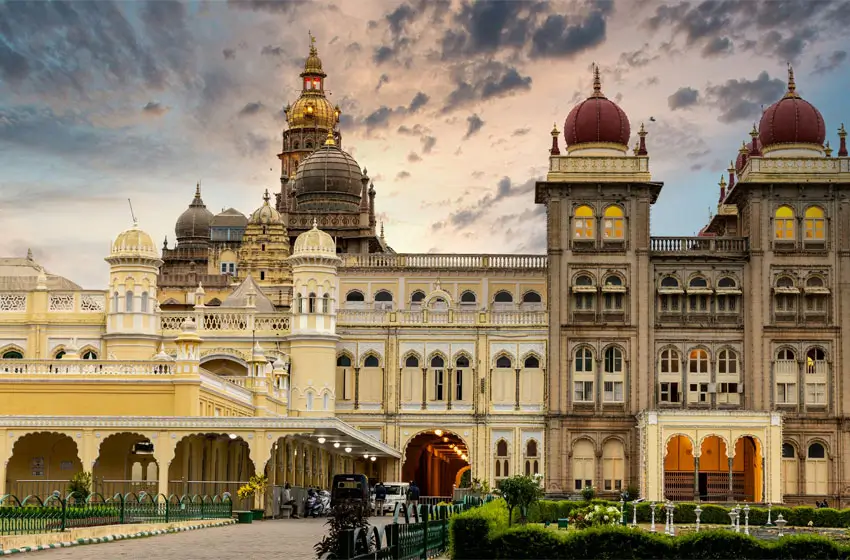
After breakfast, you visit Mysore Palace, an opulent example of Indo-Saracenic architecture. The guide explains the Wodeyar dynasty, royal ceremonies, and the palace’s role during Dasara festivities.
Later, you visit Chamundi Hill, home to the Chamundeshwari Temple, offering panoramic views over Mysuru and insight into regional goddess worship.
In the afternoon, you are transferred to Bengaluru for your onward international departure. The journey concludes with a complete arc—from imperial North India to the archaeological heart of South India.
07 Nights / 08 Days

16 Nights / 17 Days

09 Nights / 10 Days
09 Nights / 10 Days
10 Nights / 11 Days
12 Nights / 13 Days
11 Nights / 12 Days