
Duration : 10 Nights / 11 Days
Place Covered : Delhi - Agra - Jaipur - Mysuru - Hampi
 Hotels
 Sightseeing
 Entry Tickets
 Meals
MealsThis journey is designed to show two very different faces of India in one seamless experience. The Golden Triangle presents Mughal grandeur and Rajput power through well-preserved monuments, while Mysore and Hampi reveal South India’s royal traditions and the dramatic ruins of a once-great empire. Together, they form a complete historical narrative rather than disconnected destinations.
The itinerary begins with North India’s most iconic cities, allowing travelers to understand imperial planning, court life, and architectural symbolism. From there, the journey moves south into Karnataka, where history is carved into granite temples, palace courtyards, and expansive archaeological landscapes. The contrast between regions is deliberate and educational.
Covering Delhi, Agra, Jaipur, Mysuru, and Hampi, this tour is ideal for travelers seeking depth, scale, and historical continuity.
Upon arrival in Delhi, you are met at the airport and transferred privately to your hotel. The drive through New Delhi introduces broad avenues, colonial planning, and administrative zones that reflect layered histories of Mughal and British rule. Check-in is handled smoothly, allowing immediate rest after international travel.
The afternoon is kept completely free to recover from jet lag and long flights. This rest period is essential before beginning a heritage-focused itinerary that involves walking and extended monument visits. Hotel facilities may be enjoyed at leisure.
In the evening, a short orientation drive around India Gate, Rashtrapati Bhavan, and Parliament House provides context for modern India’s governance and ceremonial spaces. The day concludes early.
After breakfast, the day begins with a guided visit to Humayun’s Tomb, where Persian garden design, red sandstone architecture, and imperial symbolism are explained in detail. Time is allocated generously to explore the complex without rush.
Later, you visit Qutub Minar Complex, studying early Indo-Islamic architecture, carved pillars, and inscriptions that reveal Delhi’s transformation across dynasties. The guide explains how older temple materials were incorporated into new structures.
In the afternoon, you drive past Lodhi Road and visit Lodhi Gardens, offering a quieter architectural counterpoint. The evening is free.
After breakfast, you depart Delhi for Agra by private vehicle. The journey follows modern highways, with comfort stops planned to maintain a relaxed pace.
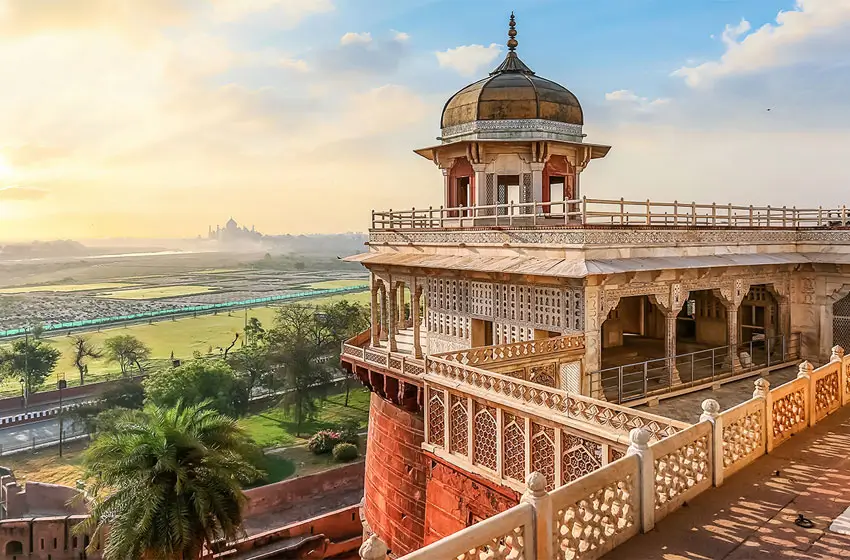
Upon arrival, you check into your hotel and rest briefly. Later, you visit Agra Fort, exploring Diwan-i-Am, Diwan-i-Khas, royal apartments, and river-facing balconies. The guide explains Mughal administration, court rituals, and family hierarchy.
The evening remains free, allowing rest after travel.
The morning begins with a guided visit to the Taj Mahal, approached with focus on architectural symmetry, marble craftsmanship, Quranic inscriptions, and garden symbolism. Time is given to absorb details rather than rushing through viewpoints.
After returning to the hotel for breakfast, the afternoon is kept light. Optional visits to Itmad-ud-Daulah’s Tomb provide insight into early decorative experimentation in Mughal architecture.
The remainder of the day is free for reflection or leisure.
After breakfast, you depart Agra for Jaipur. En route, you stop at Fatehpur Sikri, the abandoned Mughal capital. The guide explains Emperor Akbar’s political vision, palace planning, and reasons for abandonment.
The drive continues into Rajasthan, where landscapes and fortifications reflect a shift from Mughal to Rajput authority. Comfort breaks ensure relaxed travel.
By evening, you arrive in Jaipur and check into your hotel. No sightseeing is planned at night.
After breakfast, you visit Amber Fort, exploring its hilltop defenses, palace courtyards, Sheesh Mahal, and temples. The guide explains Rajput warfare strategies and religious patronage.
Later, you visit City Palace, learning about royal ceremonies, court attire, and governance. A visit to Jantar Mantar highlights astronomical knowledge used for ritual calendars and decision-making.
In the afternoon, you stop for photographs at Hawa Mahal. The evening is free.
After breakfast, you are transferred to Jaipur Airport for your flight to Mysuru via a major Indian hub. The journey marks a clear transition from North India’s desert landscapes to South India’s greener Deccan plateau. Airport assistance ensures smooth connections and baggage handling throughout the journey.
Upon arrival in Mysuru, you are welcomed and transferred to your hotel located near the city center or palace district. The drive introduces wide boulevards, colonial-era buildings, and tree-lined streets that reflect Mysuru’s calm and orderly character. This city was ruled by the Wodeyar dynasty and remained culturally distinct even during British administration.
The remainder of the day is kept relaxed to recover from travel. A short briefing by your guide introduces the Wodeyar kings, their patronage of art, music, and architecture, and Mysuru’s role as a cultural capital of South India.
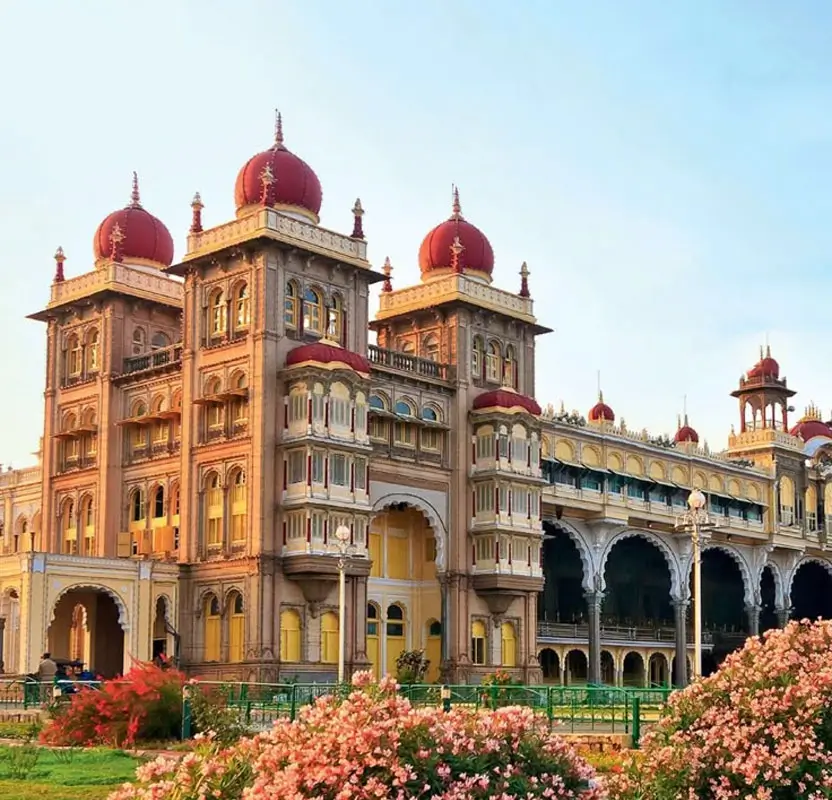
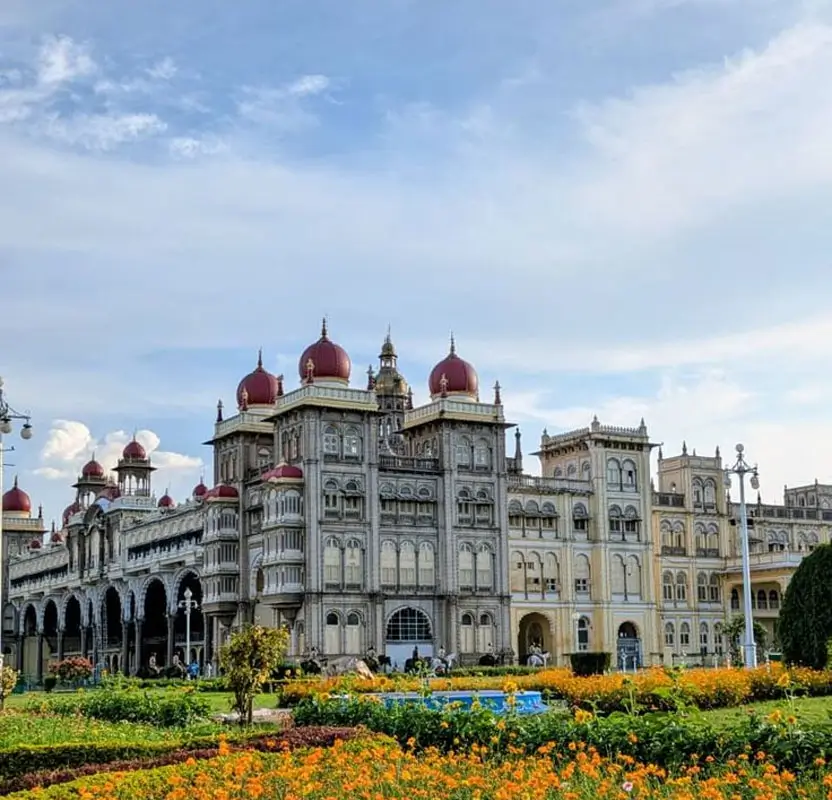
After breakfast, the day begins with a guided visit to Mysore Palace, one of India’s grandest royal residences. You explore ceremonial halls, stained-glass corridors, ivory-inlaid doors, and royal courtyards while learning about coronation rituals and the famous Dasara celebrations.
Later, you drive to Chamundi Hill, home to the Chamundeshwari Temple. The guide explains goddess worship traditions and how royal families linked their legitimacy to divine protection. Panoramic views over Mysuru offer perspective on city planning.
In the afternoon, you visit Jaganmohan Palace, known for its art collection and royal portraits. The evening is free for leisure or rest.
After breakfast, you depart Mysuru by road toward Hampi. The drive passes rural Karnataka landscapes, river basins, and granite hills, gradually introducing the dramatic terrain that once supported one of the world’s richest medieval empires.
Upon arrival in Hampi, you check into a heritage-style hotel near the ruins. The setting immediately conveys the scale of the archaeological landscape, with temples, boulders, and riverbanks visible in every direction.
In the afternoon, your exploration begins with Virupaksha Temple, a living temple complex where daily worship continues uninterrupted. The guide explains how Hampi functioned simultaneously as a sacred center and imperial capital.
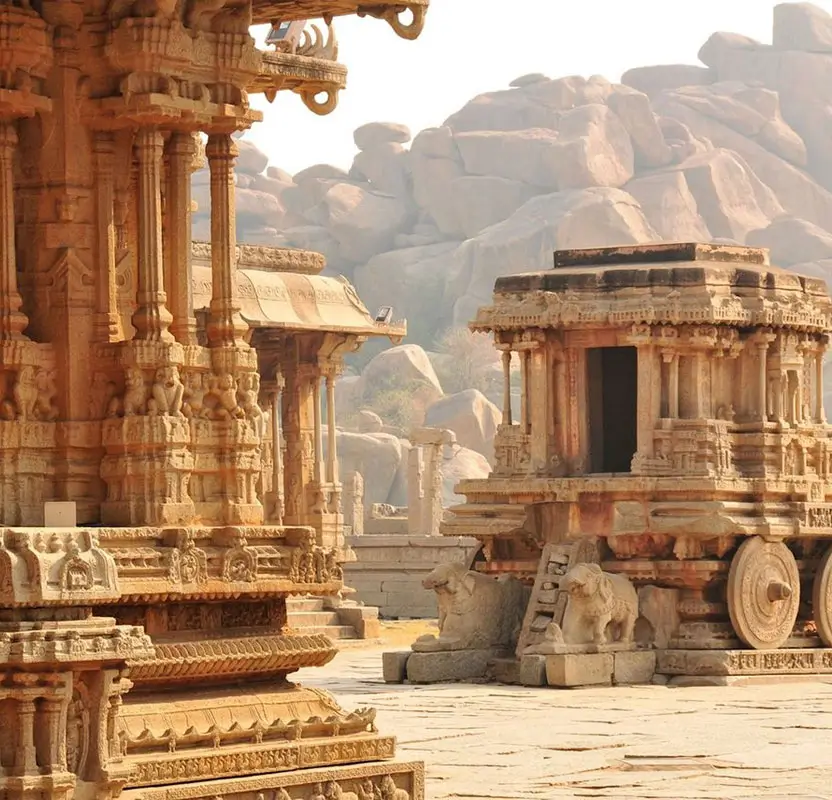
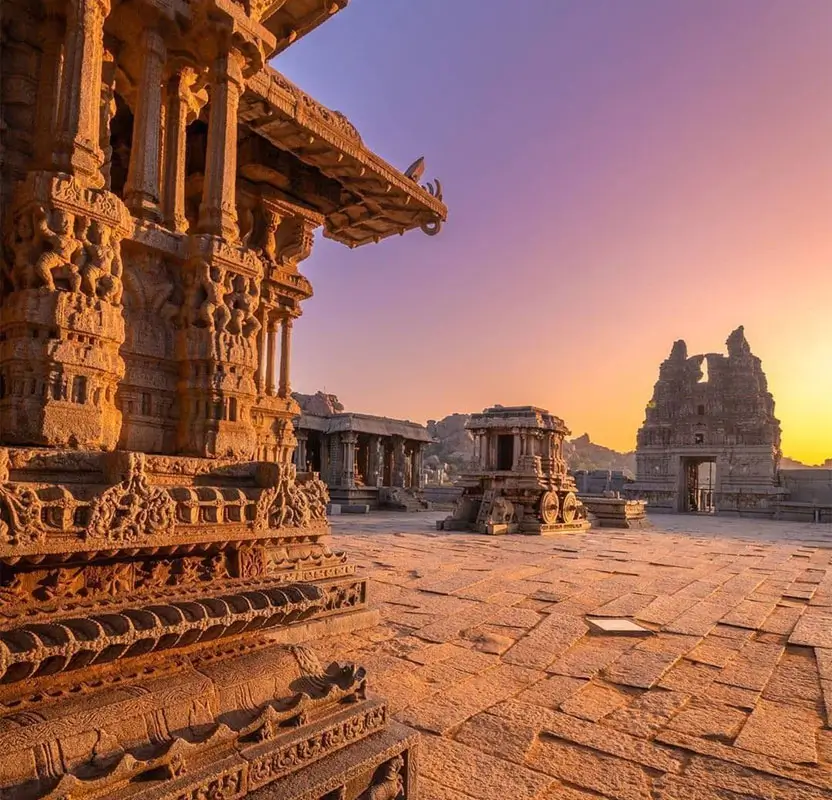
The morning starts with a detailed visit to the Vittala Temple, focusing on the iconic stone chariot and musical pillars. The guide explains advanced engineering techniques and ceremonial use of sound and space.
You then explore the Royal Enclosure, including the Lotus Mahal, Elephant Stables, and royal platforms used for festivals and public ceremonies. These structures reveal how ritual, governance, and military power were intertwined.
In the afternoon, you visit Hemakuta Hill, offering sweeping views over the Tungabhadra River and surrounding ruins. The evening is free for reflection or rest.
After breakfast, the morning is kept light with a final walk through lesser-visited temple ruins and village paths around Hampi. This slower pace allows time to absorb the scale and silence of the once-thriving capital.
Later, you are transferred by road to Bengaluru or Hubballi Airport for your onward domestic or international flight. Assistance is provided throughout the departure process.
The journey concludes having connected Mughal North India, Rajput Rajasthan, and the royal and imperial legacy of South India into one continuous historical narrative.
07 Nights / 08 Days

06 Nights / 07 Days
09 Nights / 10 Days
11 Nights / 12 Days
08 Nights / 09 Days
07 Nights / 08 Days

09 Nights / 10 Days
06 Nights / 07 Days
06 Nights / 07 Days