
Duration : 12 Nights / 13 Days
Place Covered : Delhi - Agra - Jaipur - Chennai
 Hotels
 Sightseeing
 Entry Tickets
 Meals
MealsIndia’s spiritual identity changes dramatically as one travels from the north to the south. This Golden Triangle Tour with Tamil Nadu Temples is designed to showcase that contrast clearly and meaningfully. The journey begins with Mughal and Rajput monuments of North India and gradually transitions into the deeply ritualistic, temple-centered culture of Tamil Nadu.
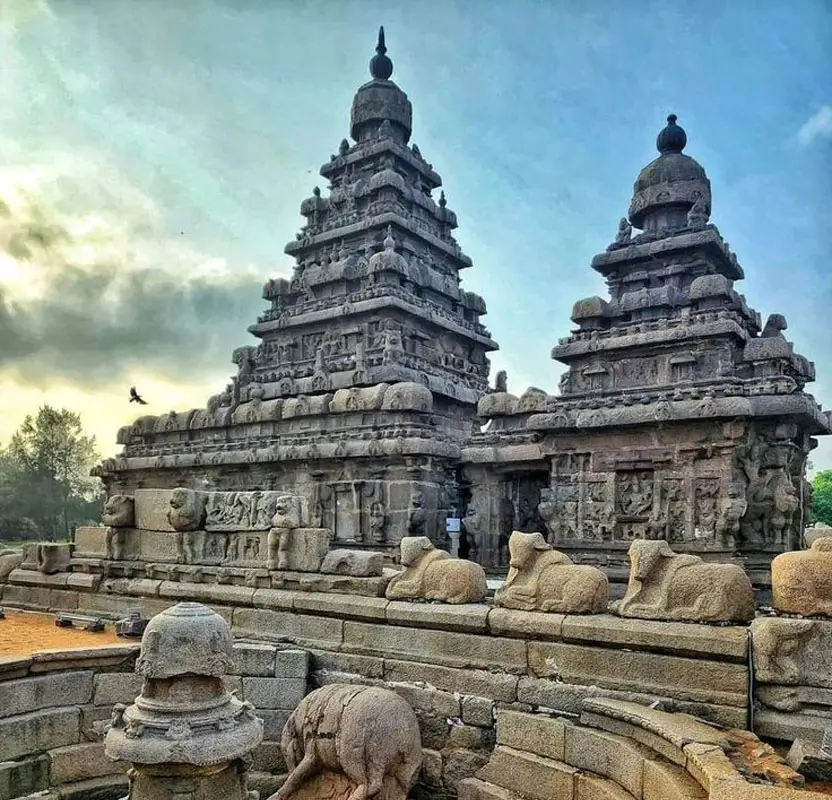
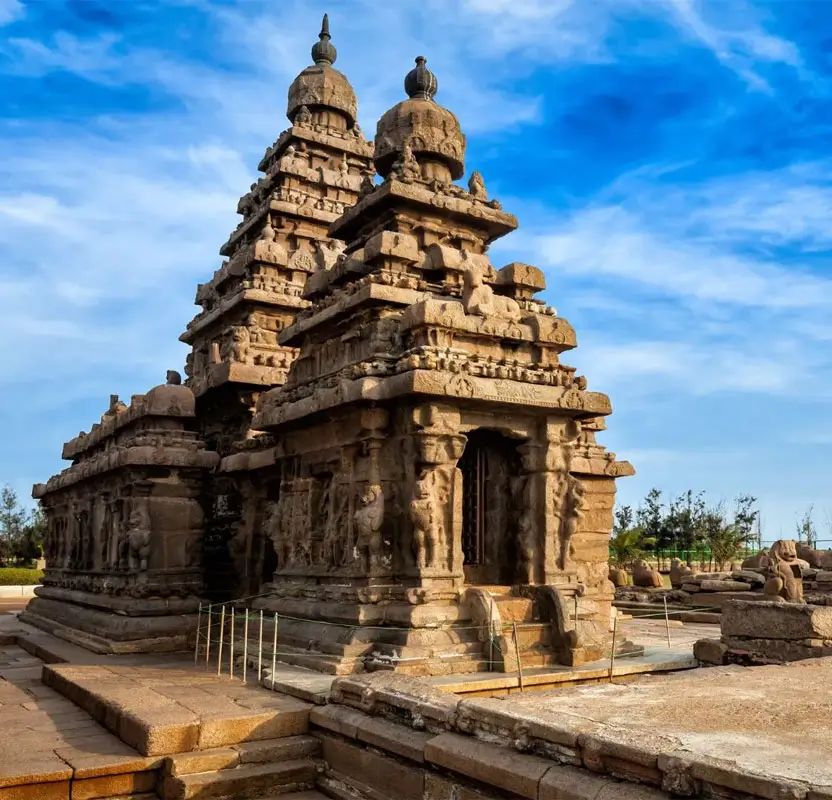
Tamil Nadu’s temples are not only places of worship; they are living institutions where architecture, music, sculpture, and daily rituals continue uninterrupted for centuries. The itinerary is designed to introduce these sacred spaces slowly, allowing travelers to understand symbolism, layout, and religious practice without feeling overwhelmed.
Covering Delhi, Agra, Jaipur, and the temple cities of Chennai, Madurai, and Thanjavur, this journey balances history, devotion, and architectural mastery.
Upon arrival in Delhi, you are met at the airport and transferred privately to your hotel. The drive through New Delhi introduces broad avenues, diplomatic zones, and colonial-era planning, offering a calm first impression of India’s capital. Check-in is smooth, allowing time to settle after long-haul travel.
The afternoon is kept completely free to recover from jet lag and adjust to climate and time differences. This rest period is essential before beginning intensive sightseeing in the coming days. Hotel facilities may be enjoyed at leisure.
In the evening, a short orientation drive around India Gate, Rashtrapati Bhavan, and Parliament House provides context for modern India’s administrative history. The day concludes early.
After breakfast, the day begins with a guided visit to Jama Masjid, one of the largest mosques in India. The guide explains Mughal architectural principles, courtyard symbolism, and the mosque’s role in Old Delhi’s spiritual life.
You then explore Chandni Chowk, where temple shrines, Jain establishments, and centuries-old markets coexist. The walk highlights how faith and commerce have always been intertwined in Indian cities.
In the afternoon, you visit Humayun’s Tomb, followed by a drive past India Gate and Lodhi Road. The evening is free for rest.
After breakfast, you depart Delhi for Agra by private vehicle. The journey is comfortable, with rest stops planned along modern highways.
Upon arrival, you check into your hotel and rest briefly. Later, you visit Agra Fort, where Mughal emperors combined political authority with religious expression. The guide explains how prayer spaces and royal apartments coexisted within the fort.
The evening remains free, allowing quiet rest after travel.
The morning begins with a guided visit to the Taj Mahal. Beyond its visual beauty, the guide explains Islamic symbolism, garden geometry, Quranic inscriptions, and spiritual intent behind the design.
After returning to the hotel for breakfast, the afternoon is kept light. Optional visits to Itmad-ud-Daulah’s Tomb provide additional insight into Mughal funerary traditions.
The evening is free for reflection or rest.
After breakfast, you travel toward Jaipur. En route, you stop at Fatehpur Sikri, the abandoned Mughal capital built around Sufi saint Sheikh Salim Chishti’s Dargah. The guide explains the relationship between kingship, faith, and pilgrimage.
The journey continues into Rajasthan’s arid landscape, signaling a cultural shift. Comfort breaks ensure relaxed travel.
By evening, you arrive in Jaipur and check into your hotel. No sightseeing is planned at night.
After breakfast, you visit Amber Fort, where Hindu temples, royal courts, and defensive structures coexist within the same complex. The guide explains Rajput worship practices and royal patronage of deities.
Later, you visit City Palace, including courtyards and museums that showcase ritual attire, ceremonial weapons, and royal religious traditions. A visit to Jantar Mantar highlights astronomical links to ritual calendars.
In the afternoon, you stop for photographs at Hawa Mahal. The evening is free.
After breakfast, you are transferred to Jaipur Airport for your flight to Chennai, the gateway to South India’s temple culture. Assistance is provided throughout the airport process.
Upon arrival in Chennai, you are transferred to your hotel. The city’s coastal setting, Dravidian temples, and Tamil cultural identity immediately contrast with North India’s environment.
The evening is kept free to rest and prepare for intensive temple exploration in the coming days.
After breakfast, you depart Chennai for Kanchipuram, one of the seven sacred cities of Hinduism. The drive passes through traditional Tamil countryside, where temple tanks, village shrines, and agrarian life form the backdrop of daily devotion. This journey introduces the architectural language of Dravidian temples before entering larger complexes.
Your first visit is to Ekambareswarar Temple, dedicated to Lord Shiva and associated with the earth element (Pancha Bhoota). The guide explains the symbolism of the sacred mango tree, temple courtyards, towering gopurams, and ritual circumambulation paths. Time is given to observe daily worship rather than rushing through corridors.
Later, you visit Kamakshi Amman Temple, one of South India’s most important Shakti temples. The guide explains goddess worship traditions, temple geometry, and priestly rituals unique to Tamil Nadu. By evening, you check into your hotel in Kanchipuram or Chennai outskirts for rest.
After breakfast, you transfer to the airport for your flight to Madurai, one of the oldest continuously inhabited cities in India. Upon arrival, you are transferred to your hotel located near the temple precincts, allowing easy access for evening rituals.
In the afternoon, your guide provides a cultural briefing on Madurai’s role as the heart of Tamil Shaivism. You walk through traditional streets designed around temple geometry, observing flower markets, oil lamps, bronze workshops, and devotional commerce that exists solely to serve temple life.
In the evening, you visit Meenakshi Amman Temple to witness the evening aarti and temple closing ceremony. The procession of deities, music, chanting, and lamps offers insight into living Hindu ritual rather than historical reconstruction.
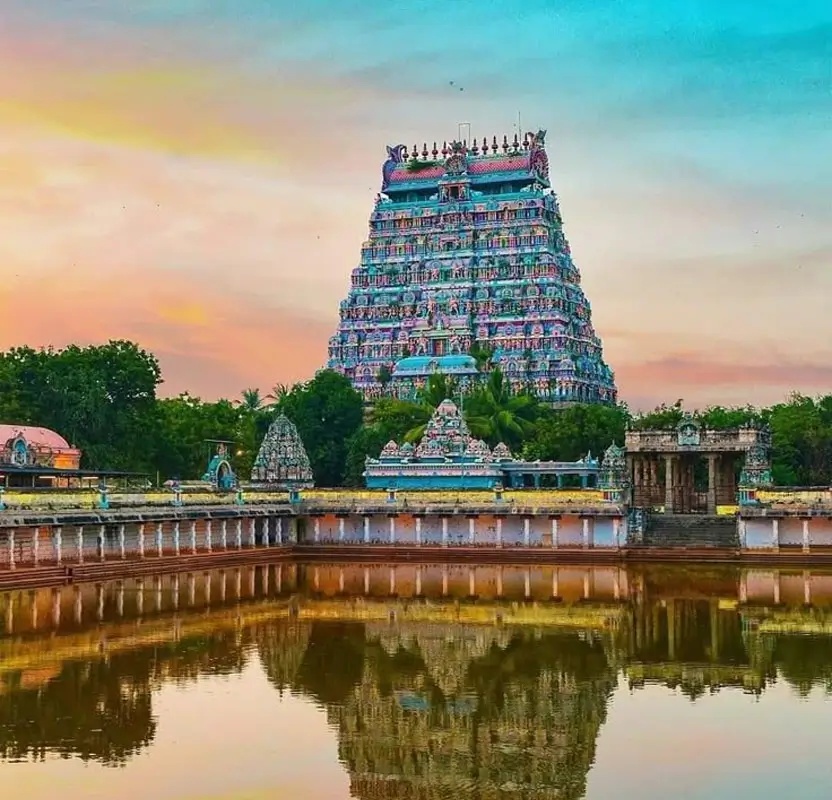
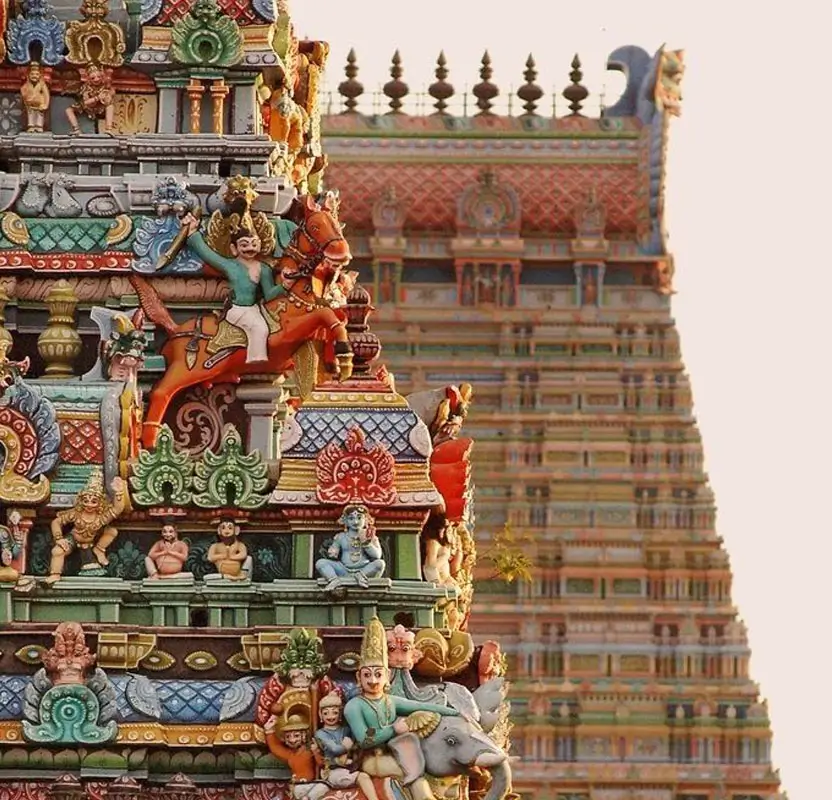
The morning begins early with a detailed guided exploration of Meenakshi Amman Temple when activity levels are calmer. You explore the Aayiram Kaal Mandapam (Hall of Thousand Pillars), sacred tanks, inner corridors, and towering gopurams covered with thousands of sculpted deities.
The guide explains temple cosmology, marriage symbolism of Meenakshi and Sundareshwarar, and how temple architecture reflects sacred geography. Time is given to observe devotees performing rituals, offering flowers, and participating in daily worship cycles.
In the afternoon, you visit Thirumalai Nayakkar Palace, learning how temple culture influenced royal architecture. The evening is free for rest or quiet reflection near the temple surroundings.
After breakfast, you drive to Rameswaram, one of the holiest Hindu pilgrimage destinations and part of the Char Dham circuit. The journey passes coastal plains and sacred water bodies associated with epic narratives.
Upon arrival, you visit Ramanathaswamy Temple, famous for having the longest temple corridor in the world. The guide explains purification rituals, sacred wells (theerthams), and their spiritual meaning in Hindu belief.
Time is allocated to understand ritual bathing sequences and pilgrim practices rather than rushing through architecture alone. The evening is calm, allowing rest near the sea.
After breakfast, you travel to Thanjavur, once the capital of the mighty Chola dynasty. The drive introduces fertile Cauvery delta landscapes and temple towns that flourished under royal patronage.
Upon arrival, you visit the UNESCO World Heritage Site Brihadeeswarar Temple. The guide explains how this 11th-century temple was built entirely of granite, its engineering precision, and the symbolic meaning of its massive vimana tower.
Later, you explore temple sculptures, inscriptions, and courtyards, learning how Chola kings merged religion, art, governance, and astronomy. The evening is free for rest.
After breakfast, you begin the return journey to Chennai by road or short flight, depending on preference. The drive allows reflection on the dramatic spiritual and architectural shift from North India’s monuments to South India’s living temple culture.
Upon arrival in Chennai, you are transferred to the airport for your onward international departure. Assistance is provided throughout the process to ensure a smooth conclusion.
The journey ends with a deeper understanding of India’s spiritual geography, temple architecture, and uninterrupted ritual traditions that continue to define daily life in Tamil Nadu.