
Duration : 13 Nights / 14 Days
Place Covered : Delhi - Agra - Jaipur - Leh Ladakh
 Hotels
 Sightseeing
 Entry Tickets
 Meals
MealsThis itinerary is created for travelers who see the world through a lens. The journey begins with India’s most photographed monuments in the Golden Triangle, where symmetry, geometry, and human movement create classic compositions. It then transitions into Ladakh, where scale, light, silence, and raw terrain define the photographic experience.
Unlike standard sightseeing tours, this photography-focused journey is paced around light conditions rather than clock time. Sunrise, sunset, shadow direction, and seasonal color shifts determine daily flow. Extra buffer time is built in to wait for clouds, weather changes, and natural moments.
Covering Delhi, Agra, Jaipur, and Leh Ladakh, this journey balances iconic landmarks with remote Himalayan landscapes captured at their most expressive moments.
Upon arrival in Delhi, you are met at the airport and transferred privately to your hotel. The drive through New Delhi offers immediate photographic opportunities with wide avenues, colonial architecture, and ceremonial spaces that reflect symmetry and scale. Even from the vehicle, the contrast between modern traffic and historic buildings provides compelling urban frames.
The afternoon is kept free to recover from long-haul travel. This downtime allows photographers to organize equipment, charge batteries, and acclimate mentally before active shooting begins. Optional short walks around the hotel area may be used for street photography if energy permits.
In the evening, a soft photo orientation drive around India Gate, Rashtrapati Bhavan, and Parliament House introduces night photography possibilities, including light trails, illuminated facades, and reflections.
After breakfast, the day begins early in Chandni Chowk, where narrow lanes, overhead wires, spice markets, and moving crowds create dynamic compositions. The guide helps position you at vantage points suitable for capturing motion blur, layered frames, and candid portraits.
Later, you visit Jama Masjid, photographing its grand courtyard, minarets, and prayer activity. The contrast between still architecture and moving worshippers offers powerful visual storytelling.
In the afternoon, you shift to Humayun’s Tomb, focusing on symmetry, arches, and reflection pools under softer light. The evening is free for reviewing images and rest.
After breakfast, you drive to Agra by private vehicle. En route landscapes offer rural photography opportunities, including fields, roadside scenes, and village life.
Upon arrival, you check into your hotel and rest briefly. Later, you visit Agra Fort, focusing on framing through windows, lattice screens, and river-facing balconies overlooking the Yamuna. Late afternoon light enhances textures and depth.
As dusk approaches, you photograph the Taj Mahal from a Mehtab Bagh viewpoint, capturing silhouettes and reflections across the river during blue hour. The evening concludes with image review and rest.
The day begins before sunrise with a guided entry to the Taj Mahal, timed precisely for first light. You focus on changing color tones, shadow movement, and crowd-free perspectives during early morning hours.
After returning to the hotel for breakfast, the afternoon is dedicated to close-up photography of marble inlay patterns, calligraphy, and craftsmanship at Itmad-ud-Daulah’s Tomb (Baby Taj). Macro and detail shots are encouraged.
The evening is kept free to recover, review images, and prepare for the next travel segment.
After breakfast, you depart for Jaipur, stopping at Fatehpur Sikri. The abandoned city provides dramatic compositions with empty courtyards, massive gateways, and repeating arches under open sky.
You photograph Buland Darwaza, palace ruins, and quiet corners where light and shadow dominate. Time is allocated to wait for human elements entering frames naturally rather than staging shots.
By evening, you arrive in Jaipur and check into your hotel. No shooting is scheduled at night, allowing rest.
After breakfast, you visit Amber Fort, focusing on hilltop perspectives, stairways, mirrored halls, and defensive walls. Morning light enhances textures and architectural layers.
Later, you move to City Palace, capturing royal courtyards, doorways, and museum details. The guide assists with timing and positioning to avoid crowds.
In the afternoon, you photograph Hawa Mahal, emphasizing its honeycomb façade and street-level perspectives. The evening is free.
After breakfast, you transfer to Jaipur Airport for your flight to Leh via Delhi. Window seats are recommended for aerial photography of Himalayan ranges as the plane descends into Ladakh.
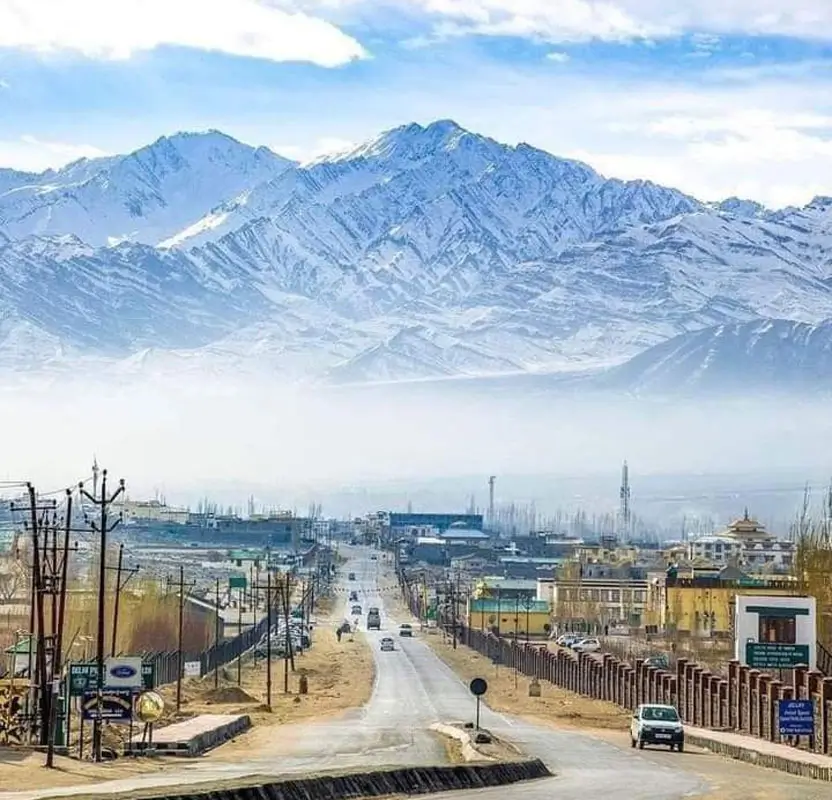
Upon arrival in Leh, you are transferred slowly to your hotel. Due to high altitude, the remainder of the day is reserved strictly for acclimatization. Walking and photography are kept minimal to ensure safety.
The evening is spent resting, hydrating, and preparing equipment for high-altitude shooting days ahead.
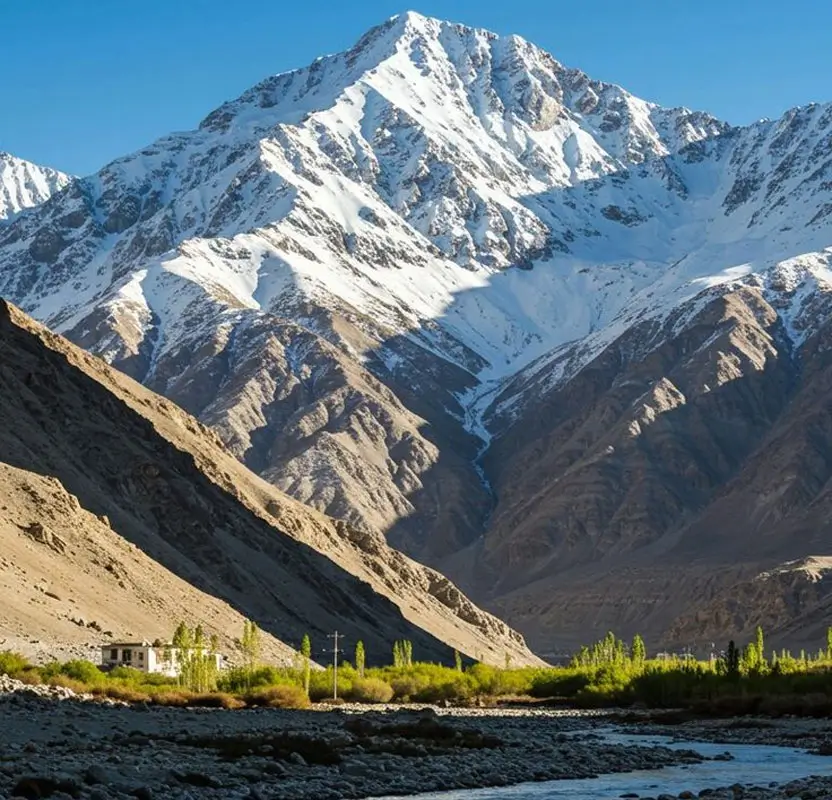
The day begins slowly to respect altitude. After breakfast, you visit Shey Palace, where early light creates long shadows across ancient walls and stupas. From elevated terraces, wide frames capture the Indus Valley with layered mountains receding into haze—ideal for depth and scale.
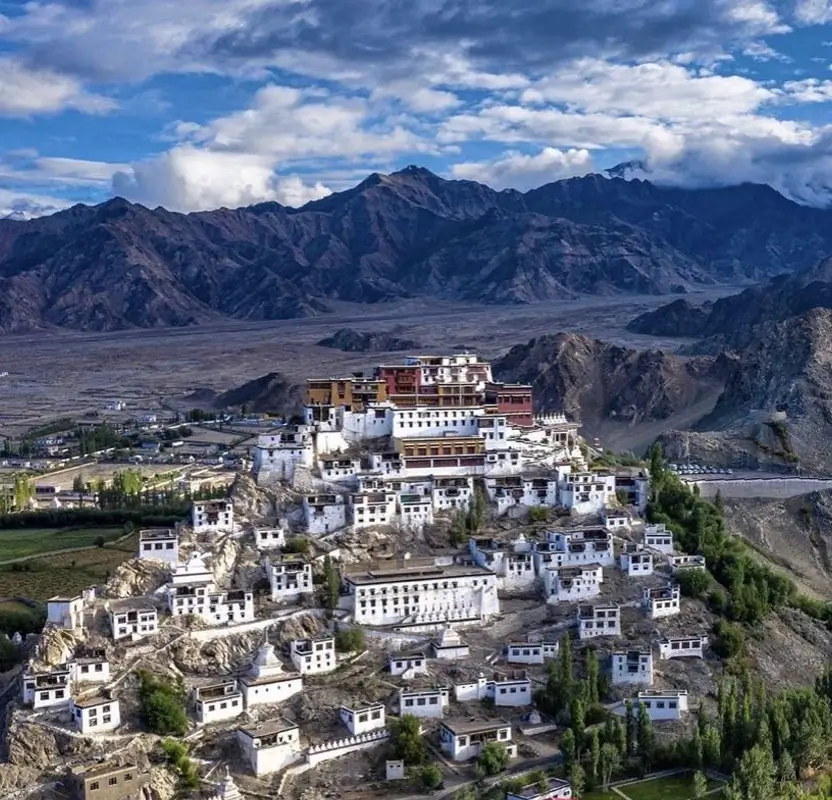
Later, you move to Thiksey Monastery, timed for mid-morning when light falls diagonally across the monastery’s stepped façade. You photograph prayer halls, statues, and monks moving between courtyards, focusing on rhythm, repetition, and human scale against architecture.
In the afternoon, you return toward town for a brief visit to Leh Palace. Sunset silhouettes from the palace viewpoint offer strong contrast shots of rooftops, prayer flags, and distant ridgelines. Evening is reserved for rest and image review.
After an early breakfast, you depart for Nubra Valley via Khardung La Pass. The ascent provides opportunities for wide-angle landscape frames, road leading lines, and atmospheric shots where clouds drift across peaks.
Descending into Nubra, the terrain transforms dramatically. You stop at Diskit Monastery, photographing the monumental Maitreya Buddha statue overlooking the valley. Midday light emphasizes textures on the statue and surrounding mountains.
In the late afternoon, you reach the Hunder Sand Dunes, where golden light highlights rippled sand against snow-capped backdrops. Portraits of Bactrian camels and minimalistic desert compositions dominate this session. Overnight in Nubra.
The day begins early to cover the long, remote route toward Pangong Lake. En route, you photograph river crossings, isolated hamlets, and vast plains where scale and emptiness become primary subjects.
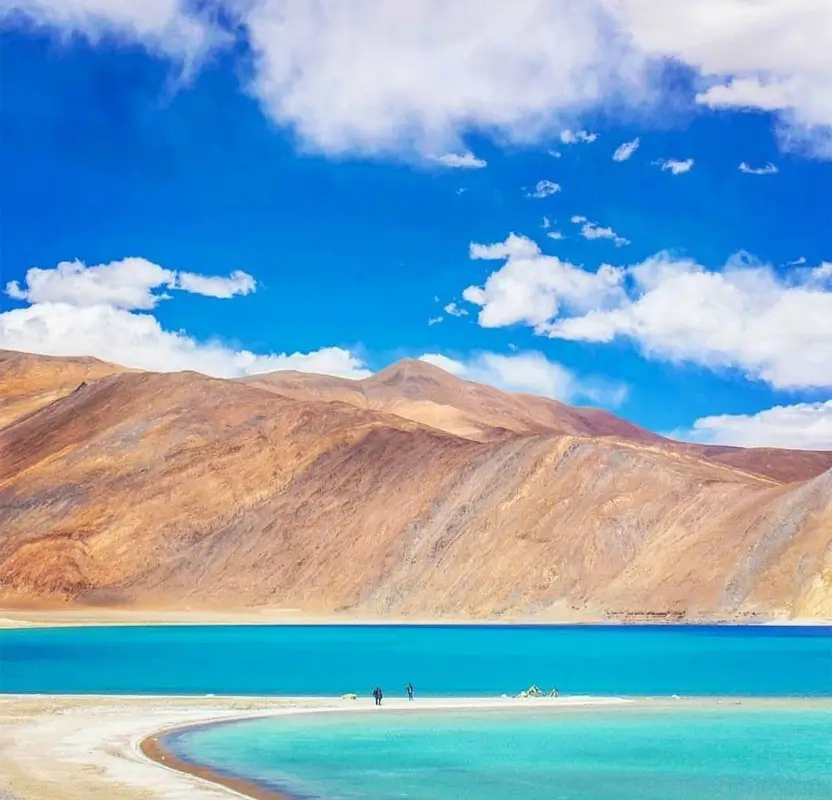
As you approach Pangong Lake, colors intensify. Afternoon light reveals the lake’s changing hues—teal, deep blue, and steel gray—depending on cloud cover. You compose shoreline reflections, mountain symmetry, and abstract patterns created by wind on water.
Before sunset, you set up for golden-hour and blue-hour shots along the lake’s edge. Silhouettes, long exposures, and minimal frames are prioritized. Overnight near the lake ensures access to early light.
Before sunrise, you photograph Pangong Lake in near silence. First light produces pastel tones and mirror-like reflections, ideal for wide panoramic compositions and quiet detail shots along the shore.
After breakfast, you begin the return drive to Leh via an alternate high-altitude route. Stops are planned for photographing Changthang Plateau scenes—grazing yaks, nomadic tents, and distant ridgelines under vast skies.
By evening, you arrive back in Leh. The night is kept light, allowing rest after consecutive field days.
After breakfast, you drive along the Indus River to Hemis Monastery, focusing on interior light, murals, prayer wheels, and candid monk portraits. Timing allows soft interior illumination and controlled contrast.
Later, you explore villages along the Indus Valley, photographing traditional Ladakhi homes, barley fields, and irrigation channels. Portrait sessions emphasize environmental context rather than posed shots.
The afternoon returns you to Leh for street and market photography in the old bazaar. Evening is free for editing and curation.
This day remains intentionally flexible. Depending on weather and creative needs, you may revisit favorite locations, focus on detail studies, or capture aerial perspectives from elevated viewpoints around Leh.
Optional sessions include prayer flag motion studies, night sky attempts (conditions permitting), or minimalist compositions emphasizing rock textures and negative space.
The evening is reserved for final image selection and discussion of post-processing approaches.
After breakfast, you transfer to Leh Airport for your flight to Delhi. Window seats are recommended for aerial photography of Himalayan ridgelines during descent.
Upon arrival in Delhi, assistance is provided for international or onward domestic connections. The journey concludes with a comprehensive photographic narrative—from India’s most iconic
monuments to the raw stillness of the high Himalayas.