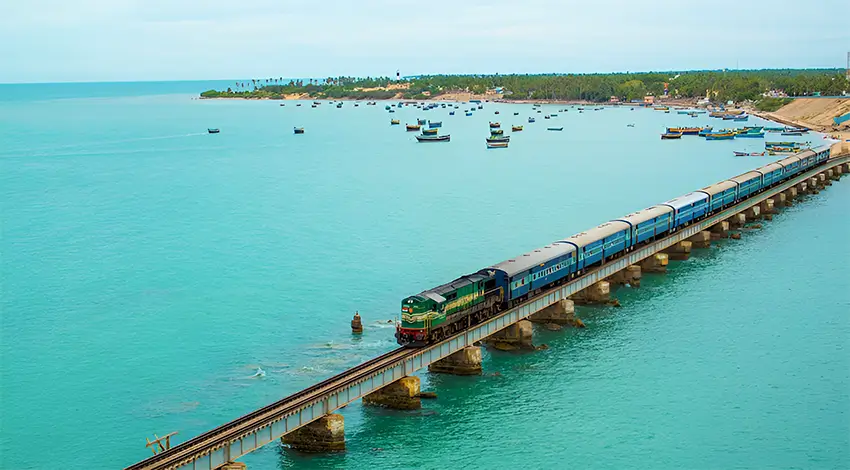
Train travel in India is not just a means of transportation; it is a window into the country’s scale, diversity, and rhythm of daily life. With one of the largest rail networks in the world, India connects major cities, historic towns, rural landscapes, and remote regions through an extensive and time-tested railway system. For travelers who value comfort, efficiency, and cultural depth, trains remain one of the most practical ways to move across the country.
Unlike short domestic flights that often feel rushed and impersonal, train journeys in India allow travelers to experience the gradual transition of landscapes, languages, and lifestyles. From arid deserts and fertile plains to coastal stretches and forested interiors, the journey itself becomes part of the travel experience. This is especially true on longer routes where overnight trains provide both transportation and accommodation in a single, seamless journey.
For international travelers, train travel in India can initially appear complex. Ticket categories, seat classes, booking windows, and terminology are unfamiliar to first-time visitors. However, once understood, the system offers reliable comfort, reserved seating, and excellent value—particularly in air-conditioned and premium classes. When planned correctly, train travel can be both relaxing and efficient, even on journeys spanning hundreds of miles.
Safety is another factor that often concerns travelers. While images of overcrowded trains may circulate online, these do not represent the experience of reserved long-distance travel. Most intercity and overnight trains operate with assigned seats or berths, onboard staff, and security presence. Choosing the right train class and route makes a significant difference, especially for couples, families, and senior travelers.
Train travel also plays an important role in well-designed luxury itineraries across India. Carefully selected routes allow travelers to avoid long road journeys while maintaining comfort and privacy. Premium train classes and luxury tourist trains further elevate the experience, offering private cabins, attentive service, and refined dining. When combined with private transfers, expert guides, and high-end accommodations, trains integrate smoothly into sophisticated travel plans.
In recent years, train travel in India has continued to modernize. Improved onboard services, cleaner coaches, better station facilities, and digital ticketing systems have made the experience more approachable for international visitors. While the network remains vast and complex, thoughtful planning transforms it into a powerful travel asset rather than a logistical challenge.
Understanding how train travel fits into an Indian journey is the first step toward using it effectively. The right choices - train type, class, route, and timing - determine whether the experience feels overwhelming or effortless. With the correct approach, trains become one of the most comfortable and culturally rich ways to explore India.
Selecting the correct train class is the single most important decision when planning train travel in India. The experience can range from refined and private to crowded and basic, depending entirely on this choice. Understanding how each class functions in real conditions - not just in theory - helps travelers avoid discomfort and ensures the journey aligns with their expectations.
Indian Railways offers multiple classes across long-distance and short-distance routes. While all classes operate on the same tracks, the onboard environment differs significantly in terms of space, privacy, cleanliness, and overall comfort.
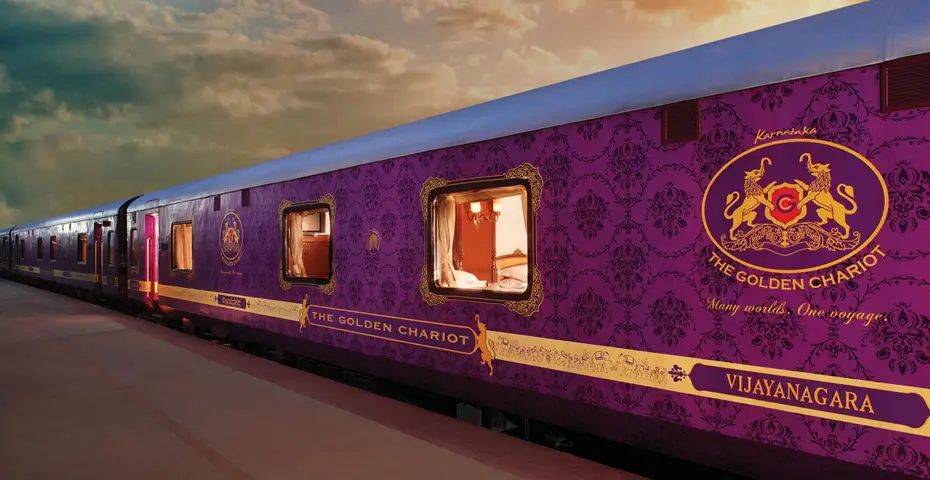
First Class AC is the most exclusive option on regular Indian trains. Coaches are divided into lockable cabins with either two or four berths, creating a private environment similar to a compact hotel room on wheels. Bedding is provided, temperatures are controlled, and an attendant is typically assigned to the coach.
This class is best suited for couples, families, and travelers who value privacy above all else. Noise levels are low, luggage storage is adequate, and washrooms are generally better maintained than other classes. Because 1AC cabins are limited, tickets can be difficult to secure on popular routes, and advance planning is essential.
For travelers combining train journeys with private tours and luxury hotels, First Class AC maintains continuity in comfort and discretion.
Experience India’s iconic train journeys with first-class comfort, luxury trains, private assistance, and seamless ticket planning — all tailored for you.
Luxury Trains | Private Support | Stress-Free Travel
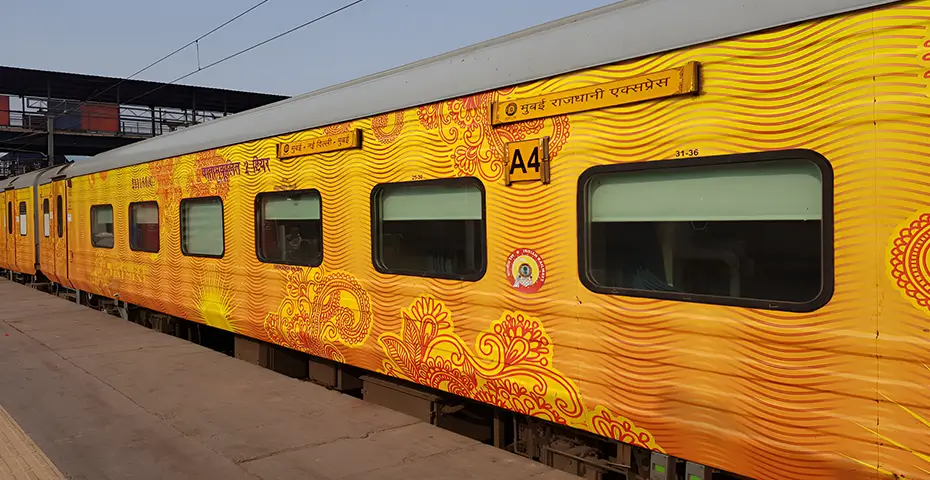
Second Class AC is one of the most popular choices among experienced international travelers. It offers open compartments with four berths each, separated by curtains rather than doors. While not fully private, the environment remains quiet, organized, and comfortable.
Bedding is included, reading lights are available, and power outlets are typically shared within each compartment. Washrooms are generally clean, though conditions vary depending on route length and passenger volume. Temperatures can fluctuate, so light layers are recommended.
2AC works well for solo travelers, couples, and families who want comfort without the limited availability or higher cost of First Class. On many routes, it offers the best balance between price, comfort, and reliability.
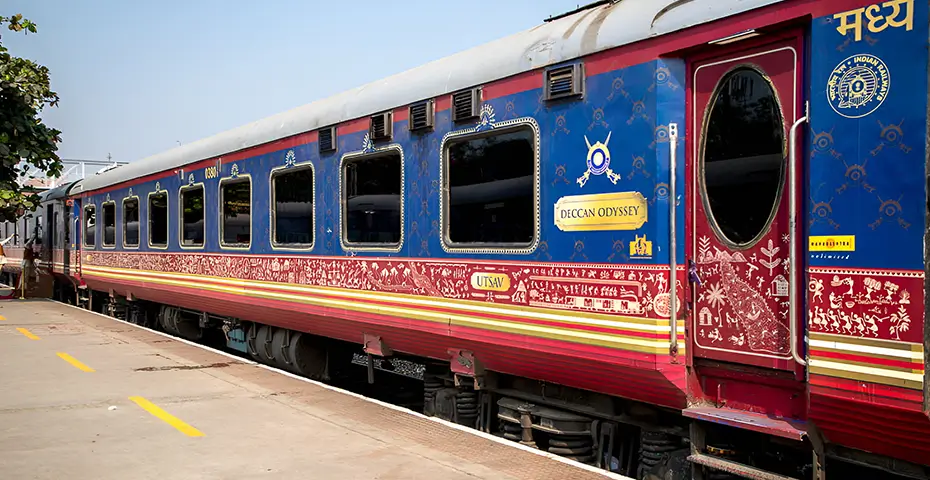
Third Class AC is the most widely used air-conditioned class in India. Coaches are more crowded, with six berths per compartment, and privacy is limited. However, seats and berths are assigned, bedding is provided, and the coach remains climate-controlled.
This class is suitable for travelers who want a reserved, air-conditioned experience but are comfortable sharing space with other passengers. It is often used on overnight routes and provides good value for long distances. That said, noise levels can be higher, and washroom cleanliness varies more than in higher classes.
For travelers on well-planned itineraries, 3AC can work effectively when paired with shorter overnight journeys and private transfers at either end.
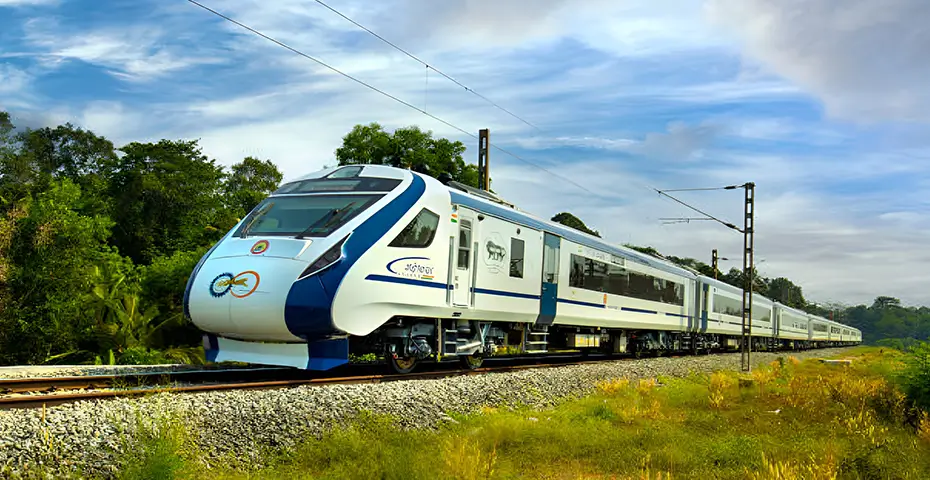
AC Chair Car coaches are designed for shorter, daytime routes. Seating is arranged in rows similar to airline cabins, making this class ideal for journeys lasting three to six hours. Coaches are air-conditioned, seating is reserved, and washrooms are generally well maintained.
This class is frequently used on business routes between major cities and is well suited for travelers who prefer daytime movement without overnight travel. For comfort-focused itineraries, AC Chair Car offers a clean and predictable experience.
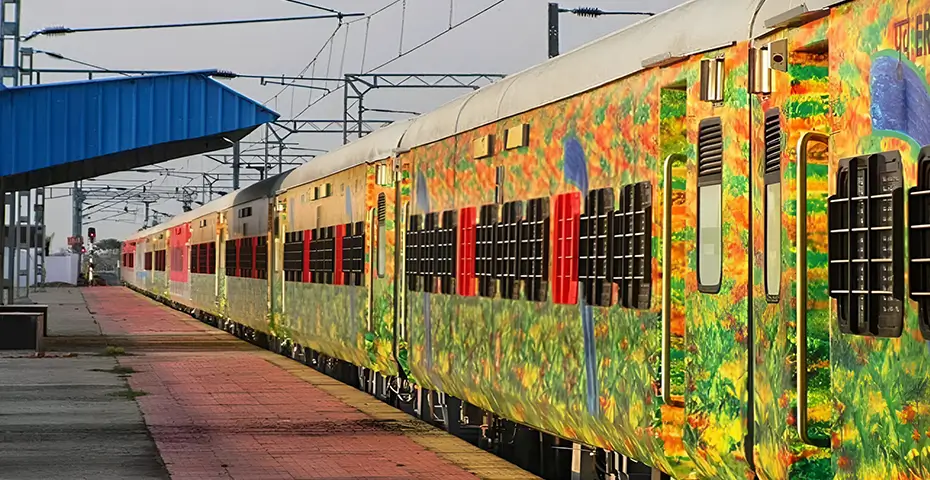
Non-air-conditioned sleeper and unreserved coaches are primarily used by local commuters and budget travelers. While culturally immersive, these classes involve crowded conditions, limited cleanliness, and minimal comfort.
For international visitors—particularly first-time travelers, families, or senior guests—these classes are not recommended. They do not align with comfort-oriented or luxury travel standards and can quickly become overwhelming.
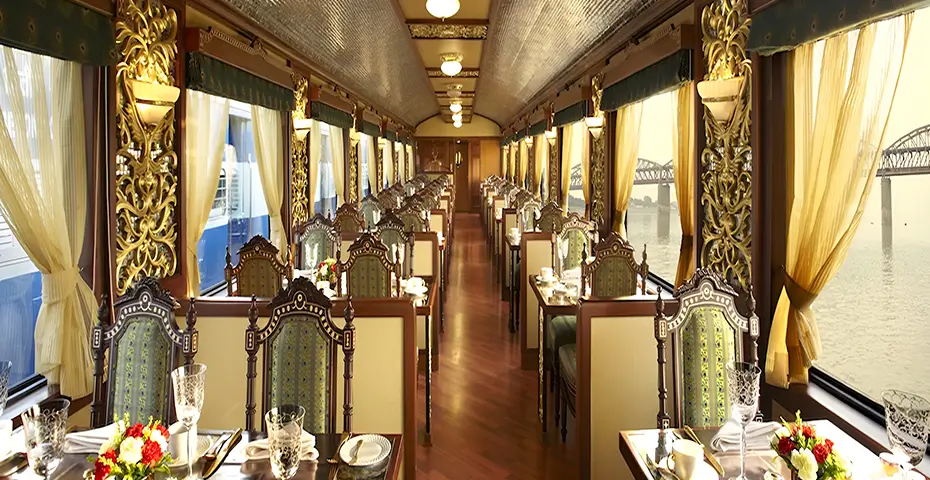
Beyond regular train classes, India also offers dedicated luxury tourist trains designed exclusively for travel experiences rather than transportation alone. These trains operate on curated routes and include private suites, onboard dining, guided excursions, and attentive service throughout the journey.
Luxury tourist trains function more like moving hotels and are best suited for travelers seeking a fully structured, premium rail experience. They integrate seamlessly into high-end itineraries and eliminate the logistical complexities of independent train travel.
The ideal train class depends on journey length, time of travel, personal comfort expectations, and itinerary design. Overnight journeys benefit from higher classes with better sleep quality, while daytime routes prioritize seating comfort and efficiency.
When train travel is integrated into thoughtfully planned private tours—often coordinated alongside hotels, guides, and transfers—the experience becomes smooth and predictable rather than uncertain.
Understanding these distinctions allows travelers to use India’s rail network with confidence, turning what appears complex into one of the most rewarding ways to move through the country.
Not sure which train class to choose or how booking works in India? Our travel experts help you plan safe, comfortable, and scenic train journeys across India with full support.
Trusted by Global Travelers | English-Speaking Support | Custom Travel Plans
Train travel in India works best when it is intentional. The country’s rail network is vast, efficient, and deeply woven into everyday life—but comfort and reliability depend on choosing the right routes, booking correctly, and understanding where trains genuinely enhance a luxury or private journey.
This section breaks down how experienced travelers and planners use Indian trains strategically rather than impulsively.
Not every route delivers the same experience. Some corridors are exceptionally reliable, scenic, and well-serviced, making them ideal for travelers seeking comfort and predictability.
Popular premium-friendly routes include Delhi to Agra for short daytime journeys, Delhi to Jaipur for overnight or early-morning travel, Mumbai to Udaipur via overnight trains, and Delhi to Varanasi for culturally immersive night routes. Southern routes such as Kochi to Trivandrum and Bangalore to Mysuru are also excellent for daytime chair-car travel.
These routes typically feature newer coaches, better punctuality, and consistent onboard standards. When paired with private transfers on arrival, they fit seamlessly into luxury itineraries without causing fatigue or disruption.
Timing is often more important than distance. Overnight trains departing between 7:00 PM and 10:30 PM and arriving early morning offer the best experience. Travelers board comfortably, sleep through the journey, and arrive refreshed without losing sightseeing hours.
Early-morning departures and late-night arrivals should generally be avoided unless planned carefully, as station congestion and fatigue can impact the experience. Trains that originate at the departure station—rather than passing through—also tend to be cleaner and more punctual.
Indian train bookings follow a structured system managed through IRCTC. Tickets typically open 120 days before departure and sell quickly on high-demand routes.
Confirmed tickets are critical. Travelers should avoid waitlisted tickets entirely, as boarding is not guaranteed unless the status upgrades before departure. Reservation Against Cancellation tickets allow boarding but may involve seat sharing, which is unsuitable for comfort-focused travel.
Foreign travelers can also use a dedicated tourist quota on select routes, offering access to seats even when general inventory is sold out. This option is best handled by experienced travel planners who monitor availability and manage payment protocols efficiently.
While independent booking is possible, luxury travelers benefit significantly from professional coordination. A planner ensures the correct class selection, monitors booking windows, verifies confirmation status, and aligns train travel with hotel check-ins, private guides, and vehicle transfers.
This eliminates the uncertainty often associated with Indian trains and transforms rail travel into a controlled, enjoyable experience rather than a logistical challenge.
For travelers who want rail journeys to be the highlight—not just transportation—India offers world-class luxury tourist trains. These trains operate on curated itineraries and provide a hotel-level experience throughout the journey.
The Palace on Wheels is known for its regal interiors and Rajasthan-focused routes. The Maharajas’ Express is widely regarded as one of the finest luxury trains globally, offering private suites, onboard fine dining, and guided excursions with concierge service.
Other notable options include the Deccan Odyssey, which explores western and central India, and the Golden Chariot, ideal for southern cultural circuits.
These trains are best suited for travelers who prefer an all-inclusive journey where accommodation, transport, sightseeing, and dining are seamlessly integrated.
In high-end itineraries, trains are used selectively—not for every transfer, but where they add value. A well-chosen overnight train replaces a short flight, reduces airport stress, and offers a more immersive sense of travel.
When combined with private drivers, premium hotels, and curated experiences, train travel enhances the rhythm of the journey rather than interrupting it. The key is moderation and precision—using trains where they make sense and avoiding them where they don’t.
Train travel in India is neither chaotic nor uncomfortable when approached correctly. With the right routes, classes, timing, and planning support, it becomes one of the most efficient and rewarding ways to move through the country.
For travelers who value comfort, safety, and authenticity, Indian trains - especially when professionally coordinated - offer a rare blend of practicality and cultural depth that few other countries can match.