Jaipur is one of the few cities in the world where royal heritage is not confined to museums but continues to exist through lived spaces. Staying at the top heritage hotels in Jaipur for luxury & royal stay allows travelers to step into a world shaped by dynasties, aristocratic traditions, and architectural brilliance. These hotels are not designed to imitate royalty; they are original palaces and noble residences where history continues to breathe.
A heritage stay in Jaipur offers something modern luxury hotels cannot replicate - emotional depth. The silence of courtyards once used for royal processions, the scale of halls built for ceremonial gatherings, and the intimacy of chambers designed for private life create an atmosphere of understated grandeur. Every space tells a story, and every stay becomes an experience rather than accommodation.
Luxury travelers choose Jaipur’s heritage hotels because they combine authenticity with comfort. These properties preserve original architecture while offering contemporary amenities with sensitivity. Privacy, space, and personalized service define the experience, making heritage hotels an essential part of luxury travel in Rajasthan.
Each heritage hotel in Jaipur offers a different interpretation of royal living. Some provide the scale and ceremony of a grand palace, while others offer the intimacy of a family-owned haveli. The following comparison can help travelers select a property based on location, atmosphere, and travel style.
|
Itinerary |
Duration |
Suggested Vehicle |
Estimated Vehicle Budget |
| Delhi–Agra–Jaipur | 5–6 days | Sedan | ₹25,000–₹35,000 |
| Delhi–Agra–Jaipur | 5–6 days | Innova | ₹35,000–₹48,000 |
| Jaipur–Jodhpur–Udaipur | 7–8 days | Innova | ₹48,000–₹65,000 |
| Rajasthan circuit | 10–12 days | Innova | ₹70,000–₹95,000 |
| Kerala road journey | 7–9 days | Premium sedan or Innova | ₹45,000–₹70,000 |
The architectural identity of Jaipur’s heritage hotels reflects Rajput pride, Mughal elegance, and European influences introduced during later periods. Heritage hotels in Jaipur showcase carved sandstone façades, fresco-painted walls, marble floors, and symmetrical courtyards designed for both function and beauty.
Staying within such architecture changes the rhythm of travel. Mornings feel quieter, afternoons more reflective, and evenings ceremonial. The environment naturally slows time, encouraging travelers to absorb details rather than rush experiences.Luxury within these spaces is expressed through proportion and balance. High ceilings create openness, while enclosed courtyards provide privacy. Gardens soften the geometry of stone, and water features enhance calm. This architectural harmony defines the appeal of Jaipur’s heritage hotels.
Experience the grandeur of Jaipur's finest heritage hotels with a tailor-made luxury itinerary. Let our travel experts help you choose the perfect palace or haveli, arrange private transfers, guided sightseeing, and exclusive experiences for an unforgettable royal vacation.
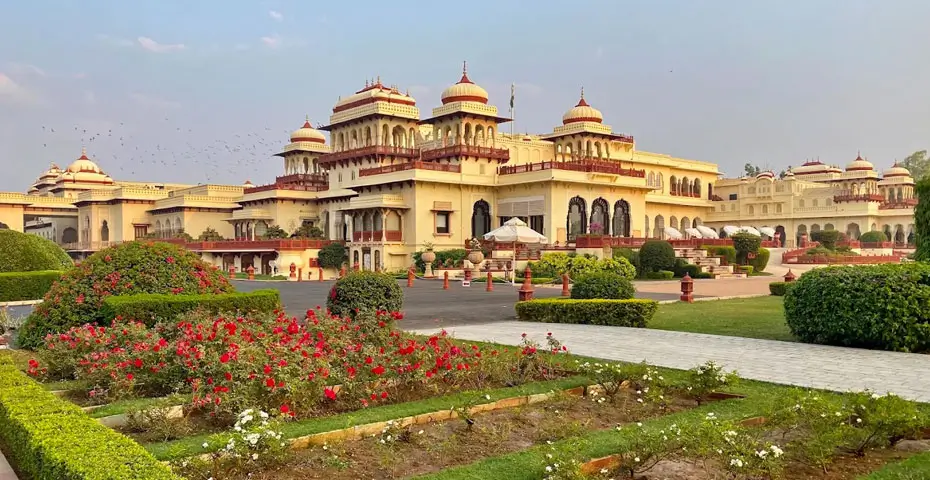
Among the top heritage hotels in Jaipur, Rambagh Palace stands as an enduring symbol of royal life. Once the residence of the Maharaja of Jaipur, this palace reflects grandeur through its expansive gardens, ceremonial halls, and refined interiors.
Staying at Rambagh Palace allows travelers to experience royal hospitality at its highest level. Suites preserve original character while offering discreet modern comforts. Dining spaces echo with formality, yet service remains warm and personal.
The palace grounds create a sense of seclusion despite being within the city. For luxury travelers seeking an uncompromised royal experience, Rambagh Palace defines the standard.
Best Suited For
Rambagh Palace is best suited to honeymooners, luxury travelers, anniversary trips, and guests celebrating an important occasion. Its central location allows convenient access to Jaipur’s important landmarks while maintaining the privacy and calm expected from a palace hotel.
Travelers should reserve at least two or three nights to fully experience the property rather than treating it only as accommodation. Time can be set aside for palace dining, afternoon tea, wellness treatments, garden walks, and the hotel’s curated experiences. The palace dates to 1835 and now offers 78 restored rooms and suites.
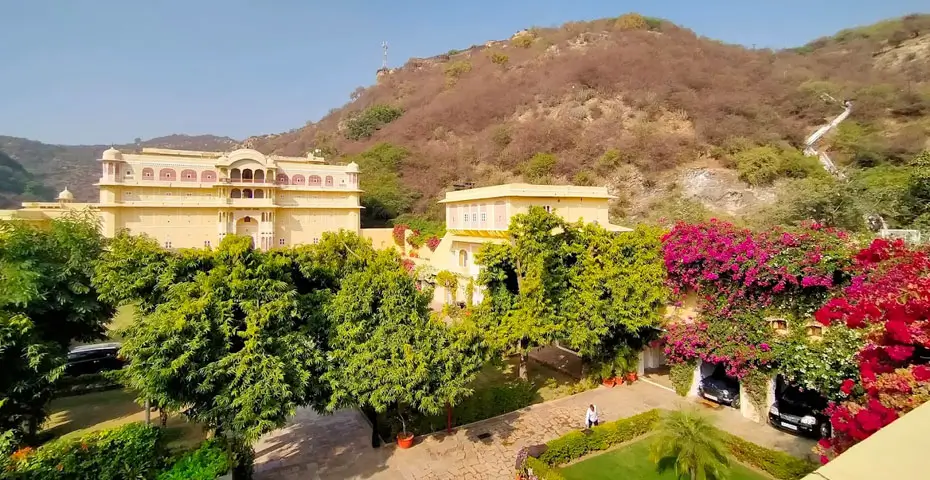
Samode Palace represents aristocratic refinement rather than imperial scale. Located outside the city, this palace blends Mughal and Rajput styles with intimate luxury. Frescoed walls, mirrored halls, and panoramic terraces define its charm.
Samode Palace appeals to travelers who value exclusivity and atmosphere. The setting feels secluded, allowing guests to disconnect while remaining connected to Rajasthan’s heritage. Courtyards and terraces encourage quiet moments, while interiors showcase artistic detail.
As one of the best heritage hotels near Jaipur, Samode Palace offers a balance between royal history and relaxed luxury.
Best Suited For
Samode Palace is ideal for couples, private celebrations, destination weddings, and travelers seeking a quiet retreat outside Jaipur. Since the palace is located approximately 45 kilometers from the city, guests should consider spending at least two nights rather than using it only as a base for daily Jaipur sightseeing.
A stay can be combined with village walks, local craft experiences, palace dining, and time at the pool or spa. Its hand-painted murals, Sheesh Mahal, terraces, and courtyards make the property particularly appealing to architecture and photography enthusiasts.
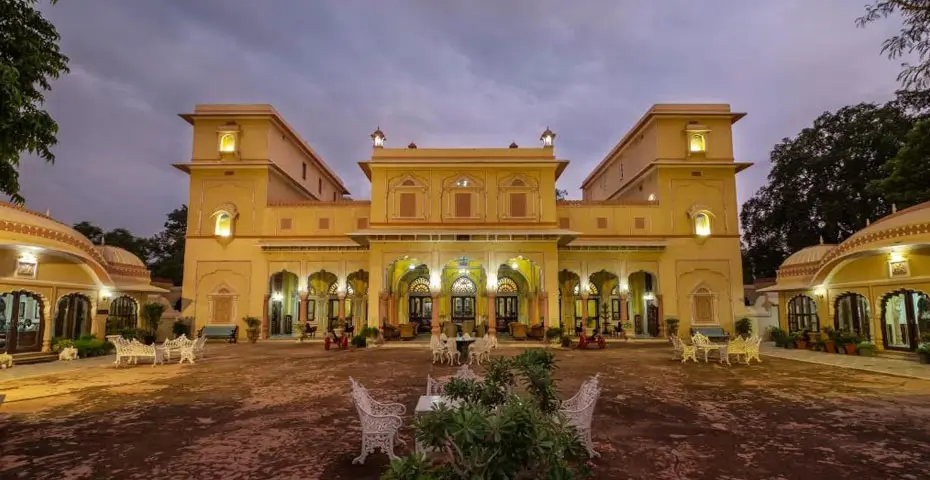
Narain Niwas Palace reflects Jaipur’s transition from royal residence to cultural space. Originally built as a retreat for nobility, the palace now offers a heritage stay infused with creativity and charm.
Rooms retain original architectural elements, while public spaces host artistic expressions and curated experiences. The palace gardens provide calm within the city, making it ideal for travelers who appreciate heritage blended with cultural vibrancy.
Narain Niwas Palace stands apart among heritage hotels in Jaipur for its artistic soul and intimate scale.
Best Suited For
Narain Niwas Palace is an excellent choice for travelers interested in Jaipur’s contemporary art, design, dining, textiles, and shopping scene. Its garden setting provides relief from the activity of the city while keeping major attractions reasonably accessible.
The palace was built in 1928 by General Amar Singh of Kanota and began welcoming travelers in 1978. Today, its combination of historic interiors, gardens, dining spaces, boutiques, and cultural atmosphere makes it suitable for both first-time and repeat visitors to Jaipur.
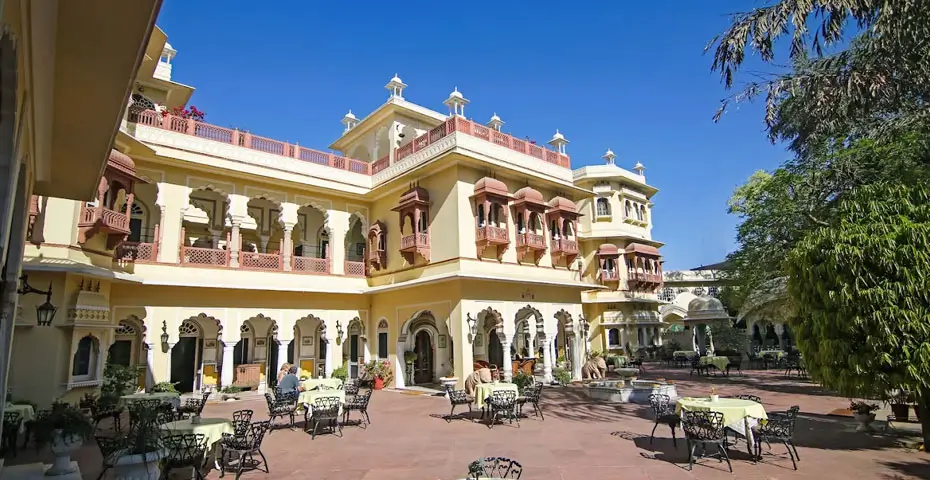
Alsisar Haveli offers an immersive experience within Jaipur’s old city. This noble residence preserves traditional haveli architecture with courtyards, jharokhas, and painted ceilings.
The haveli’s atmosphere feels personal and authentic. Rooms are individually styled, reflecting family heritage rather than hotel uniformity. Public spaces encourage quiet reflection, and service remains attentive without formality.
Alsisar Haveli is favored by travelers who want heritage intimacy rather than palace grandeur. It represents a deeply rooted heritage haveli hotel in Jaipur.
Best Suited For
Alsisar Haveli is suitable for travelers who prefer an atmospheric boutique stay over the formality of a large palace hotel. Its traditional courtyards, painted interiors, and individually designed rooms provide a strong sense of place.
The central location makes it practical for travelers planning to explore the City Palace, Jantar Mantar, Hawa Mahal, local bazaars, and Jaipur’s craft workshops. A two or three-night stay gives guests enough time to balance sightseeing with quiet evenings inside the haveli.
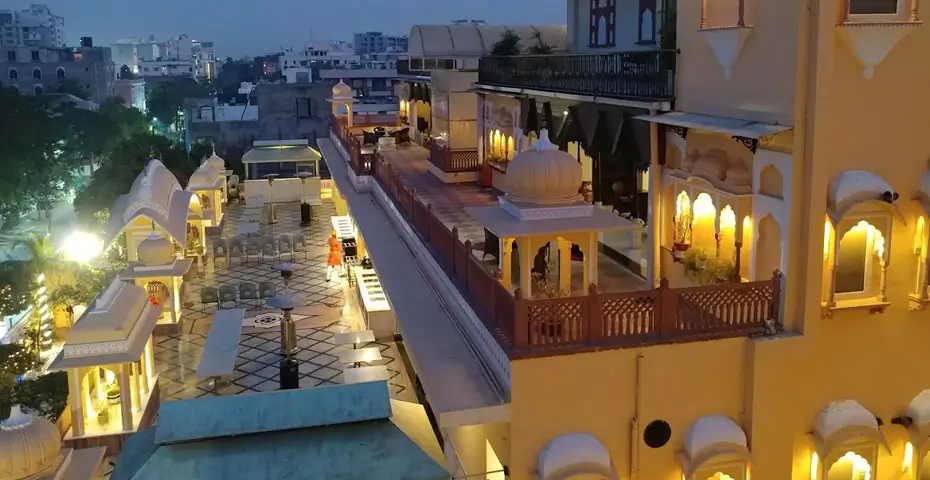
Shahpura House reflects a later phase of Jaipur’s aristocratic architecture, blending Rajput and colonial influences. Once the residence of a noble family, the property retains its dignified character.
Interiors showcase vintage furniture, high ceilings, and period details. The atmosphere feels stately yet welcoming. Courtyards and lounges provide spaces for relaxation, while rooms maintain individuality.
Shahpura House appeals to travelers seeking a refined heritage experience without excessive scale, making it a notable name among Jaipur’s heritage hotels.
Best Suited For
Shahpura House works well for couples, families, and travelers seeking an elegant heritage property in a convenient city location. Compared with Jaipur’s grand palace hotels, it offers a more approachable and intimate environment.Its Bani Park location provides relatively easy access to the railway station, Walled City, restaurants, and shopping areas. Travelers who plan full days of sightseeing but still want a distinctive royal residence to return to may find this property particularly suitable.
From iconic palace hotels to charming heritage havelis, we'll match you with the perfect stay based on your travel style and budget. Enjoy personalized recommendations, exclusive hotel deals, and a seamless luxury travel experience across Rajasthan.
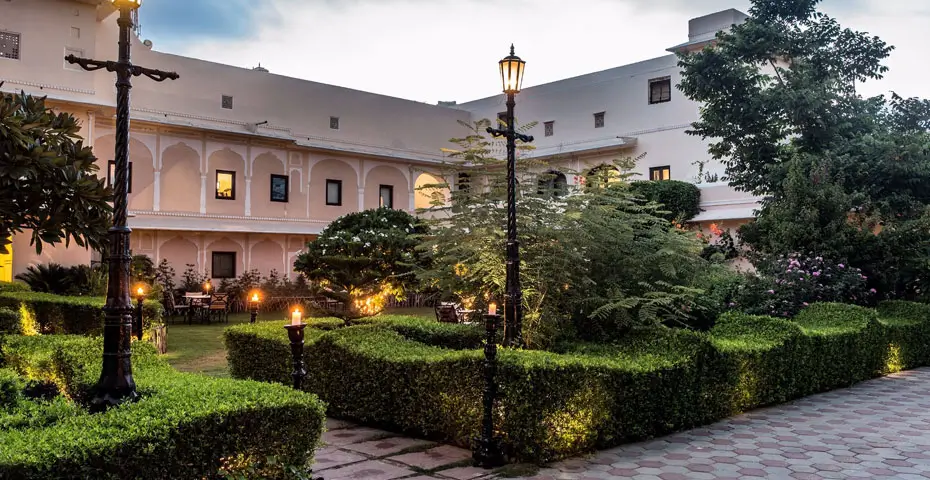
Royal Heritage Haveli offers a private and exclusive heritage stay. Originally built as a hunting lodge for Jaipur’s royal family, it has been restored into a boutique heritage hotel.
The property emphasizes privacy and tranquility. Suites open onto gardens, and service focuses on discretion. The haveli’s design balances heritage character with modern comfort seamlessly.
For luxury travelers who prefer understated elegance, Royal Heritage Haveli delivers a refined experience within the heritage hotel category.
Best Suited For
Royal Heritage Haveli is particularly suitable for honeymooners, wellness travelers, and guests who prioritize privacy over proximity to the busiest tourist areas. Its limited number of suites and garden-centered layout create a boutique resort atmosphere.
The haveli was originally commissioned in the 18th century as a royal hunting lodge and has since been restored as a luxury retreat. Its spa, landscaped grounds, open-air dining, and peaceful surroundings make it a strong choice for a slow and restorative Jaipur stay.
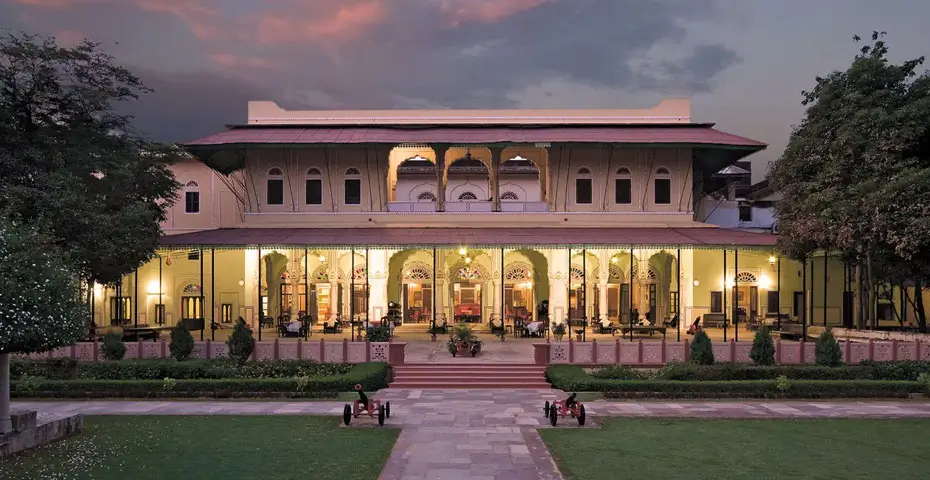
Castle Kanota provides a heritage experience shaped by continuity. Still owned by the noble family, the property retains original artifacts, photographs, and furnishings that preserve family history.
Staying at Castle Kanota feels like entering a private world. The atmosphere is residential rather than commercial. Guests engage with history organically through surroundings rather than curated displays.
Castle Kanota is ideal for travelers who value authenticity and family heritage over luxury branding.
Best Suited For
Castle Kanota is ideal for history enthusiasts, writers, photographers, and travelers interested in family heritage. Located outside central Jaipur on the Jaipur-Agra road, it can also be incorporated into an itinerary connecting Jaipur with Abhaneri, Bharatpur, or Agra.
The estate was founded in the 19th century and continues to preserve historic collections, family records, photographs, manuscripts, and traditional recipes. Today, it operates as Storii Castle Kanota while retaining its family connection and lived heritage.
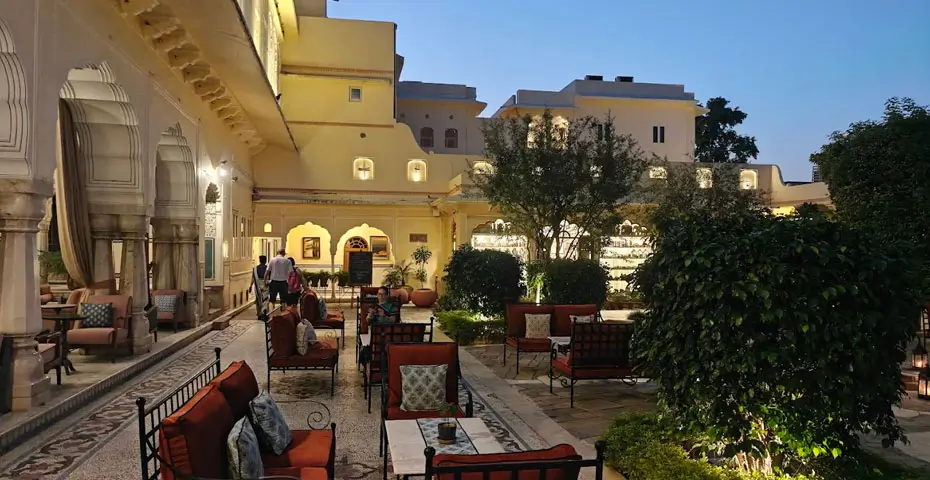
Samode Haveli, located within Jaipur, offers a city-based heritage experience without sacrificing calm. Once a noble residence, the haveli features gardens, courtyards, and elegant interiors.
The property combines accessibility with tranquility. Rooms reflect traditional design, while amenities ensure comfort. Samode Haveli appeals to travelers who want heritage within the city’s cultural heart.
It stands as one of the top heritage hotels in Jaipur for balanced urban luxury.
Best Suited For
Samode Haveli is suitable for travelers who want to stay close to Jaipur’s historic center without sacrificing the comfort of gardens, courtyards, and quiet spaces. It offers an effective balance between cultural exploration and relaxed luxury.
Guests can spend the morning exploring Jaipur’s forts and palaces before returning for a quiet afternoon by the pool or in the courtyards. The property is more than 200 years old and remains known for its hand-painted interiors and old-city setting.
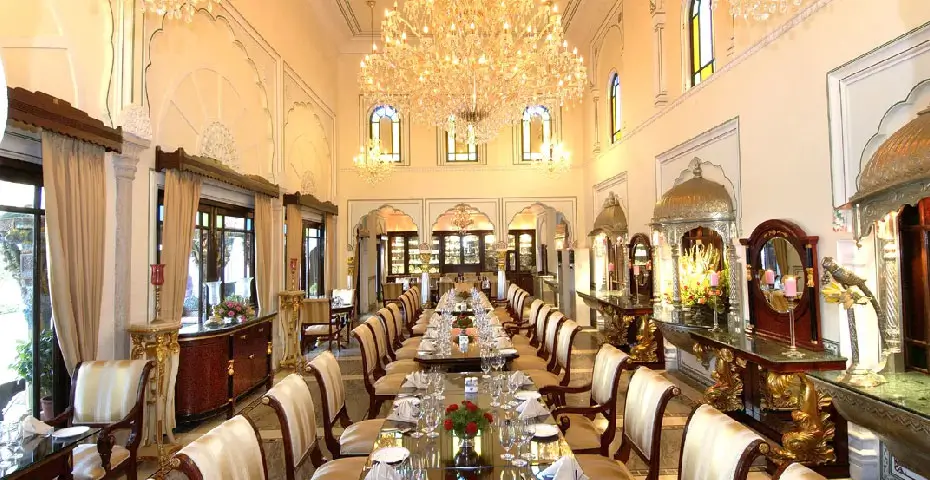
The Raj Palace is one of Jaipur’s most opulent heritage properties. Located near the historic Walled City, the palace combines convenient access to major monuments with the atmosphere of a private royal residence. Ornate interiors, antique collections, grand chandeliers, painted ceilings, and individually designed suites define the experience.
Unlike standardized luxury hotels, the property emphasizes visual richness and royal ceremony. Guests can explore historic spaces, enjoy private dining, experience traditional buggy rides, or relax with spa and wellness treatments.
The Raj Palace is best suited to honeymooners, luxury travelers, heritage enthusiasts, and guests celebrating a milestone. Its central location makes it convenient for visiting Hawa Mahal, City Palace, Jantar Mantar, Jal Mahal, and Amber Fort.
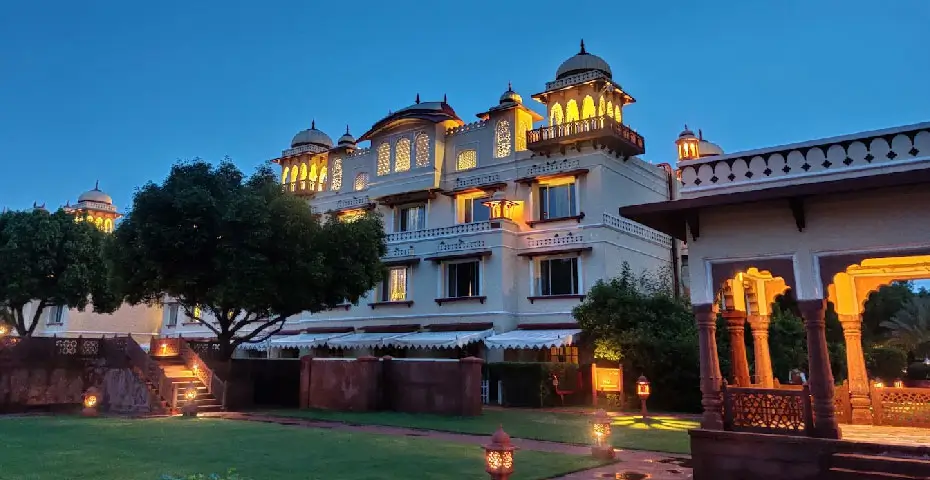
Jai Mahal Palace provides a different style of heritage luxury. Set within extensive landscaped gardens, the palace offers a spacious resort-like environment while remaining within Jaipur. Its architecture reflects Indo-Saracenic influences, combining Indian decorative traditions with elements introduced during the colonial period.
The property is particularly suitable for families, longer stays, and travelers who prefer open gardens and recreational facilities. Guests can enjoy palace-inspired interiors while retaining easy access to Jaipur’s monuments, markets, railway station, and cultural attractions.
Jai Mahal Palace is a practical choice for travelers who want heritage architecture with the facilities and consistency of an established luxury hotel. It also works well as a base for a three or four-day private Jaipur tour.
Jaipur’s heritage hotels differ from heritage stays elsewhere because they remain deeply connected to living traditions. Many properties are still owned by royal or noble families, ensuring authenticity and continuity.
Service is informed by tradition rather than scripted luxury. Hospitality feels personal, rooted in cultural values. Dining emphasizes regional cuisine, often served in historic settings.
The uniqueness lies in emotional authenticity. Guests feel part of a narrative rather than observers.
Luxury in Jaipur’s heritage hotels is defined by space. Rooms are larger, ceilings higher, and layouts less standardized. Privacy is inherent in design, with courtyards and gardens creating natural separation.
This spatial luxury supports calm and reflection. Travelers enjoy unhurried mornings and peaceful evenings. The experience feels restorative rather than stimulating.
Staying at a heritage hotel enhances cultural immersion. Guests observe rituals, architecture, and daily rhythms without leaving the property. Cultural performances and curated experiences deepen understanding.
This immersion complements sightseeing, creating continuity between accommodation and exploration.
Selecting among the top heritage hotels in Jaipur depends on travel style. Palace hotels suit travelers seeking grandeur. Havelis appeal to those who value intimacy. Outskirts properties offer seclusion.
Understanding personal preferences ensures satisfaction. Heritage hotels cater to diverse luxury definitions.
Travelers should consider the following factors before confirming a heritage hotel:
Location is particularly important in Jaipur. Properties inside or near the city are more convenient for sightseeing, while hotels on the outskirts provide greater privacy and tranquility. Travelers should decide whether their priority is exploring Jaipur every day or spending more time enjoying the hotel itself.
A minimum stay of three nights is recommended for first-time visitors to Jaipur. This allows one day for Amber Fort and the surrounding attractions, one day for the Walled City, and another day for shopping, cultural experiences, or relaxation at the hotel.
Travelers staying at Samode Palace or Castle Kanota should consider adding a separate night because these properties are located outside central Jaipur. Guests choosing Rambagh Palace, Royal Heritage Haveli, or The Raj Palace may also want to reserve additional time to enjoy the property’s dining, spa, gardens, and curated experiences.
A four or five-night itinerary is better for slow travelers, honeymooners, photographers, and international visitors who want to explore Jaipur without rushing.
The most comfortable period for visiting Jaipur is generally from October to March, when temperatures are suitable for outdoor sightseeing and palace visits. This is also the city’s busiest travel season, particularly around Christmas, New Year, weddings, and cultural festivals.
Travelers planning a winter visit should reserve preferred rooms, suites, guides, and private transportation well in advance. Heritage properties often have individually designed rooms, meaning room size, view, layout, and historical details can vary even within the same category.
April and September may offer greater availability, but daytime temperatures can be warm. The summer months are better suited to travelers who plan limited outdoor sightseeing and prefer spending more time within the hotel.
The heritage hotel experience can be enhanced by including activities connected with Jaipur’s history, crafts, and cuisine:
Availability varies by hotel and season, so experiences should be confirmed before arrival.
Heritage hotels transform Jaipur from a destination into an experience. They allow travelers to live within history rather than visit it.
For luxury travelers, this authenticity defines value. Jaipur’s heritage hotels offer a royal stay that feels genuine, respectful, and memorable.
Choosing the right heritage hotel is only one part of planning a memorable Jaipur journey. Hotel location, sightseeing timings, local transportation, restaurant reservations, guides, and onward travel all influence the overall experience.
Luxury Private Tours of India can arrange a customized Jaipur itinerary with a private air-conditioned car, experienced driver, professional guide, airport transfers, selected heritage accommodation, and curated cultural experiences. The tour can also be combined with Delhi, Agra, Jodhpur, Udaipur, Ranthambore, or other destinations in Rajasthan.
Whether you prefer a grand palace, an intimate haveli, or a quiet castle outside the city, the itinerary can be tailored to your interests, schedule, and preferred level of luxury.
Contact us to plan your private Jaipur heritage holiday.
WhatsApp: +91-9829202521
Gmail: info@luxuryprivatetoursofindia.com
Rambagh Palace is widely considered one of Jaipur’s most luxurious heritage hotels. Travelers seeking an equally opulent but more intimate palace experience can also consider The Raj Palace. The right choice depends on preferred location, atmosphere, suite style, and budget.
Rambagh Palace, Samode Palace, and Royal Heritage Haveli are excellent honeymoon options. Rambagh offers grand palace luxury, Samode Palace provides seclusion outside the city, and Royal Heritage Haveli offers a quieter boutique environment with gardens and wellness facilities.
Samode Haveli, Alsisar Haveli, The Raj Palace, Narain Niwas Palace, and Rambagh Palace provide convenient access to important city attractions. Actual travel time depends on traffic, sightseeing hours, and the location of each monument.
Yes. Many heritage hotels accommodate families and provide gardens, pools, larger rooms, dining options, and personalized services. Families should confirm room capacity, connecting-room availability, accessibility, meal arrangements, and child policies before booking.
A city hotel is better for travelers prioritizing forts, palaces, bazaars, restaurants, and shopping. An outskirts property such as Samode Palace or Castle Kanota is more suitable for privacy, countryside scenery, and time spent enjoying the heritage property.
No. Heritage properties often have individually designed rooms because they were converted from historic residences. Room size, ceiling height, views, layout, bathroom configuration, and decorative details may vary within the same category. Guests should discuss preferences before confirming.
For travel between October and March, booking three to six months in advance is advisable. Christmas, New Year, wedding dates, and major festivals may require earlier planning, especially for suites and smaller boutique properties with limited inventory.
Yes. Jaipur is commonly combined with Delhi and Agra as part of the Golden Triangle. It can also be connected with Ranthambore, Jodhpur, Udaipur, Pushkar, or rural Rajasthan through a private car and driver itinerary.
Rambagh Palace, Samode Palace, Narain Niwas Palace, Alsisar Haveli, and Shahpura House are among the most renowned.
Many heritage hotels continue to be owned or managed by royal or noble families.
Yes, modern comforts are integrated sensitively within historic structures.
Yes, they are especially preferred by luxury and international travelers.
Palace hotels are grand royal residences, while havelis offer more intimate noble stays.
Some are within the city, while others are located in quieter outskirts.
Pricing varies, but the experience offers strong value through authenticity and exclusivity.
Yes, they are a key component of luxury Rajasthan itineraries.
Many provide cultural performances, heritage dining, and curated experiences.
Heritage hotels offer history, emotion, and royal atmosphere that modern hotels cannot replicate.