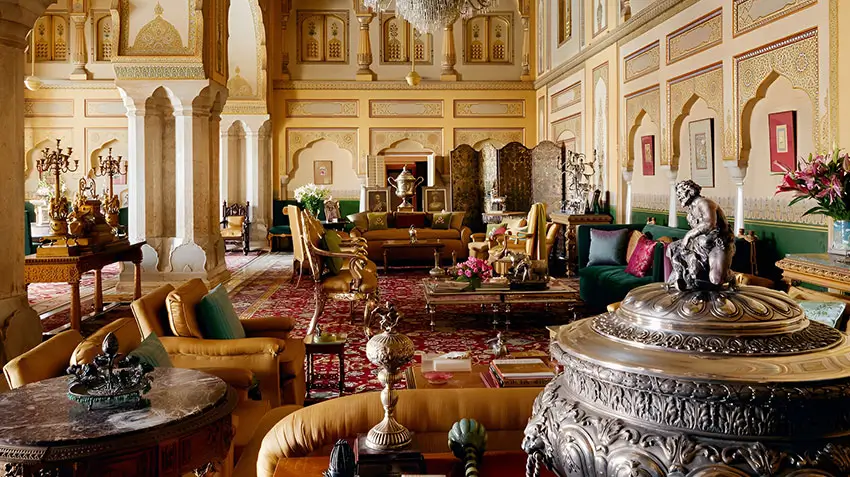
Jaipur is not merely a city of forts and palaces; it is the living legacy of one of India’s most influential royal families. For foreign travelers, understanding Jaipur’s royalty adds depth to every palace visit, street walk, and cultural experience. The story of the Jaipur royal family is not confined to history books - it continues to shape the city’s identity, traditions, and architecture.
Unlike many former princely states where royal influence faded into symbolism, Jaipur’s royal lineage remains deeply intertwined with daily life. From urban planning and art patronage to diplomacy and cultural preservation, the rulers of Jaipur left a blueprint that still defines the Pink City today.
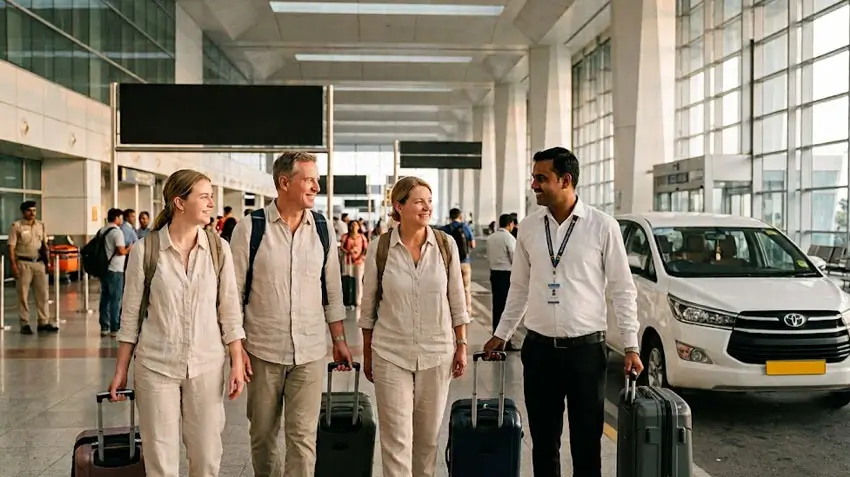
Travelers interested in royal heritage tours in India often begin their journey in Jaipur, where history feels both grand and accessible. Many choose to explore this legacy through Luxury Private Tours of India, where royal history is presented with context, comfort, and curated access rather than surface-level sightseeing.
Jaipur was founded in the early eighteenth century by Sawai Jai Singh II, one of India’s most forward-thinking rulers. Unlike older cities that evolved organically, Jaipur was planned deliberately as a capital that reflected order, astronomy, and governance.
The city’s grid-based layout, wide streets, and designated zones for artisans and traders were revolutionary for their time. This vision was not merely architectural - it reflected a ruler deeply interested in science, mathematics, and diplomacy.
For travelers, this planning explains why Jaipur feels distinct from other historic cities. Exploring Jaipur through luxury cultural tours of Rajasthan reveals how royal foresight shaped not just monuments, but everyday urban life.
The Jaipur royal family belongs to the Kachwaha clan, a Rajput lineage with roots tracing back over a millennium. Long before Jaipur’s foundation, the Kachwaha rulers controlled strategic territories in eastern Rajasthan, balancing alliances and resistance during periods of regional conflict.
Their decision to align strategically with the Mughal Empire allowed them to preserve autonomy while gaining access to imperial resources. This relationship influenced Jaipur’s architecture, court culture, and administrative systems.
Travelers visiting forts and palaces across Jaipur encounter a blend of Rajput strength and Mughal elegance - a fusion that defines much of Rajasthan’s royal aesthetic.
Experience the Royal Legacy of Jaipur
Discover the heritage, palaces, and royal stories of Jaipur with a private, luxury-guided experience crafted just for you.
Before Jaipur, the royal seat was located at Amber. The Amber Fort remains one of the most powerful symbols of Jaipur’s early dominance. Its massive walls, mirror halls, and hilltop setting reflect both military strength and refined taste.
Amber was not only a fortress but a functioning royal court. Ceremonies, governance, and diplomacy took place within its walls. For visitors today, Amber offers insight into how the Jaipur royals balanced warfare with artistry.
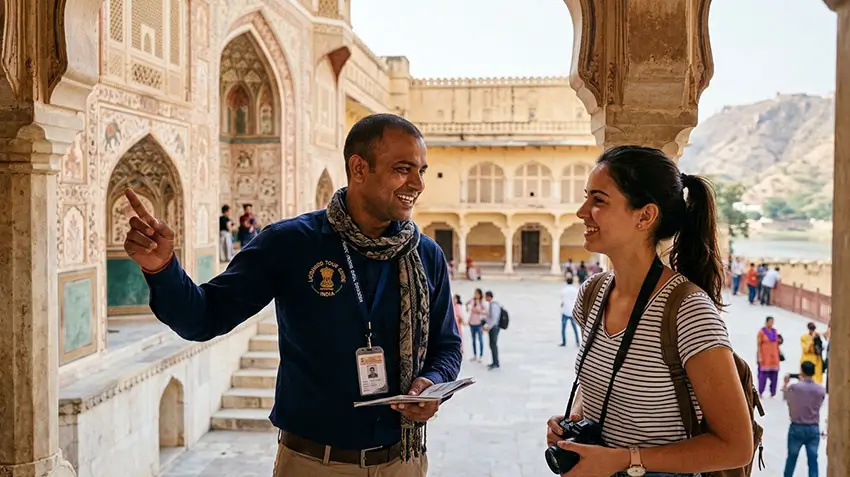
Exploring Amber with historical context transforms it from a scenic stop into a narrative experience. Luxury Private Tours of India often arranges guided visits that emphasize lineage, court life, and architectural symbolism rather than simple sightseeing.
At the heart of Jaipur lies the City Palace, still partially occupied by the royal family. Unlike abandoned palaces elsewhere, this complex represents continuity rather than nostalgia.
The City Palace houses courtyards, museums, ceremonial halls, and private residences. Each section reflects different phases of royal history, from ceremonial grandeur to administrative modernization.
For travelers, visiting the City Palace offers a rare opportunity to witness living royalty within an active urban environment. Curated visits provide insight into royal customs, ceremonial traditions, and evolving responsibilities.
Jaipur’s royal family was known not only for governance but also for intellectual and cultural patronage. The creation of astronomical observatories, most notably Jantar Mantar, reflects a ruler’s fascination with celestial science.
Royal workshops supported miniature painting, textile design, jewelry craftsmanship, and stone carving. Many artistic traditions associated with Jaipur today exist because of sustained royal support.
Travelers interested in heritage and cultural tours in India often appreciate Jaipur for this intellectual depth, where science, art, and governance intersected under royal leadership.
Royal women in Jaipur played influential yet often understated roles. Queens and princesses were patrons of education, religion, and charitable initiatives. Zenana spaces within palaces reveal refined aesthetics and thoughtful design rather than confinement alone.
Understanding these spaces adds nuance to palace visits, shifting focus from architecture to lived experience. It also reflects how royal households functioned beyond public ceremonies.
With India’s independence, Jaipur transitioned from a princely state into part of the modern republic. Unlike many royal families that withdrew from public life, Jaipur’s royals adapted.
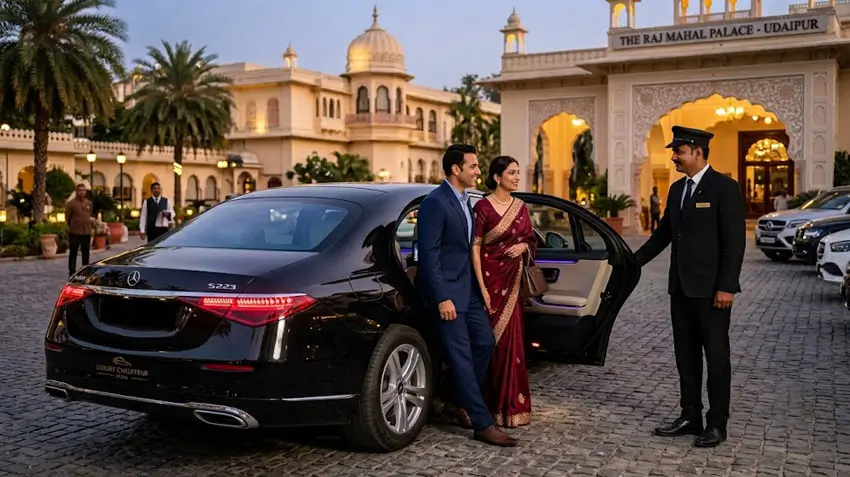
They became cultural ambassadors, heritage conservationists, and public figures. Palaces were converted into museums and luxury hotels, allowing preservation through sustainable tourism.
This transformation is central to Jaipur’s modern appeal. Travelers staying in palace hotels are not merely enjoying luxury - they are participating in heritage preservation.
Experience the Royal Legacy of Jaipur
Discover the heritage, palaces, and royal stories of Jaipur with a private, luxury-guided experience crafted just for you.
Today, the Jaipur royal family continues to engage with cultural, social, and heritage initiatives. While governance has changed, influence remains through tourism, philanthropy, and public engagement.
For visitors, this continuity adds authenticity. Jaipur is not a relic frozen in time, but a city where royal heritage evolves alongside modern life.
Experiencing Jaipur’s royal history goes beyond visiting monuments. It involves understanding routes between forts, the symbolism of architecture, and the lifestyle behind palace walls.
This depth is best accessed through private heritage tours in Jaipur, where itineraries are paced thoughtfully and guided by experts rather than crowds.
Luxury Private Tours of India designs Jaipur experiences that integrate history, architecture, and cultural encounters, allowing travelers to engage with royal legacy comfortably and meaningfully.
Luxury travelers often seek context, not just comfort. Jaipur’s royal history provides narrative richness that elevates the travel experience.
Private tours, heritage stays, and curated cultural interactions allow travelers to connect with history rather than observe it passively.
Jaipur’s royalty is not confined to the past. It lives in the city’s structure, traditions, and cultural confidence. For travelers, understanding this legacy transforms Jaipur from a destination into a story.
Those wishing to explore this heritage with insight and ease often choose to plan with Luxury Private Tours of India, where royal history is presented with depth, discretion, and refined comfort.
Jaipur was founded by Sawai Jai Singh II.
The Kachwaha Rajput dynasty ruled Jaipur.
Yes, the family remains involved in cultural and heritage initiatives.
Parts of the City Palace are open to visitors.
The city was painted pink as a symbol of hospitality.
Amber Fort served as the royal seat before Jaipur was founded.
Many palace hotels were former royal residences.
Yes, especially astronomy, painting, and craftsmanship.
Jaipur is one of India’s most rewarding heritage destinations.
Travelers seeking depth and comfort often rely on Luxury Private Tours of India.