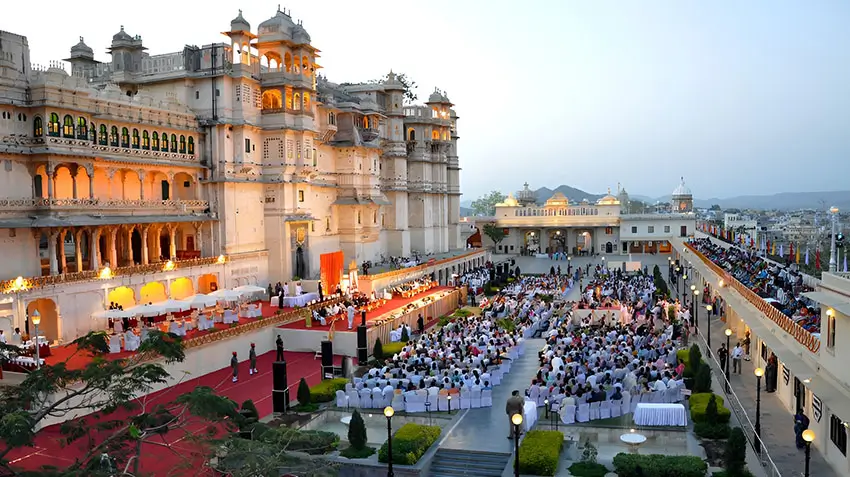
Among all royal lineages of India, the House of Mewar occupies a position of exceptional reverence. For foreign travelers interested in India’s royal past, Udaipur is not simply a picturesque city of lakes and palaces—it is the spiritual and historical heart of a dynasty that never surrendered its sovereignty. The story of Udaipur’s royal family is one of resilience, honor, and continuity that stretches back more than a thousand years.
Unlike many princely states that aligned themselves with successive empires, the rulers of Mewar defined themselves through resistance and independence. This uncompromising stance shaped the identity of Udaipur and continues to influence how the city perceives itself today. Travelers who explore Udaipur without understanding this legacy often admire its beauty but miss its deeper meaning.
Those seeking royal heritage tours in India frequently choose Udaipur because its royal history is not symbolic—it is lived, preserved, and actively respected. Many experience this depth through Luxury Private Tours of India, where Mewar history is woven into palace visits, curated walks, and heritage stays.
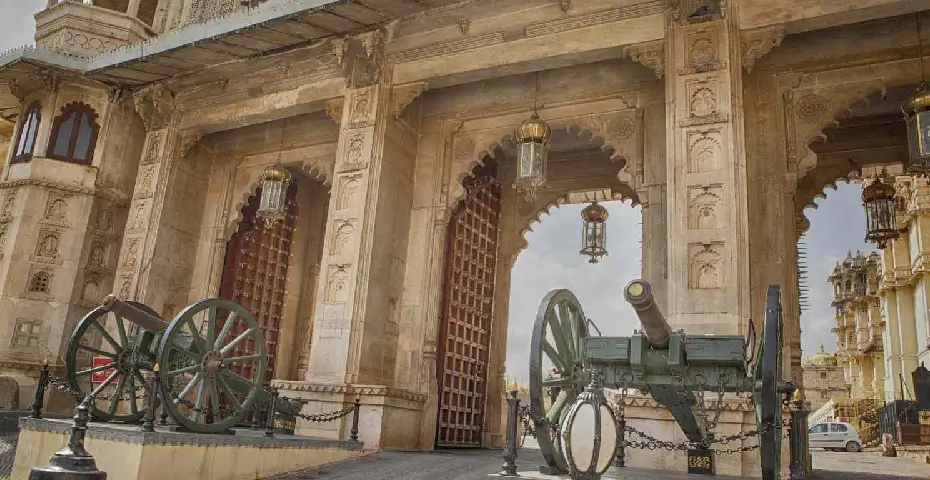
The House of Mewar traces its lineage to the Sisodia Rajputs, one of the most respected warrior clans of India. The dynasty claims descent from the ancient Suryavanshi lineage, a claim that placed honor and duty above political convenience.
The early capital of Mewar was Chittorgarh, a massive hilltop fort that became synonymous with Rajput valor and sacrifice. Long before Udaipur was founded, the rulers of Mewar defended their land against repeated invasions, choosing resistance even at immense cost.
For travelers, understanding this origin explains why Mewar’s story differs so profoundly from other royal narratives in Rajasthan. It is a legacy defined less by opulence and more by moral authority.
Explore the heritage, palaces, and royal legacy of Udaipur with a bespoke luxury tour.
WhatsApp Now Contact UsUdaipur was founded by Maharana Udai Singh II after the fall of Chittorgarh. Seeking a defensible yet nurturing capital, he established Udaipur amidst the Aravalli Hills, surrounded by lakes and forests.
The city’s location was strategic, but its design was emotional. Udaipur was conceived not merely as a fortress, but as a place of renewal—a capital that symbolized survival after loss.
This origin story gives Udaipur its distinctive atmosphere. Unlike cities built for display, Udaipur feels introspective and poetic. Travelers often sense this immediately, especially when exploring the old city or viewing the skyline from the lakes.
What sets the House of Mewar apart is its refusal to submit to imperial dominance. Even during the height of Mughal power, Mewar maintained its independence, often at enormous personal and territorial cost.
Figures such as Maharana Pratap became symbols of resistance, not just in Rajasthan but across India. His struggle was not merely military—it was ideological. Honor, sovereignty, and self-respect were valued above comfort or compromise.
For foreign travelers, this context transforms monuments into narratives. Palaces, forts, and memorials become chapters of a larger story rather than isolated attractions.
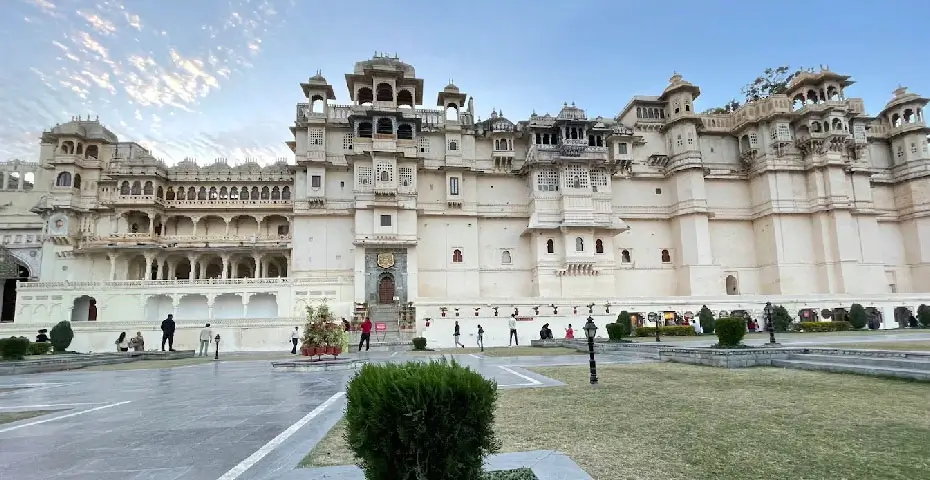
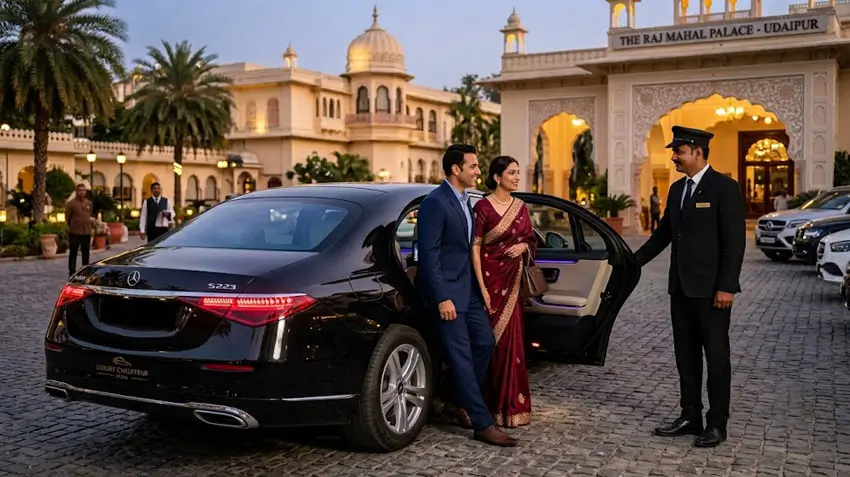
The City Palace of Udaipur is not just the largest palace complex in Rajasthan—it is a living residence. Portions of the palace remain occupied by the royal family, while others serve as museums and ceremonial spaces.
This continuity is rare. Visitors are not walking through an abandoned monument but through a complex that still holds meaning for its custodians. Courtyards, balconies, and halls reflect generations of architectural evolution, blending Rajput aesthetics with practical design.
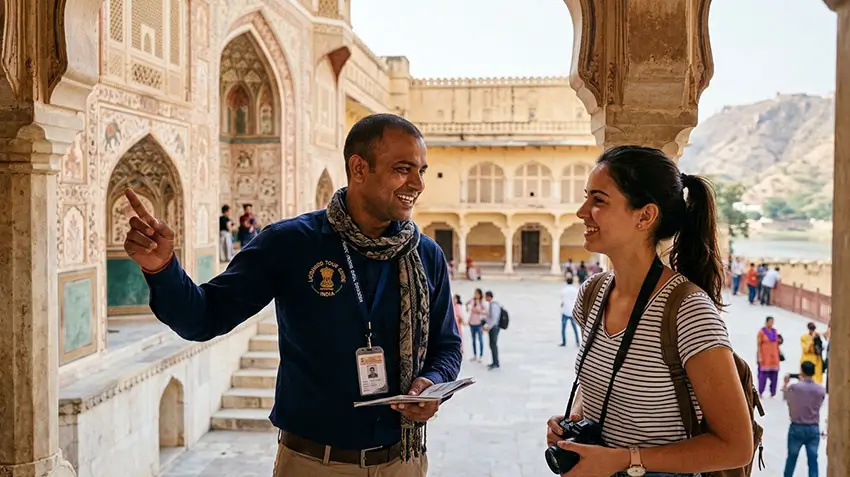
Private visits arranged through Luxury Private Tours of India allow travelers to explore the City Palace with historical interpretation rather than surface-level explanations, revealing the symbolism behind architecture and ritual spaces.
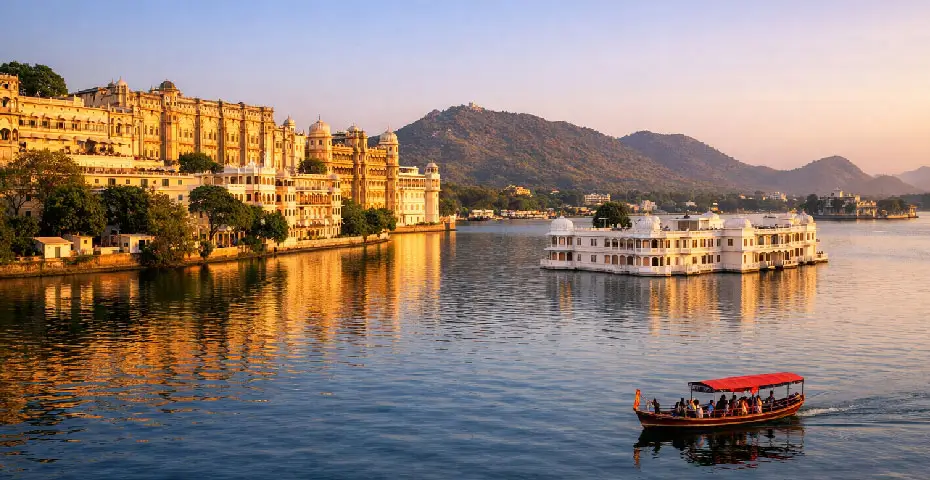
Udaipur’s lakes are inseparable from its royal identity. Lake Pichola was expanded and integrated into city planning to provide water security, climate moderation, and aesthetic balance.
Palaces such as the Lake Palace and Jag Mandir were designed as retreats, ceremonial venues, and strategic observation points. Their placement reflects a deep understanding of landscape rather than ornamental excess.
For travelers, lake-based experiences offer insight into how Mewar royalty harmonized power with nature—a theme that continues to define Udaipur’s charm.
The rulers of Mewar were major patrons of miniature painting, music, temple architecture, and literary traditions. The Mewar school of painting developed a distinct style emphasizing narrative detail, emotional expression, and devotion.
Art in Mewar was not decorative—it was documentary. Paintings recorded battles, ceremonies, seasons, and daily life, creating a visual chronicle of the dynasty.
Travelers interested in heritage and cultural tours of India often find Udaipur particularly rewarding because art here functions as historical evidence rather than ornamentation.
Personalized tours revealing Udaipur’s royal tales, lakes, and palaces.
WhatsApp Now Contact UsRoyal women of Mewar held influence through patronage, diplomacy, and preservation of traditions. While public narratives often focus on warriors, queens played critical roles in sustaining cultural continuity during times of conflict.
Zenana spaces within palaces were not merely secluded quarters but centers of artistic production and ritual practice. Understanding these spaces adds emotional depth to palace visits.
With India’s independence, Udaipur transitioned from a sovereign kingdom into a part of the republic. Unlike many royal families who retreated into obscurity, the House of Mewar chose preservation and public engagement.
Palaces were transformed into museums and heritage hotels, ensuring their maintenance without erasing history. This transition allowed travelers to engage with royal heritage without turning it into spectacle.
Staying in former royal residences today is not indulgence alone—it supports conservation and continuity.
Today, the Mewar royal family continues to be associated with heritage conservation, cultural education, and public philanthropy. Their role is no longer political but symbolic and custodial.
For visitors, this living connection reinforces authenticity. Udaipur is not a curated theme—it is a city shaped by values that continue to matter.
Experiencing Mewar history requires more than visiting landmarks. It involves understanding the sequence of forts, the symbolism of rituals, and the emotional geography of the region.
This depth is best accessed through private heritage tours in Udaipur, where pacing, storytelling, and access are prioritized.
Luxury Private Tours of India designs Udaipur itineraries that connect palaces, lakes, countryside retreats, and historical context into a coherent narrative rather than a checklist.
Luxury travelers often seek meaning alongside comfort. The House of Mewar offers a narrative rooted in values, resilience, and continuity—qualities that resonate beyond aesthetics.
Private tours, heritage stays, and curated experiences allow travelers to engage with this history respectfully and comfortably.
The House of Mewar is not a chapter that ended—it is a legacy that continues to shape identity, culture, and place. Udaipur reflects this continuity in every lake, palace, and ritual.
Travelers wishing to understand this heritage deeply often choose to plan with Luxury Private Tours of India, where royal history is experienced with insight, discretion, and refined comfort.
Udaipur was ruled by the Sisodia Rajputs of the House of Mewar.
Udaipur was founded by Maharana Udai Singh II.
It maintained independence and never formally surrendered sovereignty.
Yes, the family remains involved in heritage and cultural preservation.
Large sections of the City Palace are open to visitors.
He was one of Mewar’s most celebrated warrior kings.
Many palace hotels were former royal residences.
They supported defense, water supply, and urban balance.
Udaipur is one of India’s most rewarding heritage destinations.
Travelers seeking depth and comfort often rely on Luxury Private Tours of India.