Understanding photography rules in India for foreign travelers is essential for anyone who wants to capture the beauty, culture, and diversity of the country without facing legal issues or cultural misunderstandings. India offers incredible photography opportunities ranging from heritage monuments and vibrant street scenes to wildlife safaris and luxury palaces. However, not every place allows unrestricted photography, and certain guidelines must be followed carefully.
Foreign travelers often assume that photography is allowed everywhere, but in India, rules vary depending on the location, security sensitivity, and cultural significance. Being aware of what is permitted and what is restricted ensures that your journey remains smooth and respectful.
Photography in India is widely accepted in public spaces, tourist attractions, and most urban areas. However, understanding the general photography rules in India for tourists helps avoid unnecessary issues.
In most cities, you can freely take photographs of streets, markets, landscapes, and architecture. India is known for its vibrant street life, and capturing these moments is part of the travel experience. However, photographing individuals without permission, especially in rural areas or sensitive situations, can be considered disrespectful.
for privacy is important. Always ask before taking close-up portraits of people. In many cases, locals are friendly and may even be happy to pose, but consent is key.
In crowded areas, avoid using large camera equipment in a way that obstructs movement or creates inconvenience. Being mindful of your surroundings ensures a better experience.
Understanding these basic photography etiquette rules in India allows you to capture authentic moments while maintaining respect for local culture.
From monuments to religious sites and public spaces, photography rules vary—understanding them ensures a smooth and respectful experience.
Chat On WhatsApp Contact UsIndia is home to world-famous monuments and UNESCO heritage sites, making it a paradise for photographers. However, the photography rules at monuments in India vary depending on the location.
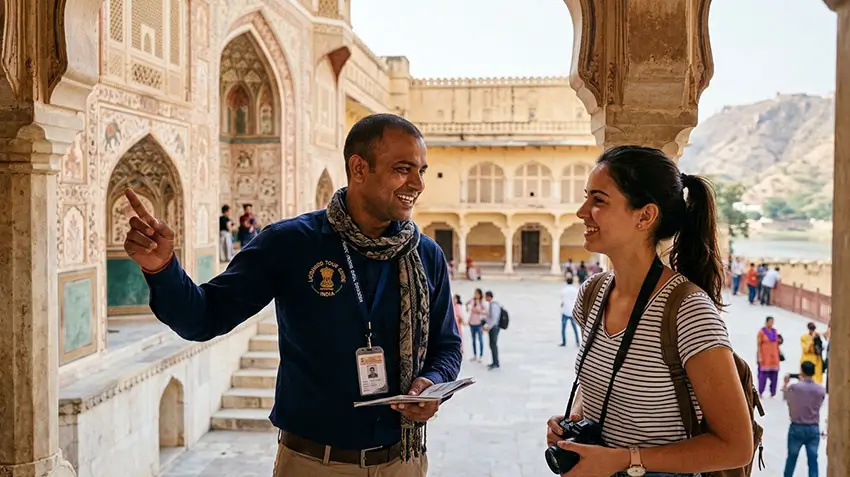
At most monuments such as forts, palaces, and historical sites, photography is allowed for personal use. However, there may be restrictions on using tripods, professional cameras, or commercial equipment without prior permission.
Some locations may charge a separate fee for cameras, especially for video recording or professional photography. It is important to check ticket details before entering.
Inside certain monuments, especially museums or protected interiors, photography may be restricted or completely prohibited. Signs are usually displayed clearly, and it is important to follow them.
Understanding the rules for photography at Indian heritage sites ensures that you enjoy these locations without facing penalties or restrictions.
Drone photography has become increasingly popular, but India has strict regulations regarding drone usage. The drone rules in India for foreign travelers are important to understand before carrying or using a drone.
Flying drones without permission is not allowed in many areas, especially near airports, military zones, government buildings, and densely populated regions. Certain areas are classified as restricted or no-fly zones.
Foreign travelers are generally required to follow specific regulations and may need approvals for drone usage. Unauthorized drone operations can lead to fines, confiscation, or legal action.
For travelers interested in aerial photography, it is advisable to rely on professional services or guided experiences that comply with regulations.
Understanding the drone photography laws in India ensures that you avoid serious complications during your trip.
Certain areas in India are considered sensitive due to security or privacy reasons. The restricted photography areas in India include military installations, airports, border regions, and government buildings.
Taking photographs in these locations is strictly prohibited and can lead to serious consequences. Security personnel may confiscate equipment or take legal action if rules are violated.
Railway stations, metro systems, and certain public infrastructure may also have restrictions on photography. It is always advisable to look for signs or ask authorities if unsure.
Understanding these restrictions helps you avoid unnecessary trouble and ensures a smooth travel experience.
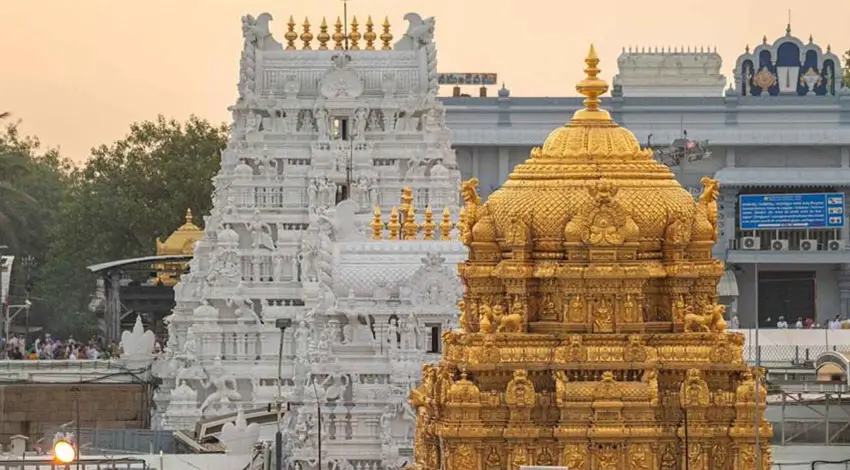
Religious sites are an important part of Indian culture, and photography rules here require special attention. The photography rules in temples and religious places in India vary depending on the location.
Many temples, mosques, and spiritual sites do not allow photography inside the main prayer areas. This is done to maintain the sanctity and spiritual atmosphere of the place.
In some locations, photography may be allowed in outer areas but restricted inside. It is always best to observe local practices or ask before taking pictures.
Flash photography is generally discouraged, as it can disturb rituals and devotees. Respecting these guidelines ensures that you do not offend cultural or religious sentiments.
Understanding the religious photography etiquette in India allows you to experience these places respectfully.
India is famous for its wildlife safaris, especially tiger reserves and national parks. The wildlife photography rules in India for tourists are designed to protect animals and their natural habitat.
Photography is allowed during safaris, but there are strict guidelines to follow. Flash photography is usually prohibited as it can disturb animals. Maintaining silence and avoiding sudden movements is essential.
Using drones in wildlife areas is strictly banned. Professional equipment may require special permissions depending on the park.
Following the instructions of guides and forest officials ensures a safe and responsible wildlife photography experience.
From wildlife parks to heritage sites, following photography rules ensures you respect culture, protect nature, and avoid penalties.
Chat On WhatsApp Contact UsIf you are planning professional shoots, pre-wedding photography, or commercial projects, you may need special permissions. The commercial photography rules in India differ from personal photography guidelines.
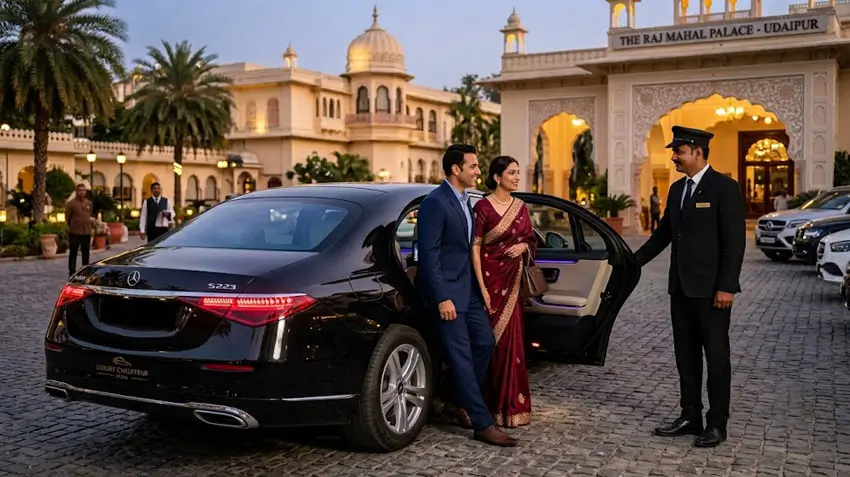
Many heritage sites, luxury hotels, and private properties require prior approval for professional shoots. Fees and permits may apply depending on the location.
Using tripods, lighting equipment, or large setups often requires authorization. Without permission, you may be asked to stop or leave the premises.
Understanding these rules ensures that your professional photography in India is conducted legally and smoothly.
Knowing the photography laws in India for foreigners allows you to travel confidently and capture moments without worry. It helps you avoid restrictions, respect cultural boundaries, and ensure a smooth experience.
Photography is an important part of travel, and India offers endless opportunities for stunning visuals. However, being informed and respectful enhances the quality of your experience.
Gmail :- info@luxuryprivatetoursofindia.com
Call & WhatsApp :- +91-9829202521
You may face fines, confiscation of equipment, or legal action depending on the situation.
Yes, but with strict rules to protect animals.
Yes, but large equipment may attract attention in restricted areas.
It depends on the location; it is often restricted in wildlife and religious areas.
Some monuments charge additional fees for cameras or video recording.
Yes, but it is polite to ask for permission first.
Yes, commercial photography usually requires prior approval.
In many temples, photography inside is not allowed.
Drone usage is restricted and requires permissions in most areas.
No, certain areas such as military zones and religious interiors have restrictions.