India’s haunted places are often misunderstood. Popular imagination turns them into sites of danger or fear, but in reality, most so-called haunted locations are historically significant monuments shaped by tragedy, abandonment, and folklore. What makes them unsettling is not supernatural activity, but silence—spaces once full of life that were left behind suddenly or violently.
For foreign travelers, visiting haunted places in India is not about chasing ghosts. It is about understanding how history, belief systems, and memory influence landscapes. Many of these places are protected by archaeological authorities, open to visitors during fixed hours, and completely safe when visited responsibly.
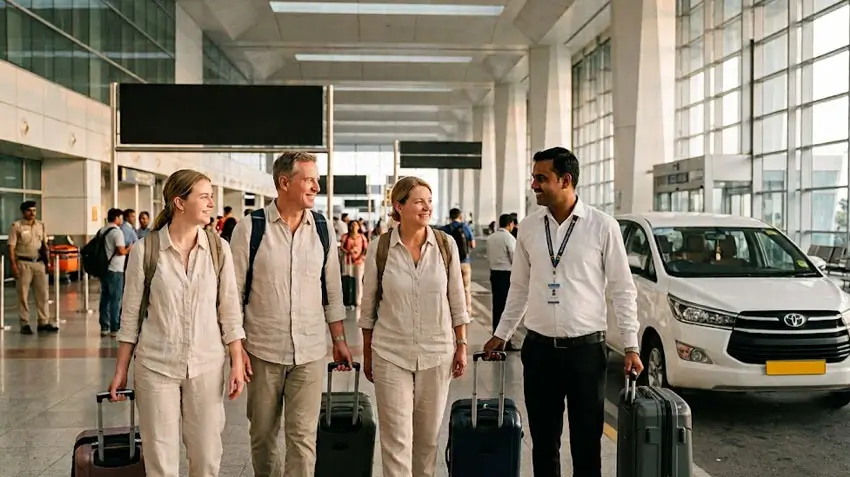
Travelers curious about India’s darker historical layers often explore these locations through luxury private tours in India, where visits are guided, contextual, and woven into broader cultural itineraries. Luxury Private Tours of India frequently includes such places for travelers seeking depth rather than spectacle.
In India, a haunted place is rarely associated with jump scares or paranormal tourism. Instead, it usually refers to locations linked to:
These stories were preserved orally long before tourism existed. Locals often speak about such places with restraint, not excitement. Understanding this cultural tone is essential for visitors.
When approached respectfully, haunted places become windows into social history rather than sources of fear.
Most haunted places in India are:
Restrictions usually apply only to nighttime entry, which reinforces legends but also ensures safety. Daytime visits with informed guides are common and encouraged.
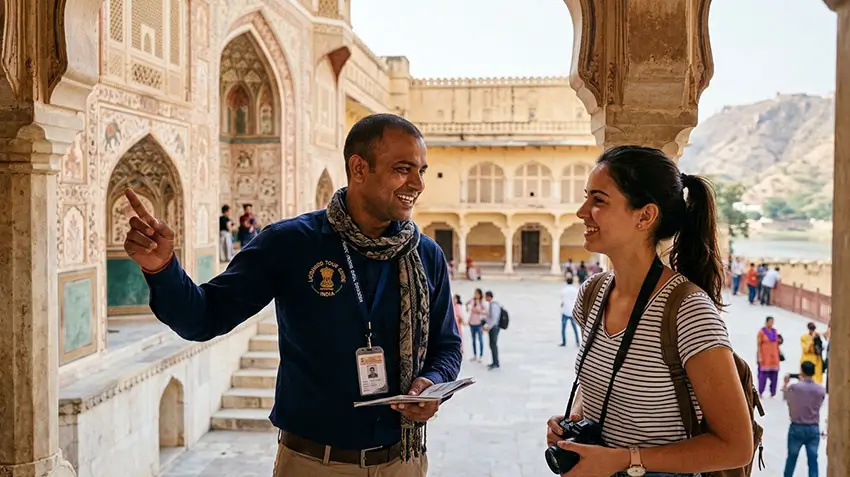
This is why private heritage tours in India are ideal. They allow travelers to visit safely, understand context, and avoid sensationalism.
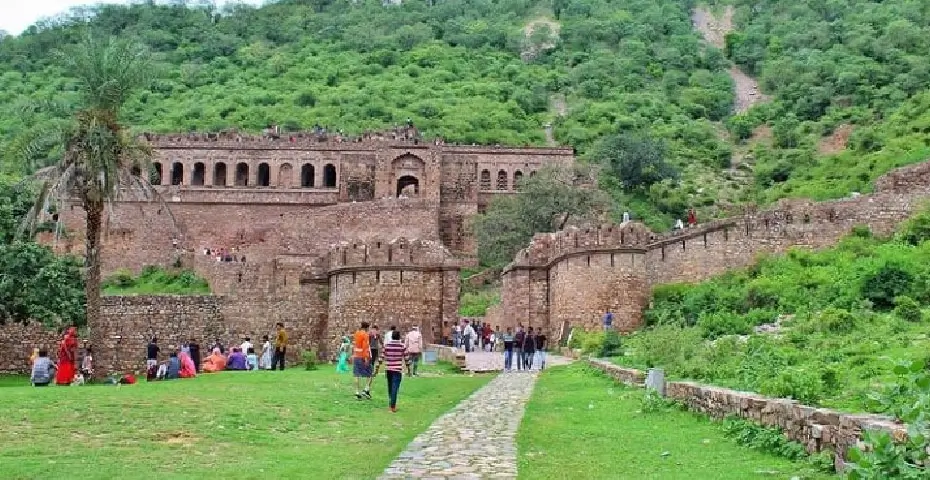
Bhangarh Fort is often cited as India’s most talked-about abandoned fort. Once a prosperous settlement, it was deserted following royal intrigue and social collapse.
What travelers notice most is not fear, but emptiness. Temples, streets, and homes remain intact, offering insight into sudden urban abandonment. Entry after sunset is prohibited, making daytime exploration calm and secure.
Visited responsibly, Bhangarh feels historical, not threatening. Luxury Private Tours of India includes it only as part of guided daytime routes combined with Jaipur or rural Rajasthan circuits.
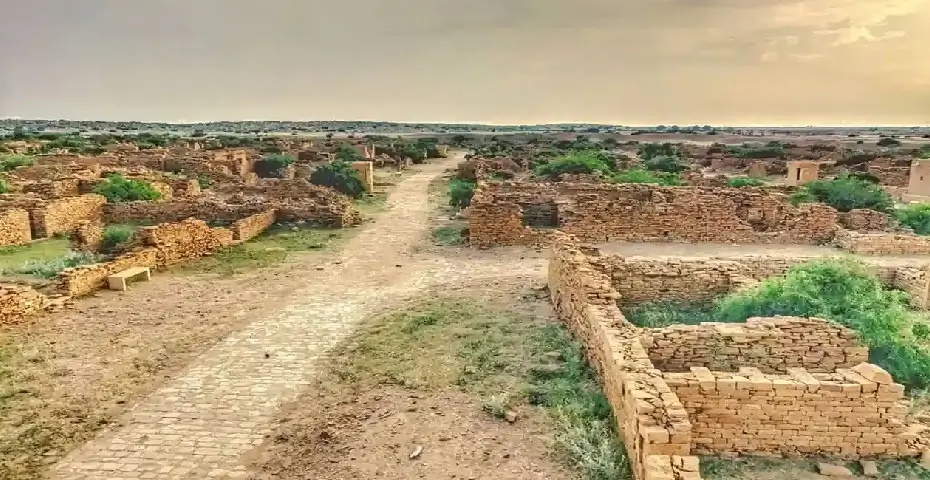
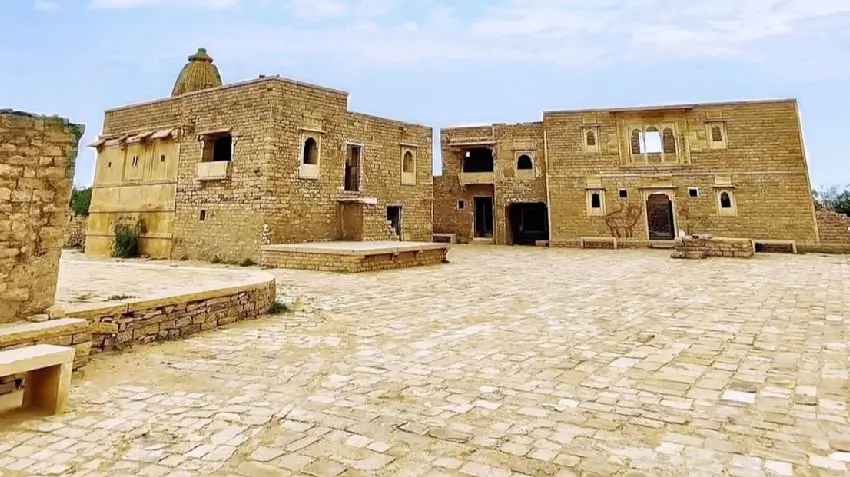
Kuldhara Village tells the story of an entire community that vanished overnight. Once home to Paliwal Brahmins, the village was abandoned suddenly, leaving behind empty houses and temples.
Local folklore speaks of a curse, but historians point toward political exploitation and economic pressure. Walking through Kuldhara is emotionally powerful because of what is missing, not because of what appears.
The site is well-maintained, fenced, and safe during visiting hours.
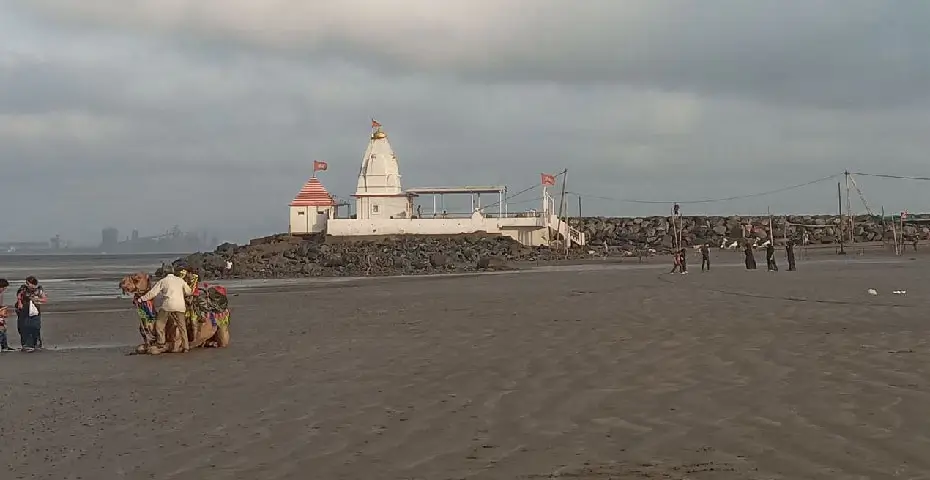
Dumas Beach is associated with whispers of unexplained sounds and unease after dark. Historically, the area was used for cremations, which contributed to its reputation.
During the day, Dumas Beach is an ordinary coastal stretch. Travelers visiting during daylight encounter no risk, only folklore attached to cultural beliefs about death and memory.
This illustrates how cultural context shapes perception more than physical danger.
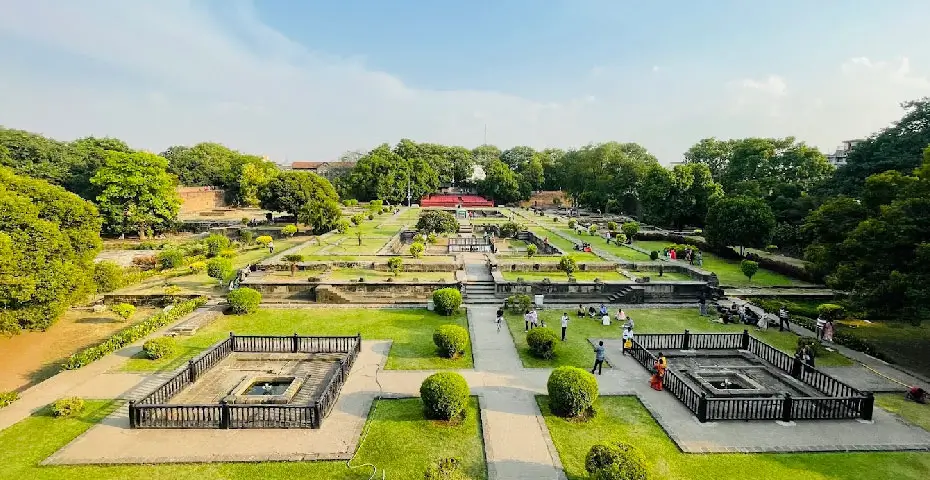
Shaniwar Wada is linked to one of India’s most tragic royal betrayals. The cries associated with the palace stem from documented historical murder rather than imagination.
Today, Shaniwar Wada is a protected monument visited daily. Its haunting reputation arises from emotional memory rather than supernatural threat.
For travelers, this site offers insight into Maratha politics and palace intrigue.
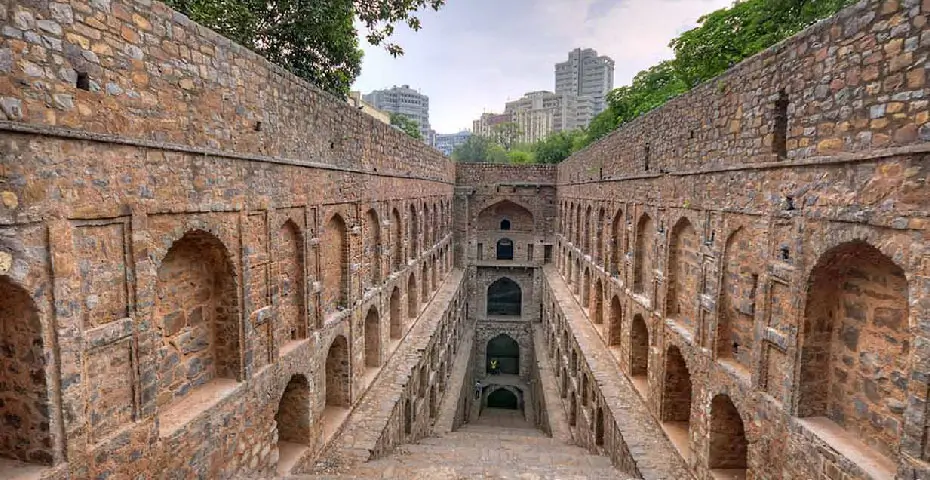
Hidden in the heart of Delhi, Agrasen ki Baoli is a stepwell surrounded by modern buildings. Its quiet atmosphere contrasts sharply with the city around it.
Legends suggest an unsettling energy, but visitors encounter architectural brilliance and silence. It is safe, centrally located, and frequently visited.
This site demonstrates how ancient infrastructure carries emotional weight even in modern cities.
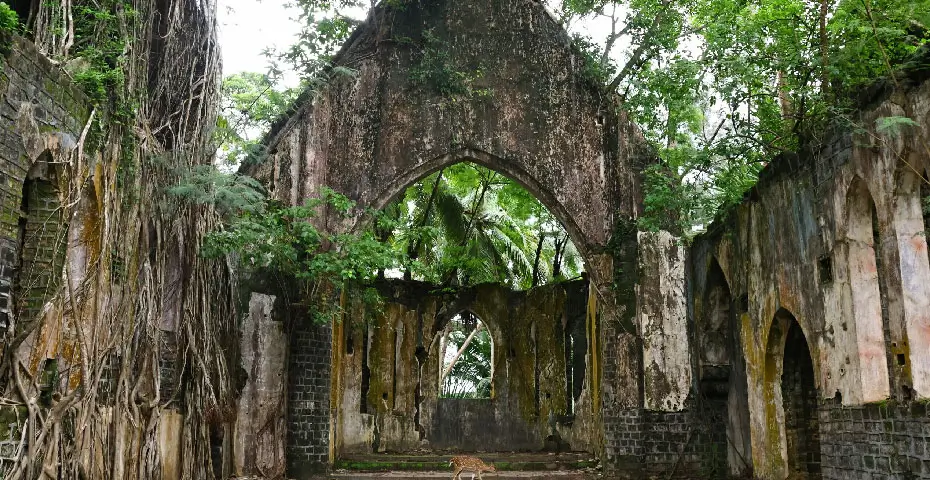
Ross Island was once a British administrative center. After abandonment, colonial buildings were overtaken by forest.
Stories of spirits emerged due to isolation and decay. Today, Ross Island is a managed heritage site, accessible by boat, and completely safe.
Its haunting reputation reflects colonial collapse rather than paranormal danger.
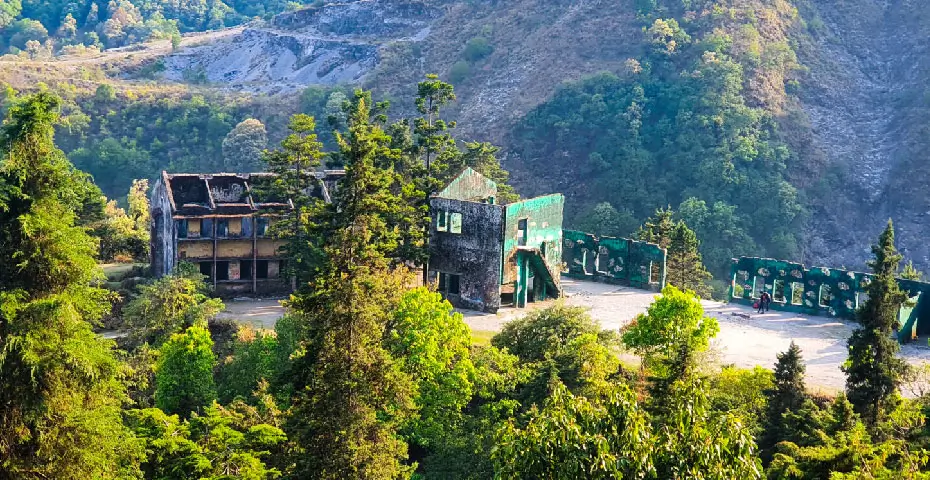
Lambi Dehar Mines gained notoriety after mine abandonment and worker deaths. The surrounding forest and silence intensified folklore.
While nearby areas are visited cautiously, guided daytime visits focus on industrial history and environmental impact rather than fear.
Professional planning ensures safety and cultural sensitivity.
Respect is essential. These places are tied to loss, belief, and memory. Travelers should:
Private tours naturally encourage this respectful approach.
Haunted places attract travelers interested in:
They appeal to reflective travelers, not thrill-seekers.
Luxury travel is not about avoiding discomfort—it is about managing it intelligently. Haunted sites add emotional depth when balanced with comfort, safety, and context.
Luxury Private Tours of India integrates haunted locations subtly within broader itineraries, ensuring they enhance understanding rather than dominate the journey.
Seeing India Through Its Silences
India’s haunted places remind travelers that history includes absence as much as presence. These sites reveal how societies collapse, move on, or remember.
When visited safely and thoughtfully, they offer some of the most meaningful travel experiences in the country.
Travelers seeking such depth often choose Luxury Private Tours of India, where even India’s quietest stories are approached with care, safety, and refined planning.
No, most are protected sites safe during visiting hours.
Many restrict night entry as a safety measure.
Belief varies, but respect is common.
Yes, it is regularly visited during permitted hours.
Yes, when planned thoughtfully.
Usually yes, during daytime visits.
Guides provide valuable historical context.
Yes, when approached with sensitivity.
Stories are cultural rather than evidence-based.
Travelers seeking insight and safety often rely on Luxury Private Tours of India.