For many foreign travelers, transportation is the single biggest variable that shapes their experience in India. The country is vast, fast-moving, and layered with systems that function very differently from Western transport norms. What works smoothly in Europe, North America, or Australia does not always translate seamlessly once you land in India.
India offers everything from ride-hailing apps and prepaid taxis to luxury chauffeur-driven cars and fully customized transport arrangements. The challenge is not availability—it is knowing which option fits which situation. Travelers who rely on spontaneity often encounter friction, while those who plan transport strategically experience India with far greater comfort, safety, and efficiency.
In 2026, experienced travelers no longer ask, “What is the cheapest way to get around India?”
They ask, “What is the smartest way to move based on my itinerary, time constraints, and comfort expectations?”
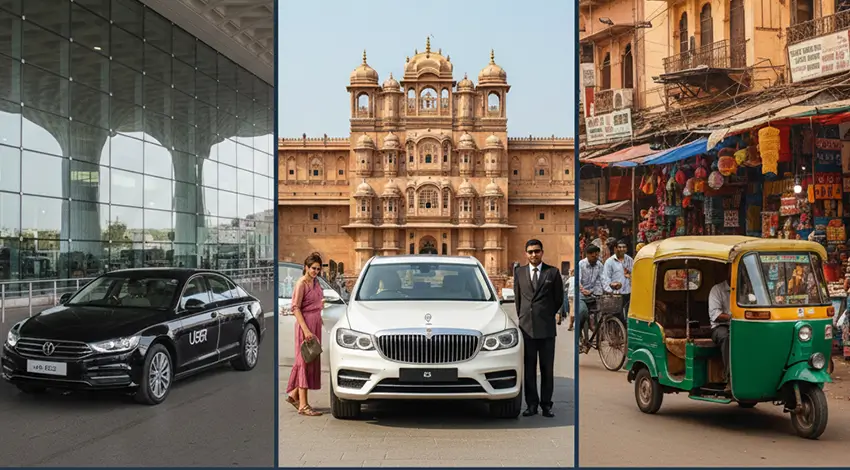
This guide breaks down the real-world performance of Uber, airport transfers, and private cars in India—what works, what does not, and what foreign travelers should realistically expect.
Uber remains the most familiar ride-hailing platform for international visitors, and in 2026 it continues to function reliably in major metropolitan areas. Cities such as Delhi, Mumbai, Bengaluru, Hyderabad, and select parts of Chennai still offer consistent coverage, functional GPS tracking, and app interfaces that feel instantly familiar to overseas users.
For short, point-to-point city travel, Uber performs well. Hotel-to-restaurant rides, museum visits, shopping trips, and daytime urban transfers are where the platform excels. International credit cards are generally accepted, which removes one of the biggest barriers faced by foreign travelers on local ride-hailing apps.
That said, Uber in India comes with nuances that first-time visitors should understand clearly.
Drivers often call passengers after accepting a ride. This is not unusual and is typically done to confirm pickup location rather than negotiate fares. English proficiency varies widely, but basic communication usually suffices for short trips. Travelers unfamiliar with local accents may find these calls momentarily confusing, but they are rarely a cause for concern.
Pricing on Uber is dynamic, and surge pricing is common during peak hours, festivals, rain, or traffic disruptions. While fares remain affordable compared to Western countries, price fluctuations can feel unpredictable. Another reality foreign travelers encounter is last-minute cancellations—especially for longer distances, early-morning rides, or late-night pickups.
Because of this, Uber should not be treated as a guaranteed solution for time-sensitive travel. It works best when schedules are flexible and expectations are moderate.
From airport pickups to full-day private car services, we offer reliable transportation in India for foreign travelers with professional drivers.
Best Use Cases for Uber in India
Situations Where Uber Falls Short
While Ola once rivaled Uber in India, its relevance for foreign travelers has declined significantly by 2026. Coverage can be inconsistent depending on the city, international card acceptance remains limited, and reliance on cash or UPI payments creates unnecessary friction for overseas visitors.
For travelers without Indian payment apps or local phone numbers, Ola works best as a backup rather than a primary transport solution. It may help in smaller cities where Uber availability is limited, but expectations should remain cautious.
Airport transfers form a traveler’s first and last impression of India. After long international flights, fatigue, jet lag, and unfamiliar surroundings amplify even small logistical issues. While Uber operates at most major airports, relying solely on ride-hailing immediately after arrival can be unpredictable.
Common challenges include surge pricing, driver confusion about pickup zones, and congestion at terminal exits—particularly at busy airports like Delhi and Mumbai. These issues are manageable during off-peak hours but become stressful late at night, early in the morning, or during peak travel seasons.
Prepaid airport taxis and hotel-arranged pickups offer a more structured alternative. These services provide fixed pricing, designated pickup points, and clearer processes. For first-time visitors, families, and senior travelers, this predictability offers welcome peace of mind.
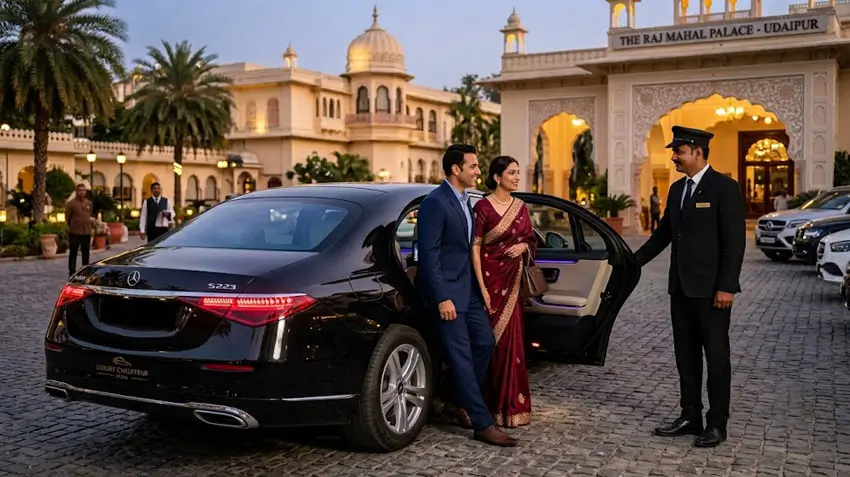
The most reliable option, however, remains private airport transfers with professional chauffeurs. These services track flight arrivals, wait through delays, assist with luggage, and escort guests directly to their vehicles. There is no negotiation, no surge pricing, and no dependency on mobile data or app performance inside crowded terminals.
Foreign travelers quickly learn that India’s transport ecosystem rewards planning over spontaneity. Airport transfers are where structured arrangements consistently outperform on-demand apps.
Best Use Cases for Pre-Arranged Airport Transfers
For travelers visiting multiple cities, covering long distances, or seeking a seamless experience, private chauffeur-driven cars remain the smartest way to move around India. Unlike app-based rides, private transport operates on fixed itineraries, transparent pricing, and personalized service.
A professional chauffeur understands local traffic patterns, hotel protocols, monument access points, and regional road conditions. Vehicles are air-conditioned, well-maintained, and suited for long hours on the road. There are no last-minute cancellations, no surge pricing, and no payment ambiguity.
This approach becomes especially valuable on classic routes such as Delhi–Agra–Jaipur, Rajasthan circuits, or journeys connecting multiple cultural regions. Travel becomes smoother when drivers coordinate with guides, adjust schedules in real time, and remain available throughout the day.
Private transport integrates naturally with luxury hotels, heritage properties, and exclusive experiences. For travelers seeking privacy, flexibility, and reliability, this model eliminates the uncertainty associated with local transport apps.
This is where Luxury Private Tours of India becomes particularly relevant. For foreign travelers, curated transport is not just about convenience—it is about safety, efficiency, and maintaining the rhythm of a carefully designed itinerary.
Best Use Cases for Private Chauffeur-Driven Cars
Traveling to India as a foreign visitor? Book safe airport transfers, private cars with English-speaking drivers, and stress-free transport across India.
India is not inherently unsafe, but it operates on different social and logistical norms. Transport safety improves dramatically when travelers choose experienced drivers, registered vehicles, and well-reviewed service providers.
Seatbelt usage varies, road conditions change rapidly, and traffic rules are interpreted flexibly in many regions. Professional chauffeurs are accustomed to these realities and navigate them calmly, while casual drivers may not offer the same consistency.
Comfort also extends beyond the vehicle itself. Reliable transport reduces stress, limits unnecessary interactions, and allows travelers to focus on experiences rather than logistics.
International credit cards are widely accepted by Uber and premium private transport providers. Cash remains useful for tips, tolls, and small incidental expenses, though travelers are rarely expected to tip aggressively.
For chauffeur-driven services, tipping is optional but appreciated when service is exceptional. Clear communication with service providers regarding inclusions, waiting hours, and daily limits prevents misunderstandings.
In 2026, experienced travelers no longer rely on a single transport solution. Instead, they combine options strategically:
This layered approach ensures that each journey is matched with the transport option best suited to its demands.
India offers many ways to get around, but not all options serve every journey equally. App-based rides offer convenience for short distances, airport transfers demand foresight, and private chauffeur-driven cars deliver consistency where it matters most.
Foreign travelers who plan transportation thoughtfully experience India with greater ease, safety, and enjoyment. When movement feels seamless, destinations feel richer—and the journey itself becomes part of the luxury.
For travelers seeking refined, stress-free exploration, transport is not an afterthought. It is the foundation on which memorable journeys are built.
Uber works well in major cities such as Delhi, Mumbai, Bengaluru, and Hyderabad for short city rides. Reliability drops during peak hours, late nights, or longer distances.
Yes, Uber generally accepts international Visa and Mastercard. However, payment failures can still occur, so having a backup option is recommended.
Ola operates in India but its availability and payment reliability have declined in many cities. It is best treated as a backup rather than a primary option.
Uber airport pickups are possible but can be confusing due to designated pickup zones, surge pricing, and driver coordination issues, especially after international flights.
Pre-booked private airport transfers or hotel-arranged pickups are the safest and most reliable options, particularly for late-night arrivals or first-time visitors.
Yes. Driver calls to confirm location are common in India and are usually routine, not a cause for concern.
While card payments work on Uber, carrying some cash is advisable for backup situations, tolls, tips, or unexpected payment failures.
Public transport can be crowded and confusing for first-time visitors. Private cars, chauffeur-driven vehicles, or app-based cabs offer a far more comfortable experience.
Yes. For intercity travel and multi-day itineraries, chauffeur-driven cars offer fixed pricing, no cancellations, better safety, and greater comfort.
Uber is commonly used by solo women in major cities, but for night travel, airport transfers, or unfamiliar areas, pre-arranged private transport is safer.
UPI generally requires an Indian bank account. Most foreign travelers cannot use it, making card-based or prepaid options more practical.
Luxury travelers typically rely on chauffeur-driven cars arranged through professional travel planners, ensuring privacy, comfort, and seamless coordination.
Common issues include fake surge excuses, cash-only demands, and last-minute cancellations. Using trusted platforms or pre-arranged transport minimizes these risks.
Use Uber for short city rides, arrange private airport transfers in advance, and rely on chauffeur-driven cars for intercity or luxury travel experiences.