Rajasthan’s forts and palaces are admired for their scale and beauty, but some of them carry stories that go far beyond architecture. Long after royal processions ended and courts fell silent, certain places were left behind—abandoned not by time alone, but by fear, tragedy, and legend. These locations are often described as haunted, not because of ghosts seen openly, but because of the atmosphere that lingers within their walls.
For foreign travelers, Rajasthan’s haunted forts and palaces are not about thrill-seeking. They are about understanding how history, belief, and memory shape places. Wars, forbidden love, betrayal, famine, and sudden abandonment left emotional imprints that locals still speak about quietly. Visiting these places with context transforms them from spooky sites into deeply historical experiences.
Travelers curious about this side of Rajasthan often explore it through luxury private tours in Rajasthan, where visits are carefully planned, culturally respectful, and completely safe. Many rely on Luxury Private Tours of India to integrate haunted heritage locations into broader itineraries without sensationalism.
Rajasthan’s history is filled with conflict, sacrifice, and extreme loyalty. Forts were not only residences but battlefields. Entire populations were displaced or destroyed during sieges. In many cases, cities were abandoned overnight due to famine, curse, or defeat.
Unlike modern ruins, these forts were once living capitals. When they fell silent, the psychological impact lingered. Oral traditions preserved stories of unexplained sounds, sudden temperature drops, or feelings of unease—passed down through generations rather than written records.
Understanding this cultural memory is essential. These legends are not entertainment for locals; they are part of historical identity.
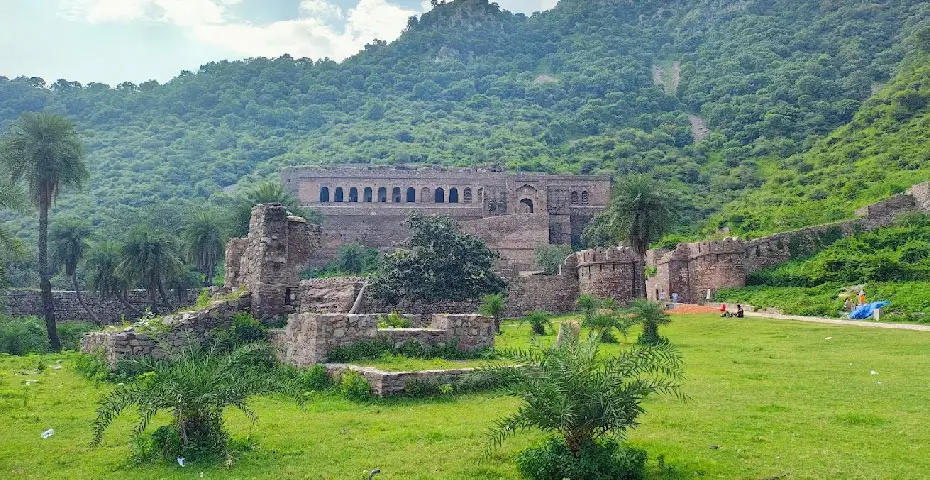
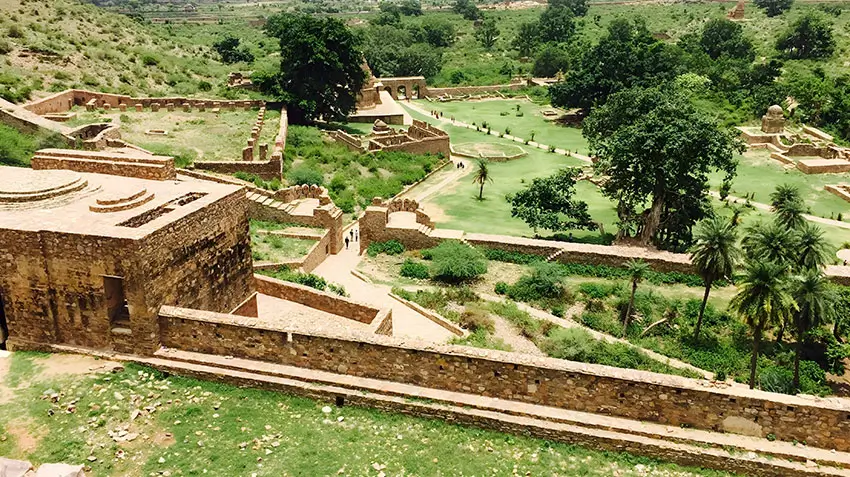
Bhangarh Fort is widely considered one of the most mysterious abandoned sites in India. Once a thriving town, it was suddenly deserted after a series of tragic events linked to royal intrigue and local folklore.
What makes Bhangarh unique is not sightings, but silence. Entire streets, temples, and homes remain frozen in time. Entry after sunset is officially restricted, reinforcing its reputation.
For travelers, visiting Bhangarh during daylight hours with historical context reveals more about sudden urban collapse than supernatural fear. Luxury Private Tours of India includes Bhangarh only as part of guided, daytime heritage routes that emphasize safety and explanation over drama.
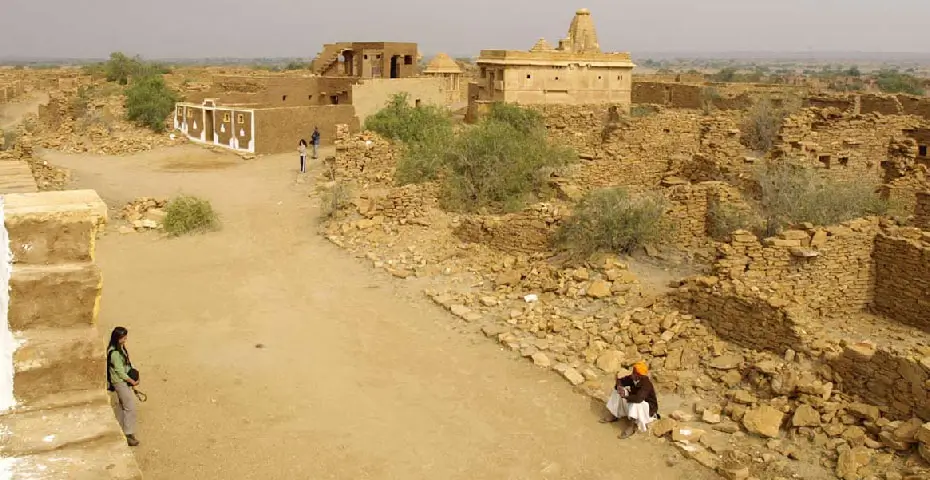
Kuldhara Village presents one of Rajasthan’s most haunting questions: how does an entire village disappear overnight?
Once inhabited by the Paliwal Brahmins, Kuldhara was abandoned suddenly, leaving behind intact houses and temples. Local belief speaks of a curse placed to prevent resettlement, while historians suggest economic pressure and political exploitation.
Walking through Kuldhara feels unsettling not because of fear, but because of absence. For travelers, this site offers insight into social collapse rather than superstition.
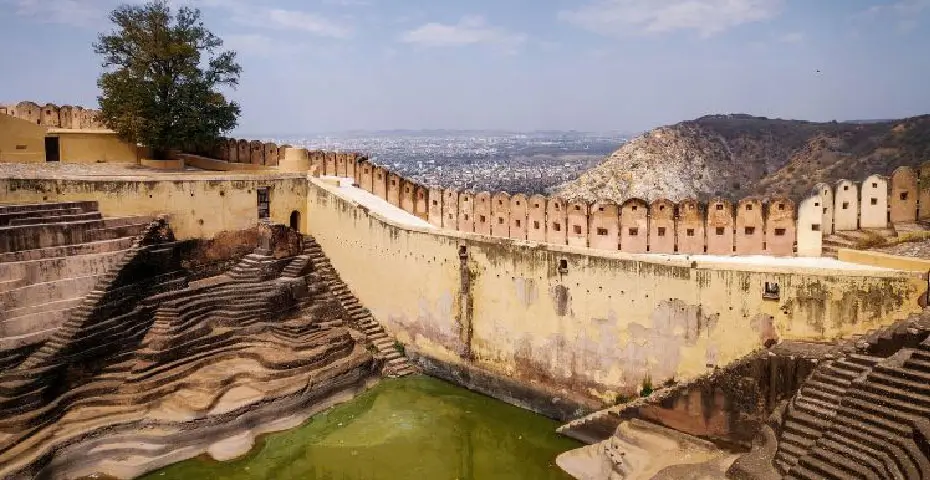
Overlooking Jaipur, Nahargarh Fort carries a legend linked to construction troubles and unexplained disruptions. While the fort itself remains active and visited, one section was reportedly left incomplete due to persistent disturbances.
The story reflects how belief influenced royal decisions. Even powerful rulers respected omens and signs. Visiting Nahargarh reveals how architecture, belief, and authority intersected in royal Rajasthan.
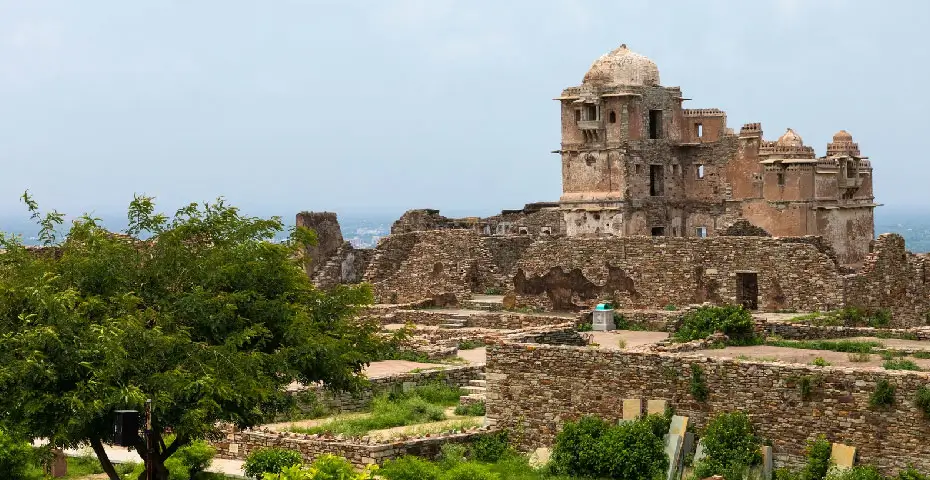
Inside Chittorgarh lies the ruins of Rana Kumbha Palace, associated with betrayal, imprisonment, and death. Unlike folklore-based hauntings, this palace’s reputation stems from documented royal tragedy.
The silence inside its ruins feels heavy, shaped by real events rather than imagination. Travelers interested in dark heritage tourism in India often find Rana Kumbha Palace deeply moving rather than frightening.
Despite legends, these forts and palaces are safe, protected monuments visited daily. The fear associated with them comes from storytelling, not danger.
Safety comes from:
This is why private heritage tours in Rajasthan are recommended. They provide cultural context and ensure visits remain respectful and informative.
Locals view these places with reverence, not curiosity. Laughing, shouting, or mocking beliefs is considered disrespectful. Travelers who approach these sites quietly and thoughtfully often feel welcomed and guided by locals.
Private tours allow travelers to experience these places without group noise or inappropriate behavior.
Luxury travel does not mean avoiding mystery—it means experiencing it intelligently. Haunted forts add emotional depth to Rajasthan itineraries when placed alongside palaces, villages, and cultural sites.
Luxury Private Tours of India integrates haunted locations subtly, ensuring they enhance the narrative of history rather than dominate it.
These sites appeal to travelers interested in:
They are not meant for thrill-seekers, but for reflective travelers.
Rajasthan’s haunted forts and palaces remind travelers that history is not always triumphant. Loss, fear, and silence are also part of the past.
Understanding this dimension makes royal grandeur feel more human and layered.
Travelers seeking such depth often plan their journeys with Luxury Private Tours of India, where even lesser-known stories are presented with care, safety, and refined comfort.
Yes, when approached with cultural sensitivity.
No, they are protected monuments visited safely during permitted hours.
Yes, during daytime hours only.
Local belief suggests a curse, while history points to social pressure.
Many locals treat them with quiet respect rather than fear.
Most haunted sites restrict entry after sunset.
Yes, when integrated thoughtfully.
Guides provide essential historical context.
Photography is usually permitted during daytime visits.
Travelers seeking insight and safety often rely on Luxury Private Tours of India.