Understanding cultural etiquette in India for foreign travelers is essential for creating a respectful, smooth, and enriching travel experience. India is a country deeply rooted in traditions, values, and social norms that may differ significantly from Western cultures. While India is welcoming and friendly toward international visitors, being aware of cultural expectations helps avoid misunderstandings and enhances your overall journey.
Respect, awareness, and adaptability are key when traveling across India. From how you greet people to how you dress, behave in public, or interact in religious places, small actions can make a significant difference. Travelers who understand the Indian cultural norms for tourists often experience deeper connections, better hospitality, and a more comfortable journey.
India’s social structure is built around respect, especially toward elders, traditions, and cultural practices. The concept of respect is deeply embedded in daily life, and understanding this aspect is crucial for foreign travelers.
The social etiquette in India for tourists emphasizes politeness, patience, and humility. Raising your voice, showing frustration in public, or being overly aggressive in communication is generally discouraged.
Greetings in India are often done with a simple “Namaste,” where hands are joined together. While handshakes are common in business settings, a respectful greeting is always appreciated.
Personal space in India may differ from Western standards. Crowded places are common, especially in markets and public areas. Being patient and understanding in such situations helps you adapt easily.
Respecting local customs and showing appreciation for cultural differences allows you to connect more meaningfully with people and enhances your travel experience in India for foreigners.
From public behavior to communication style, knowing what to do—and what to avoid—ensures a respectful and hassle-free experience.
Chat On WhatsApp Contact UsClothing plays an important role in how travelers are perceived in India. While major cities are modern and cosmopolitan, conservative dressing is still preferred in many parts of the country.
Understanding the dress code in India for foreign travelers helps you avoid unwanted attention and shows respect for local culture. Wearing modest clothing, especially in rural areas and religious places, is highly recommended.
For women, clothing that covers shoulders and knees is generally considered appropriate. For men, avoiding overly revealing attire is advisable in traditional settings.
In luxury hotels and private spaces, dress codes are more relaxed. However, when visiting temples, mosques, or cultural sites, modest attire is expected.
Adapting your clothing based on the environment ensures comfort and respect, making your journey smoother and more enjoyable.
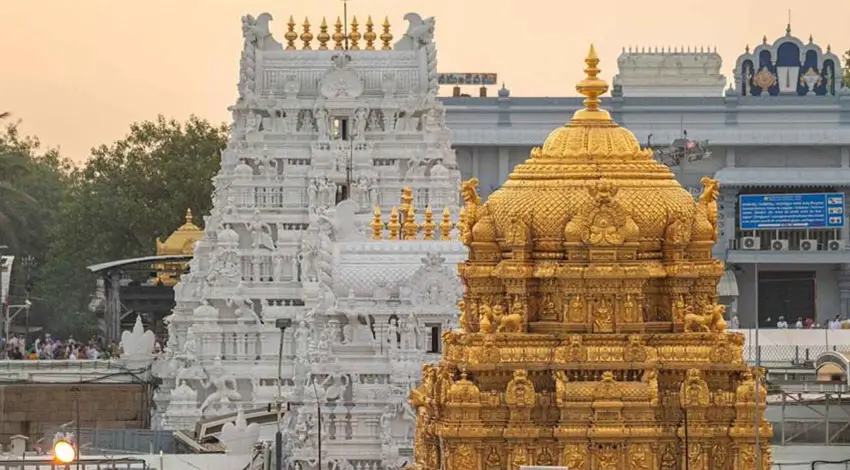
India is home to diverse religions, and religious places are an integral part of its cultural identity. Understanding the etiquette in Indian temples and religious sites is essential for foreign travelers.
Most temples and religious places require visitors to remove their shoes before entering. This is a sign of respect and cleanliness. Some places may also have dress codes that require covering the head or wearing modest clothing.
Photography may be restricted in certain religious locations, so it is always advisable to check before taking pictures. Maintaining silence and respecting ongoing rituals is important.
Avoid touching religious objects or entering restricted areas unless permitted. Following local customs and observing how others behave can guide you in such situations.
Respecting religious practices enhances your cultural experience and allows you to appreciate the spiritual depth of India.
Food is an important part of Indian culture, and dining etiquette reflects traditional values and practices. Understanding the food etiquette in India for tourists helps you navigate dining situations comfortably.
In many traditional settings, food is eaten with hands, particularly the right hand. While this may feel unfamiliar, it is a common practice and part of the cultural experience.
When dining in someone’s home or a traditional setting, it is polite to accept food offerings and show appreciation. Refusing food repeatedly may be considered impolite.
In restaurants, especially in urban and luxury settings, Western dining practices are widely followed. However, understanding local customs adds depth to your experience.
Being open to trying local cuisine and respecting dining practices enhances your cultural travel experience in India.
Communication in India can be different from what many foreign travelers are used to. Understanding the communication etiquette in India for foreigners helps avoid confusion and ensures smooth interactions.
People in India are generally friendly and curious, especially toward international visitors. Conversations may sometimes include personal questions, which are usually asked out of genuine interest rather than intrusion.
Maintaining a polite and respectful tone is important. Avoid confrontational or overly direct communication, as it may be perceived as rude.
In business or service interactions, patience is key. Processes may take time, and maintaining a calm approach ensures better outcomes.
Adapting to the local communication style helps you build positive connections and enhances your overall travel experience.
Small gestures like greeting politely, being patient in crowds, and respecting religious practices can transform your travel experience.
Chat On WhatsApp Contact UsPublic behavior in India reflects cultural values and social expectations. Understanding the public etiquette in India for tourists ensures that you navigate social situations appropriately.
Public displays of affection are generally limited in India, especially in traditional areas. Being mindful of this helps you avoid discomfort.
Queue systems may not always be strictly followed in crowded places, so patience is essential. Staying calm and respectful ensures smoother interactions.
Tipping is common in India, especially in restaurants, hotels, and for service providers. While not always mandatory, it is appreciated.
Being aware of these social norms allows you to adapt easily and enjoy your journey without unnecessary challenges.
Understanding and respecting local culture transforms your journey from a simple visit into a meaningful experience. Travelers who are aware of cultural etiquette in India often receive warmer hospitality and deeper connections with locals.
Cultural awareness allows you to move confidently, avoid misunderstandings, and fully appreciate the richness of India’s traditions. It also ensures that your interactions are respectful and positive.
Luxury travel is not just about comfort and experiences; it is also about understanding and connecting with the destination. Being culturally aware adds value to every moment of your journey.
Gmail :- info@luxuryprivatetoursofindia.com
call & WhatsApp :- +91-9829202521
It helps create a respectful, smooth, and enriching travel experience.
Be polite, respectful, and patient in your communication.
They are generally limited, especially in traditional areas.
Yes, tipping is appreciated in many service situations.
A simple “Namaste” is widely accepted and appreciated.
Not always, so it is important to check before taking pictures.
Remove shoes, dress modestly, and follow local customs.
Yes, but modest clothing is recommended in traditional settings.
Yes, especially in rural areas and religious places.
Respect for people, traditions, and customs is the most important aspect.