India rewards travelers who value substance as much as comfort. Its grand palaces, ancient forts, wildlife reserves, spiritual cities, distinctive regional cuisines, and celebrated hotels create a journey that cannot be replicated elsewhere. For Australian guests, however, the quality of the trip depends heavily on route design, flight selection, hotel standards, ground transportation, and the pace maintained after a long international journey.
Well-structured luxury India tours from Australia are not simply upgraded sightseeing holidays. They combine reliable airport assistance, carefully selected rooms, private transportation, knowledgeable local guides, flexible daily schedules, and enough recovery time between demanding travel days. The goal is to experience India’s cultural depth without turning the vacation into a rushed sequence of airports, road journeys, and hotel check-ins.
Australian passport holders require a valid Indian visa or an eligible Overseas Citizen of India card before entering the country. Australian Government advice also states that travelers must complete the required online arrival documentation within the prescribed period before reaching India. Entry rules can change, so every traveler should verify the latest requirements through the official Indian visa portal and Smartraveller before departure.
A high-end private journey is especially suitable for couples, families, retirees, honeymooners, and small groups who prefer personal attention over fixed coach schedules. Luxury Private Tours of India can arrange the journey around preferred hotel brands, dietary requirements, mobility needs, celebration dates, domestic flights, private guides, and a dedicated chauffeur-driven vehicle.
Discover India in Luxury from Australia
Enjoy a seamless luxury journey across India with personalized private tours designed especially for travelers from Australia. Explore royal palaces, historic forts, iconic landmarks, wildlife reserves, and cultural treasures while traveling in premium chauffeur-driven vehicles and staying in handpicked luxury hotels.
The international flight should be selected only after the Indian route has been shaped. Delhi is generally the strongest arrival point for travelers visiting the Golden Triangle, Rajasthan, Varanasi, or the Himalayan foothills. Mumbai suits journeys covering western India, Goa, Gujarat, or luxury rail departures. Bengaluru and Chennai work well for southern routes, while Kochi and Hyderabad can be convenient when the itinerary is focused on Kerala, Karnataka, or the Deccan.
Flight schedules between Australia and India change by season. Direct and connecting options may be available through Qantas, Air India, Singapore Airlines, Emirates, Qatar Airways, Cathay Pacific, Malaysia Airlines, SriLankan Airlines, and Thai Airways. Qantas has published a direct Sydney–Bengaluru journey time of approximately 11 hours and 50 minutes, while its broader India network includes connections from Australian cities to Delhi, Mumbai, Chennai, Hyderabad, and other gateways. Travelers should confirm the operating schedule before ticketing because routes and frequencies may be adjusted.
For premium-cabin travel, a realistic higher-side return airfare allowance from Australia is approximately AUD 5,500 to AUD 10,000 per person in business class. During Christmas, New Year, major Indian festivals, school holidays, and high-demand wedding periods, superior schedules may exceed AUD 12,000. First-class fares on suitable one-stop carriers can rise beyond AUD 15,000 per person. Premium economy commonly falls between AUD 2,200 and AUD 4,000, while flexible economy fares with convenient connections may cost AUD 1,500 to AUD 2,800.
Price alone should not determine the booking. A fare that saves AUD 400 but creates an eight-hour overnight connection can diminish the first two days of the vacation. For travelers aged over 60, families with children, or guests celebrating an important occasion, a shorter transit through Singapore, Dubai, Doha, Bangkok, or Kuala Lumpur is usually worth the additional expense.
At least three hours should be allowed between separate international and domestic tickets. Baggage allowances can differ considerably, particularly when a business-class international ticket connects with a separately purchased Indian domestic flight. Many domestic economy fares include lower checked-baggage limits than long-haul tickets. Excess baggage, priority seating, and lounge access should therefore be reviewed before final payment.
Delhi’s Indira Gandhi International Airport and Mumbai’s Chhatrapati Shivaji Maharaj International Airport are large, busy gateways. A premium arrival should include a named representative outside the permitted arrivals area, a private air-conditioned vehicle, bottled water, confirmed hotel communication, and assistance with luggage. Immigration, baggage collection, and exiting the terminal may take 60 to 120 minutes during busy periods.
Travelers arriving late at night should avoid beginning a long road journey immediately. An airport hotel or a leading city property is the safer and more comfortable choice. In Delhi, suitable luxury options include The Oberoi New Delhi, The Lodhi, The Leela Palace New Delhi, Taj Palace, ITC Maurya, and The Imperial. Depending on the season and room category, a realistic allowance is AUD 500 to AUD 1,200 per room per night, including taxes and breakfast. Premium suites can cost considerably more.
A first visit to India usually works best when limited to one or two regions. India’s scale is frequently underestimated. Delhi to Mumbai is not a casual road transfer, and Rajasthan cannot be covered properly in four or five nights. A refined journey gives each destination enough time to feel distinct.
The classic private Golden Triangle tour connects Delhi, Agra, and Jaipur. It is the most practical introduction to northern India and generally requires six to eight nights. Delhi deserves at least two full days for Old Delhi, Humayun’s Tomb, Qutub Minar, government avenues, specialist shopping, and a quieter heritage district. Agra needs one night, preferably two when guests want the Taj Mahal at sunrise, Agra Fort, Mehtab Bagh, and time with marble-inlay artisans. Jaipur deserves two or three nights for Amber Fort, the City Palace, Jantar Mantar, private shopping appointments, and a relaxed dinner at a palace hotel.
The Oberoi Amarvilas is located approximately 600 meters from the Taj Mahal, making it one of the most desirable hotels in Agra. Taj-view rooms command a significant premium but offer a level of convenience and atmosphere that standard city hotels cannot match. A higher-side luxury allowance for an Oberoi-based Golden Triangle journey is approximately AUD 1,300 to AUD 2,500 per person per day for two guests sharing. This can include luxury accommodation, breakfast, a premium private vehicle, airport services, selected guides, and domestic arrangements. International airfare, certain meals, spa treatments, and monument admission may remain separate.
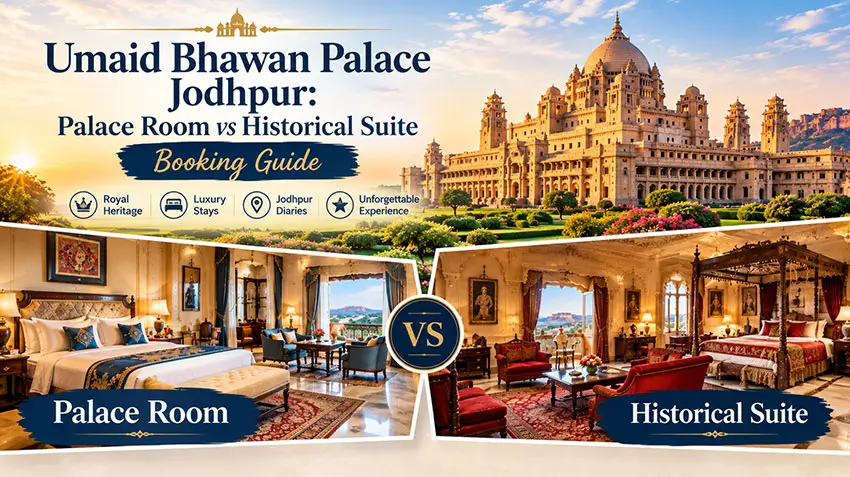
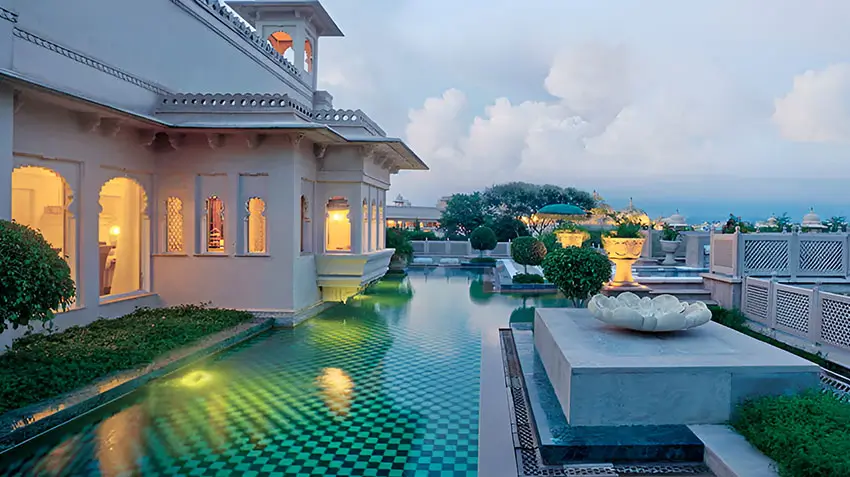
Rajasthan is better suited to a 12- to 18-night journey. A well-paced route may include Delhi, Agra, Jaipur, Jodhpur, Narlai or Rawla Narlai, Udaipur, and Mumbai. Jaisalmer can be added, but it requires additional road time or carefully timed flights. Recommended palace and resort hotels include Rambagh Palace and The Oberoi Rajvilas in Jaipur, Umaid Bhawan Palace in Jodhpur, The Oberoi Udaivilas and The Leela Palace Udaipur, and Taj Lake Palace on Lake Pichola. The Leela Palace Udaipur offers lake-facing rooms, suites, and high-end residential-style accommodation, including categories with balconies and private plunge pools.
Travelers seeking wildlife can add Ranthambore National Park between Jaipur and Agra. Two or three nights are preferable because a single safari provides limited opportunity to see a tiger. Premium accommodation may include Aman-i-Khas, Suján Sher Bagh, Six Senses Fort Barwara, or The Oberoi Vanyavilas. Safari permits are limited and vehicle zones are allocated under local regulations, so reservations should be secured well ahead of arrival. A high-end wildlife extension may add AUD 2,500 to AUD 6,000 per couple, depending on the lodge, number of drives, private naturalist arrangements, and transfers.
Australian travelers returning to India often favor southern routes. A luxury South India private tour can combine Chennai, Mahabalipuram, Pondicherry, Thanjavur, Madurai, the Kerala backwaters, Kumarakom, and Kochi. Another route may focus on Bengaluru, Mysuru, Coorg, Hampi, and Goa. Southern journeys involve a different architectural language, cuisine, landscape, and rhythm from Rajasthan. They should not be treated as a brief appendix to a packed northern itinerary.
A North and South combination normally requires at least 18 to 22 nights. Three weeks allows Delhi, Agra, Jaipur, Udaipur, Mumbai, Kochi, the backwaters, and a beach or wellness stay without excessive pressure. Domestic flights reduce distance, but every flight still consumes much of a day after hotel checkout, airport transfer, security, baggage collection, and the next hotel transfer are considered.
The hotel is not merely a place to sleep during a premium Indian journey. In cities such as Jaipur, Udaipur, Jodhpur, Agra, and Hyderabad, the property can be one of the central cultural elements of the trip. Former royal residences, restored forts, garden retreats, lakeside palaces, and tented safari camps create a stronger sense of place than standardized international accommodation.
India’s leading luxury names include Oberoi Hotels & Resorts, Taj Hotels, The Leela Palaces, Aman, Six Senses, Suján, RAAS, ITC Hotels, and carefully selected independent heritage properties. Oberoi operates award-winning luxury hotels and resorts across India and is particularly strong for travelers seeking highly attentive service and consistent standards.
A realistic higher-side budget for a premium room is AUD 450 to AUD 900 per night in Delhi, Mumbai, Jaipur, Udaipur, or Agra during favorable dates. Palace hotels and Taj-facing or lake-facing categories can range from AUD 900 to AUD 2,000 per night. Signature suites, private pools, grand palace suites, and high-season festive dates may cost AUD 2,500 to AUD 8,000 per night or more.
Room category matters. Booking the lowest category at a famous palace may produce a less memorable result than reserving a superior view room at a slightly less expensive property. In Agra, a Taj-facing room has clear experiential value. In Udaipur, a lake-facing balcony or suite can transform the stay. In Jaipur, historic suites at Rambagh Palace provide a stronger sense of royal residence than newer entry-level rooms in an outlying resort.
A reliable private chauffeur tour in India should use an appropriately sized vehicle rather than the smallest available car. Two travelers with large suitcases are usually more comfortable in a Toyota Innova Hycross or a comparable premium multi-purpose vehicle. Guests seeking sedan-level prestige may request a Mercedes-Benz E-Class, BMW 5 Series, or similar vehicle in major cities, although availability for long interstate journeys must be confirmed.
A higher-side chauffeur allowance for a premium Toyota vehicle can range from AUD 180 to AUD 320 per day, depending on distance, city regulations, interstate taxes, parking, driver accommodation, and operating hours. A luxury sedan may cost AUD 350 to AUD 750 per day. Larger premium vans, including Force Urbania-type vehicles for families and small groups, may range from AUD 300 to AUD 600 per day. Rates can rise for long-distance routes, festive dates, remote areas, or special airport access.
The quotation should clearly state whether fuel, tolls, interstate taxes, parking, driver meals, driver accommodation, airport parking, and overtime are included. A low headline rate can become misleading when these charges appear later.
Specialist guides should be selected according to the destination. A capable Delhi guide needs a different knowledge base from a naturalist in Ranthambore or a textile specialist in Jaipur. Private guiding commonly costs AUD 100 to AUD 250 per day. Highly regarded scholars, curators, culinary hosts, photographers, or specialist art experts may charge AUD 300 to AUD 800 for a private engagement.
Monument admission is usually inexpensive compared with the overall luxury vacation, but premium access, camera charges, private transport, and specialist interpretation add value. The Taj Mahal is closed to general visitors on Fridays, so Agra dates must be arranged accordingly. Sunrise visits require an early departure, often between 5:15 a.m. and 6:00 a.m., depending on the season and opening time. Tickets should be purchased through authorized channels, and passport details may be required.
The most comfortable period for Delhi, Agra, Rajasthan, and central India generally runs from October through March. December and January can bring cold mornings and reduced visibility in northern cities, while March becomes warmer as the month progresses. April through June can be extremely hot across much of northern and central India. Kerala, Goa, Tamil Nadu, Ladakh, and the Himalayan regions follow different weather patterns, so travel dates must be matched to the chosen region.
Australian summer holidays coincide with India’s peak winter season. Christmas and New Year bring high hotel occupancy, compulsory gala dinners, restricted cancellation terms, and premium airfares. A room that costs AUD 700 on an ordinary night may exceed AUD 1,400 during a festive period. Palace hotels and small luxury camps can sell out months ahead.
A practical daily schedule often begins early, pauses during the warmest or busiest part of the afternoon, and resumes later. Major monuments can be most rewarding shortly after opening. Markets and shopping districts usually become livelier later in the day. A private vehicle allows guests to return to the hotel, change the sequence, or omit an attraction without negotiating with a group leader.
Australian travelers should follow current Smartraveller guidance, maintain comprehensive insurance, and exercise a high degree of caution in India overall. Certain areas carry stronger warnings and should not be added casually to a leisure itinerary. Passports, visas, insurance details, emergency contacts, and digital copies of key documents should be stored securely.
Premium travel insurance should cover medical treatment, evacuation, cancellations, delays, lost baggage, pre-existing conditions where applicable, and high-value belongings. Medical evacuation can be extremely expensive. Travelers using luxury trains, domestic flights, wildlife lodges, or nonrefundable palace hotels should ensure that cancellation limits are sufficient for the full value of the journey.
Bottled or properly filtered water should be used for drinking. Reputable luxury hotels maintain strong hygiene standards, but sensible food choices remain important. Travelers with allergies, gluten intolerance, vegan requirements, or medical diets should provide detailed written information before arrival. Indian cuisine varies greatly by region, and leading hotels can usually prepare suitable meals when informed in advance.
Private dining and fine restaurants require realistic budgeting. Dinner for two at a leading palace hotel, including beverages, may cost AUD 180 to AUD 450. A chef’s tasting menu or private terrace dinner can exceed AUD 600 per couple. Alcohol is heavily taxed in several states and may be unavailable or restricted on certain days.
Tipping remains discretionary but is customary in premium tourism. A private chauffeur may receive approximately AUD 20 to AUD 40 per day from a couple for excellent service, while a knowledgeable guide may receive AUD 15 to AUD 35 per day. Hotel porters, housekeeping teams, naturalists, and spa therapists may be tipped separately. Larger amounts are appropriate for exceptional service, complex journeys, or private groups.
Experience India's Finest Luxury Holidays from Australia
Let us design a bespoke journey through India's most captivating destinations. From royal palaces and luxury heritage hotels to iconic landmarks, cultural experiences, and exclusive private sightseeing, enjoy every moment with a professional chauffeur and personalized service from arrival to departure.
The strongest India luxury vacation from Australia balances cultural ambition with restraint. Ten cities in fourteen nights may look impressive on paper, yet the result is often dominated by packing, checkout times, road transfers, and airport procedures. A more selective route creates room for private museum visits, unhurried meals, spa appointments, artisan meetings, quiet mornings, and spontaneous changes.
For a first journey, 12 to 16 nights is an effective range. A Golden Triangle and Rajasthan itinerary may begin with two nights in Delhi, followed by Agra, Jaipur, Jodhpur, and Udaipur. A wildlife component can replace one city rather than being added on top of an already crowded schedule. Travelers with three weeks can include Mumbai, Varanasi, Kerala, or Goa.
A higher-side budget for two people traveling privately for 14 nights can range from AUD 28,000 to AUD 50,000, excluding international business-class flights. This level may include distinguished five-star hotels, palace stays, breakfast, a dedicated premium vehicle, private guides, selected domestic flights, airport assistance, and curated activities. Ultra-luxury journeys using Aman, Oberoi, Taj palace suites, private aviation, exclusive dining, and top room categories can exceed AUD 70,000 to AUD 120,000 for two guests.
The quotation should state the exact hotel, room category, meal basis, vehicle, included admissions, guide services, cancellation terms, and taxes. Phrases such as “five-star hotel” or “luxury vehicle” are not sufficiently precise. A credible proposal names the property and room class and explains what is not included.
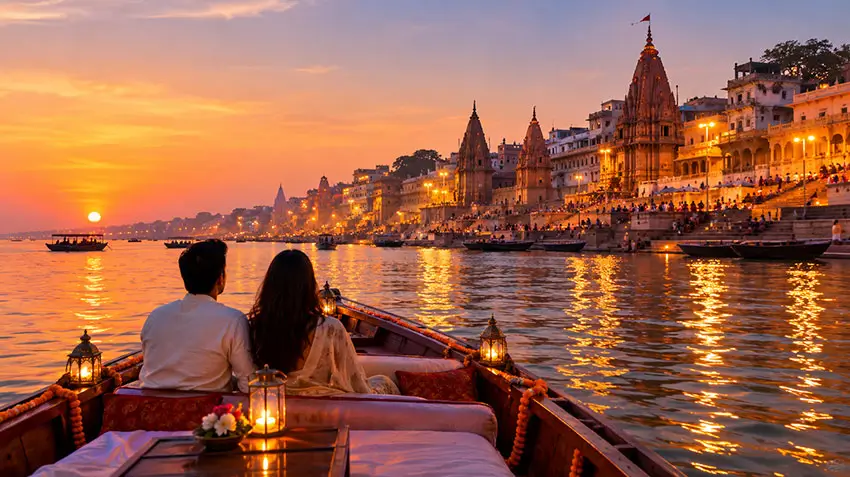
With thoughtful pacing, strong local coordination, and realistic budgeting, India becomes far easier to navigate. Its most memorable moments often occur between the headline sights: breakfast overlooking the Taj Mahal, an evening boat ride in Udaipur, a private conversation with a textile artist, a quiet courtyard dinner, or the first wildlife drive at dawn. Those moments are the true value of a carefully arranged private journey.
A first visit deserves at least 12 to 16 nights. Seven nights can cover Delhi, Agra, and Jaipur, but a longer stay provides a more comfortable pace and permits Rajasthan, wildlife, Varanasi, or Mumbai to be added without excessive transfers.
A private 14-night journey for two guests commonly requires AUD 28,000 to AUD 50,000, excluding international business-class airfare. Palace suites, Aman properties, top Oberoi room categories, private aviation, or festive dates can push the cost considerably higher.
Delhi is usually best for the Golden Triangle, Rajasthan, Varanasi, and northern India. Mumbai suits western routes and Goa. Bengaluru, Chennai, Kochi, and Hyderabad are useful gateways for southern India.
Direct services operate on selected routes and schedules, while many travelers connect through Singapore, Dubai, Doha, Kuala Lumpur, Bangkok, or Colombo. Flight frequency is subject to seasonal and commercial changes, so the operating schedule should be checked before ticketing.
Yes. Australian passport holders require a valid visa unless they hold an eligible OCI card. Applications and entry documentation should be completed only through official government channels.
Strong options include The Oberoi New Delhi, The Imperial, The Oberoi Amarvilas, Rambagh Palace, The Oberoi Rajvilas, Umaid Bhawan Palace, The Oberoi Udaivilas, Taj Lake Palace, and The Leela Palace Udaipur.
A chauffeur is ideal for connected regional routes such as Delhi, Agra, Jaipur, and Rajasthan. Domestic flights are more practical for long distances such as Udaipur to Mumbai, Delhi to Varanasi, or northern India to Kerala.
A premium Toyota Innova Hycross or comparable spacious vehicle is usually more comfortable than a small sedan. Travelers seeking a prestige vehicle can request a Mercedes-Benz or BMW, subject to route and city availability.
Yes, provided the route allows adequate rest, accessible vehicles, suitable rooms, limited stair-heavy sightseeing, and medical considerations. Palace hotels and heritage properties should be checked carefully because some have long corridors, steps, or limited elevator access.
Yes. The company can arrange private transportation, guides, hotels, airport services, domestic travel, selected activities, and route coordination around the travelers’ preferred pace, interests, room standards, and mobility requirements.