India can be remarkably rewarding when its monuments, traditions, architecture and everyday life are interpreted by someone who knows far more than the basic facts printed on an information board. Standing inside a Mughal fort or a Rajput palace is one thing; knowing why a particular courtyard was built, how royal ceremonies took place there, what an inscription means and which architectural details most visitors walk past creates a completely different visit.
For international visitors, hiring a private tour guide in India is particularly useful in heritage cities such as Delhi, Agra, Jaipur, Varanasi, Jodhpur and Udaipur. A good guide does much more than recite dates. The guide manages the pace of the sightseeing, explains cultural details, helps with monument procedures, identifies worthwhile sections of large historical complexes and gives context to what the traveller is seeing.
India also has a formal tourism-guide framework. The Ministry of Tourism operates the Incredible India Tourist Facilitator and Incredible India Tourist Guide system. Existing Regional Level Guides were brought into the Incredible India Tourist Guide framework, and eligible IITGs can guide at Archaeological Survey of India protected monuments and heritage sites. The Ministry also uses identity cards and experience-based badge categories for certified guides.
For a luxury private journey, the objective should therefore not simply be finding someone who speaks English. The better approach is hiring a professional English-speaking tour guide in India whose credentials, destination knowledge, communication style and experience match the type of sightseeing you want.
The greatest difference between independent sightseeing and travelling with a professional guide is context. India has layers of history that overlap constantly. Delhi alone contains remains connected with different dynasties, Mughal monuments, colonial architecture, religious landmarks and the institutions of modern India. Without interpretation, a traveller can photograph these places and still leave with only a limited idea of what they have actually seen.
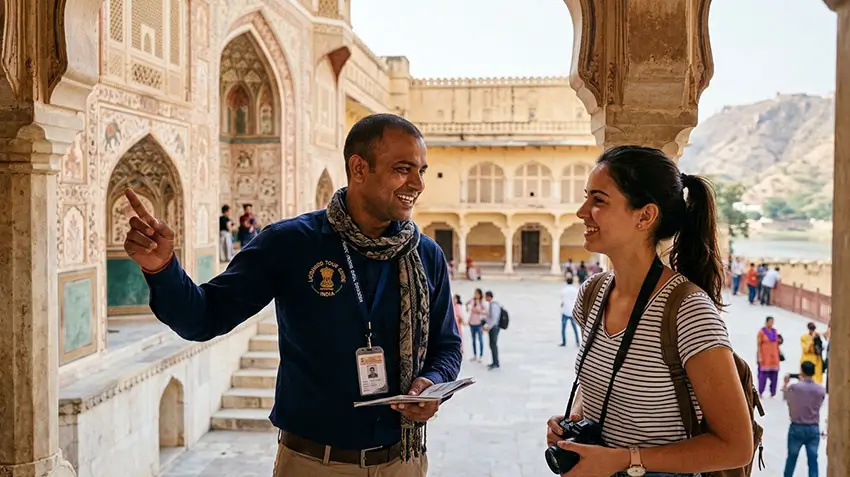
A knowledgeable English-speaking guide in India can connect those layers in a way that makes the day easier to follow. At Humayun's Tomb, for example, the conversation can move beyond the appearance of the building to Mughal garden design, Persian influence and the architectural ideas that later reached their grandest expression at the Taj Mahal. At Jaipur's Amber Fort, a guide can explain the purpose of the public and private courts, defensive position of the complex, royal residential areas and intricate decorative work rather than simply walking visitors from one photo point to another.
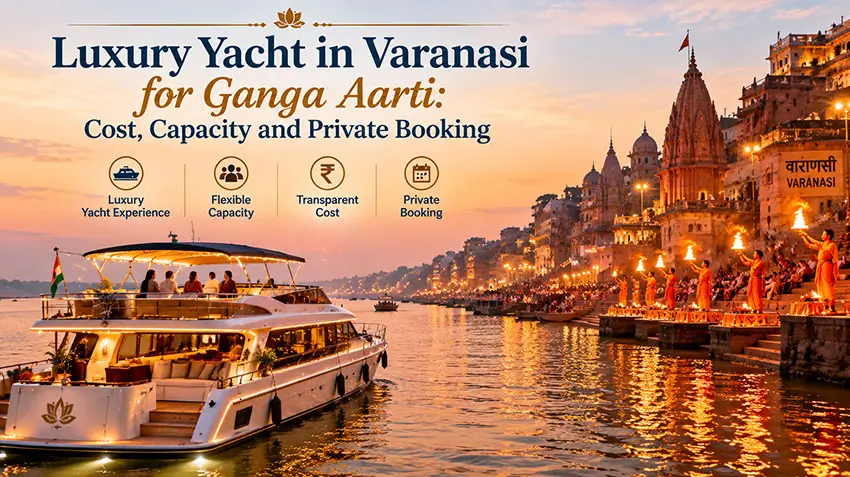
The same principle applies to cultural sightseeing. Varanasi is not merely a collection of temples and riverfront steps. Its rituals, cremation ghats, religious practices and narrow old-city lanes require sensitive interpretation. A professional guide can explain what visitors are seeing without turning deeply personal religious customs into spectacle.
Private guiding also gives travellers control over pace. A large group normally moves according to a fixed schedule. With a private sightseeing guide in India, travellers can spend longer at a monument they find fascinating, shorten a stop that does not interest them, pause for photography or take a coffee break without holding up twenty other people.
That flexibility becomes especially valuable for senior travellers, families, photographers and guests who prefer slower sightseeing. Someone interested in architecture may want an extended visit to a fort, while another guest may care more about textiles, jewellery, local cuisine or religious traditions. A competent private guide can adjust the conversation accordingly.
A guide can also reduce small practical difficulties that consume sightseeing time. Monument complexes may have separate ticket procedures, security checks, restricted items, photography rules and different entrances. Regulations can change, so a professional guide familiar with the site can explain the current procedure before arrival rather than having the traveller work everything out at the gate.
There is another important distinction: a private guide is not automatically the same person as a chauffeur. The chauffeur's primary responsibility is transport, road navigation, vehicle safety and transfers. The guide's role is destination interpretation and sightseeing. On a premium journey, using specialists for both roles generally creates a smoother experience than expecting one person to perform every function.
Experience India with a knowledgeable private guide, personalized sightseeing and a comfortable itinerary designed around your interests and travel style.
The phrase "licensed guide" is often used casually online, but travellers should know that India's guide system has evolved over time and includes central as well as state or local frameworks. The Ministry of Tourism states that former Regional Level Guides were renamed Incredible India Tourist Guides (IITGs) under the revised system, with their area of operation widened to Pan India after the required refresher process. The Ministry's current reporting also notes that IITG identity cards allow qualifying guides to continue guiding at ASI-protected monuments and heritage sites.
At the local level, the structure can differ. The Ministry has previously clarified that local guide licensing may fall under State Governments or Union Territory administrations under indicative guidelines rather than a single Ministry-issued local licence. That is why a traveller should not judge a guide merely by a website using the word "licensed."
Before confirming a licensed tourist guide in India, ask who issued the guide's credential and whether it is valid for the monuments included in your sightseeing. For important protected monuments, this is more meaningful than relying on a WhatsApp profile, social-media page or verbal claim.
A professional guide should be comfortable showing relevant identification when required. The Ministry's system includes uniform IDs and badge categories, with categories linked to experience. Current Ministry reporting lists IITF Basic and IITG Silver, Gold, Diamond and Platinum categories, progressing according to experience.
Credentials, however, are only the starting point.
An excellent guide also needs strong spoken English. There is a substantial difference between being able to conduct a basic conversation and being able to explain architecture, history, religion and social customs clearly to an international visitor. Before a multi-day assignment, it can be sensible to speak with the guide briefly by phone or video call.
Ask about the guide's specialist subjects. Someone may be outstanding at Mughal architecture, while another may be particularly knowledgeable about Hindu traditions, photography, food, textiles or local history. The best private tour guide in India for one traveller is not necessarily the best guide for another.
Foreign visitors should also ask whether the proposed guide regularly handles private travellers rather than only large groups. Private luxury guiding requires a different style. Guests usually expect discretion, flexible timing, calm communication and enough knowledge to answer detailed questions rather than a rehearsed speech delivered at every monument.
Shopping should be discussed before the assignment as well. India has exceptional textiles, jewellery, carpets, miniature paintings, marble inlay, handicrafts and other artisan traditions, and a good guide can be valuable when a traveller genuinely wants to see them. But shopping should never dominate a sightseeing day unless the guest requests it. Make your preference clear at the beginning.
Guide charges vary significantly by city, duration, language, qualifications, experience, season and the complexity of the assignment. There is no sensible single price that applies to every guide across India.
For budgeting a premium private trip, an English-speaking private guide in India can commonly be considered in the broad range of approximately ₹3,000 to ₹5,000 for a shorter local sightseeing assignment and around ₹4,500 to ₹8,000 or more for a full private sightseeing day. Highly experienced guides, specialist historians, guides handling VIP-level arrangements or professionals required for unusually long hours may charge above these ranges.
These figures should be treated as practical budgeting ranges rather than an official government tariff. Always request the actual quotation for your date and destination.
For cities with very strong international demand, paying more for an excellent guide can be worthwhile. The difference between ₹4,000 and ₹6,000 is relatively small within the overall cost of an international holiday, yet the quality of the guide can influence an entire day at some of India's most important monuments.
A private guide in Delhi may be booked for Old Delhi, New Delhi or a combined full-day visit. A private guide in Agra may be required for a sunrise Taj Mahal visit followed by Agra Fort and other heritage sites. Jaipur can easily justify a full guiding day when Amber Fort, City Palace, Jantar Mantar and the old city are combined.
Varanasi is different again. Travellers may need a guide for an early-morning river visit, an old-city walk and evening religious ceremonies, which can create split working hours. The quotation should make clear whether these separate periods are included.
Ask exactly what the quoted guide fee covers. Monument entrance tickets are normally separate unless explicitly included. Vehicle and chauffeur charges, meals, gratuities, camera or special activity charges and personal expenses may also be separate.
If the same guide accompanies guests between cities or stays overnight away from home, additional expenses can arise. Accommodation, meals, intercity transport and outstation allowances should be agreed in writing before departure.
For a premium journey, the lowest quote should not automatically win. A private guide is one of the few travel services where a relatively small saving can materially reduce the quality of a major sightseeing day.
Delhi is one of the strongest cases for private guiding because the city's historical scale can overwhelm first-time visitors. Private tour guides in Delhi can connect sites such as Humayun's Tomb, Qutub Minar, Jama Masjid, Raj Ghat and the landmarks of New Delhi into a coherent historical narrative. Old Delhi is particularly suited to guiding because its lanes, markets, places of worship and food culture are much easier to appreciate with local context.
Agra is another city where guide quality matters. Many travellers arrive with the Taj Mahal as the principal objective, but the monument contains far more architectural and historical detail than its famous exterior photograph suggests. A good private Taj Mahal guide can explain symmetry, materials, calligraphy, Mughal funerary architecture, garden design and the story of the complex while allowing sufficient quiet time for guests to absorb the setting themselves.
Jaipur requires a different knowledge base. Rajput history, astronomy, palace architecture, decorative arts and living craft traditions all play a role. A private tour guide in Jaipur can add considerable value at Amber Fort, City Palace and Jantar Mantar while also helping travellers make sense of the historic city.
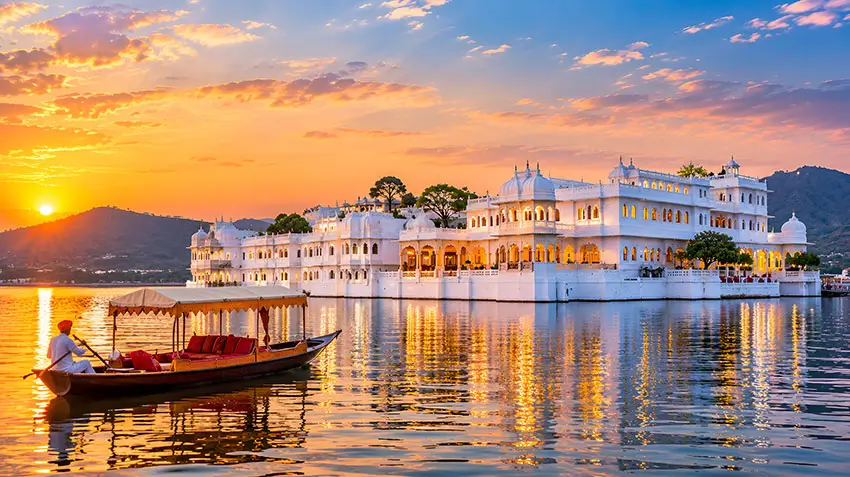
Udaipur's palaces and Mewar history reward deeper interpretation, while Jodhpur's Mehrangarh Fort becomes far more meaningful when its military architecture and Rathore history are explained properly.
Varanasi may offer the strongest cultural argument for hiring a guide. Visitors encounter religious ceremonies, pilgrims, priests, cremation traditions, temples, sacred geography and extremely old neighbourhoods in a concentrated area. An experienced Varanasi private guide can provide cultural context while helping guests behave respectfully around sensitive religious spaces.
Specialist guiding can also be valuable beyond the major tourist circuit. Archaeology enthusiasts visiting Khajuraho, Buddhist sites, ancient temple complexes or historically important forts may benefit from guides with subject-specific knowledge rather than general destination experience.
The decision should therefore be based on the complexity of the destination rather than a belief that every sightseeing stop requires a guide. Some relaxed locations can be enjoyed independently. Major historical and cultural sites often benefit greatly from professional interpretation.
The safest booking process begins with specificity. Do not simply send a message saying, "Need guide in Jaipur." State the date, number of guests, preferred language, approximate sightseeing hours and the sites you expect to visit. Mention whether children, elderly travellers or guests with limited mobility are travelling.
Then ask who the assigned guide will be.
This matters because a travel company may have several guides. Reviews about the company do not necessarily tell you which individual will accompany you. For an important private assignment, particularly one lasting several days, ask for the guide's name, professional background and guiding credentials before final confirmation where possible.
Request a written quotation. It should state the guiding duration, price, inclusions and exclusions. If the assignment involves early sunrise sightseeing, late-evening activities or an outstation journey, those details should appear in the confirmation.
Ask about cancellation terms as well. Monument closures, flight disruptions and illness can affect travel schedules. A transparent cancellation policy is preferable to discovering after payment that the entire guide fee is non-refundable.
Payment arrangements should be equally clear. Avoid sending large payments to unknown individuals without proper booking documentation. Booking through an established travel company can provide an additional layer of coordination when the journey involves guides in several cities.
For travellers moving through multiple destinations, one practical model is to retain the same private chauffeur while using professional local guides in India at major heritage cities. The chauffeur provides continuity throughout the road journey, while each local guide brings deeper destination knowledge.
Before the sightseeing begins, tell the guide what you actually enjoy. If you dislike long historical lectures, say so. If you are passionate about architecture, photography, food, religion or local craftsmanship, mention it. A good private guide should adjust the depth and emphasis accordingly.
Travellers should also set boundaries around shopping, restaurant suggestions and optional stops. If you do not want shopping visits, communicate that directly. If you do want to purchase jewellery, textiles or art, ask for time specifically dedicated to that interest rather than allowing retail stops to interrupt monument sightseeing.
Finally, retain some flexibility. Traffic, weather, security procedures and local events can affect timing in Indian cities. A competent guide and chauffeur can usually adjust the sequence while protecting the important visits.
Tell us your travel preferences and let our experts create a personalized India tour with a private guide, driver and carefully selected experiences.
Luxury guiding is not about having someone speak continuously from morning until evening. In fact, one sign of an experienced guide is knowing when not to speak.
At a place as visually powerful as the Taj Mahal, guests need context, but they also need time to walk quietly, take photographs and appreciate the monument. At a religious ceremony in Varanasi, explanation is useful before or after important moments, but constant commentary can diminish the atmosphere.
A premium personal tour guide in India should therefore combine knowledge with judgement. The guide should know when detailed interpretation adds value and when the traveller simply needs space.
Punctuality matters. Presentation matters. Clear communication matters. A professional guide should know the day's operating conditions, check whether major sites are open, understand entry procedures and coordinate efficiently with the chauffeur.
The guide should also be able to handle questions honestly. India has an enormous and complex history. No individual can know everything. A trustworthy professional will distinguish established historical information from legends and will admit when something cannot be confirmed rather than inventing an answer.
Cultural sensitivity is equally important. International travellers frequently ask about religion, caste, marriage, politics, family life and social customs. A skilled guide can explain sensitive subjects with context rather than stereotypes.
For families, the style should change again. Children rarely respond well to hour-long historical lectures. A family-friendly guide may use stories, architectural details, animals, royal anecdotes and interactive questions to keep younger travellers interested.
Senior travellers may require slower walking, more seating stops and careful vehicle coordination near entrances. Photographers may want sunrise timing and longer periods at particular viewpoints. Luxury travellers may prefer fewer monuments with deeper interpretation rather than rushing through a checklist.
That level of personal adjustment is what separates genuine private guided tours in India from a standard group sightseeing service.
Before paying, ask whether the guide has the appropriate credential for the sites being visited and whether identification can be shown when required. Ask how many years the guide has worked with international visitors and whether English is used professionally every day.
Confirm the exact hours of service and what happens if sightseeing runs longer. Check whether monument tickets are included or paid separately. Ask whether the guide joins you inside every listed monument or only provides general city assistance.
If photography matters, ask whether the guide is familiar with the best times and permitted locations. If mobility is an issue, discuss walking distances and access conditions before the day begins.
Ask whether shopping stops are optional. They should be.
For multi-day guiding, confirm accommodation and meal arrangements for the guide. For single-city assignments, establish the meeting location: hotel lobby, monument entrance or another agreed point.
Most importantly, pay attention to communication before the booking. Clear, patient and precise communication before arrival is usually a good indication of how the actual sightseeing day will be handled.
The Ministry of Tourism's guide framework itself reflects the importance of professional standards in the sector, including training, certification and experience-based identification categories. Travellers should use that professional framework as a reference point while still assessing the individual guide's communication skills and suitability.
A well-matched licensed English-speaking guide in India can turn a monument visit into one of the most memorable parts of the journey. The value is not simply access to facts. It is having history, architecture and culture interpreted intelligently while the practical side of sightseeing is handled calmly around you.
A guide is not compulsory for every destination, but professional guiding is highly valuable at historically and culturally complex places such as Delhi, Agra, Jaipur and Varanasi. A private tour guide in India provides context, assists with sightseeing procedures and allows the visit to move at your preferred pace.
Ask the guide or travel company what credential the guide holds and request relevant identification where applicable. India's Ministry of Tourism operates the Incredible India Tourist Guide and Tourist Facilitator framework, while local guide arrangements can also involve State or Union Territory authorities.
For premium budgeting, approximately ₹3,000–₹5,000 for a shorter assignment and ₹4,500–₹8,000+ for a full day can be a useful broad range. Specialist, highly experienced or VIP-level guides may cost more. Always obtain a destination- and date-specific quotation.
Usually not. Guide fees and monument admission are generally separate unless the booking confirmation specifically states otherwise. Check tickets, guiding, vehicle, parking and activity charges before paying.
It is possible in some cases, but local specialists are often preferable for major heritage cities. Many premium journeys use one chauffeur for transport continuity and different local English-speaking guides in Delhi, Agra, Jaipur, Udaipur or Varanasi.
No. A chauffeur's principal responsibility is transportation and road travel. A professional guide specialises in monuments, history, architecture and cultural interpretation. For detailed sightseeing, the two roles should generally be treated separately.
Advance booking is advisable for important sightseeing days, particularly during busy travel periods and when you require a highly experienced guide, specialist knowledge or a specific language.
Yes. A knowledgeable Taj Mahal private guide can explain Mughal history, architecture, decorative work and the structure of the complex while assisting with the practical flow of the visit. Entry tickets remain subject to the monument's current ticketing arrangements.
Yes. Make that preference clear before the assignment and again at the start of the day if necessary. Shopping visits should only be included when the traveller wants them.
Strong English, verified professional credentials where applicable, deep destination knowledge, punctuality, discretion, flexible pacing and experience with international private travellers are key qualities. The best private English-speaking tour guides in India provide detailed interpretation without making the sightseeing day feel rushed or over-managed.