Ask most visitors when to travel to India, and they will name the cool winter months. They are not wrong; the winter is wonderful. But in choosing only that window, a great many travellers quietly miss one of the most rewarding and atmospheric seasons the country has to offer.
Visiting India in the monsoon is, for the right traveller, a genuine pleasure. The rains transform the country. Dry landscapes turn an extraordinary green, the light softens, the air clears and cools, the crowds thin, and India takes on a slower, more reflective character. For a luxury traveller in particular, the monsoon offers a version of India that feels less visited, more peaceful and, in many ways, more beautiful.
This guide explains what the monsoon season in India actually involves, why it is so underrated, where to go and where to be more cautious, and how a thoughtfully planned private journey turns the rainy season from a perceived risk into a quietly spectacular experience.
Rain Enhances the Journey. Luxury Perfects It.
Monsoon isn't just a season—it's India's most enchanting transformation. Witness breathtaking scenery, cooler weather, and unforgettable cultural experiences while traveling in premium comfort with your own private chauffeur.
The first thing to understand is that the monsoon is not what many travellers imagine. It is not, in most places, constant unrelenting rain from morning to night.
The monsoon season in India broadly runs from around June to September, though the timing varies by region as the rains move across the country. In most areas, monsoon weather means periods of rain, often heavy but frequently passing, interspersed with bright, clear and dramatic skies. A typical monsoon day might bring a powerful downpour for an hour or two, followed by fresh, washed air and beautiful light. The rain has a rhythm, and travellers quickly learn to move with it.
The intensity varies enormously by region. Some parts of India receive dramatic rainfall, while others see far less. This regional variation is the key to planning a good monsoon journey, and it is covered further below.
There are real, specific reasons the rainy season suits a discerning traveller, and they are worth setting out clearly.
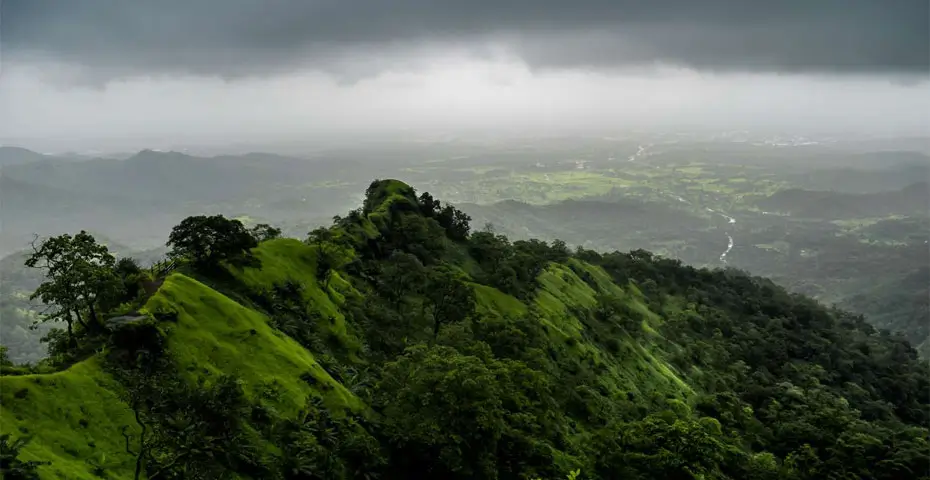
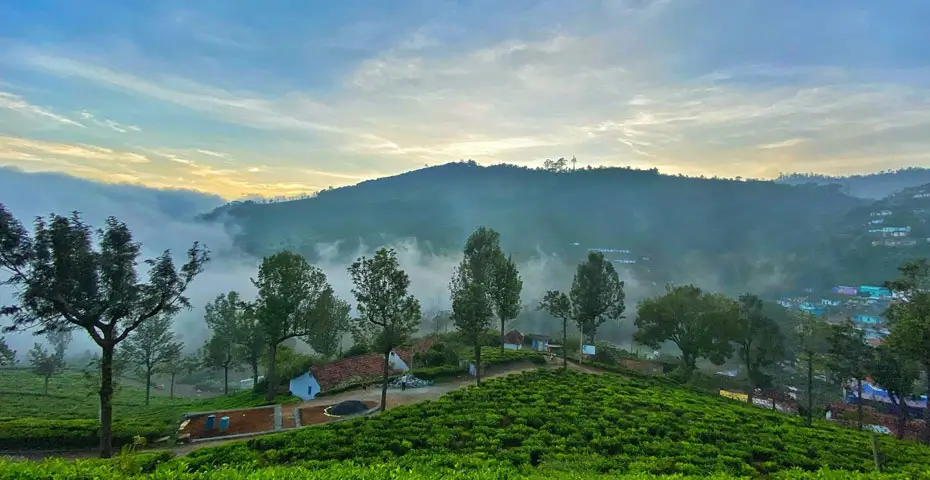
This is the headline. The monsoon brings India to life. Dry plains turn green, hillsides become lush, rivers and lakes fill, waterfalls run, and the countryside takes on a vivid, saturated beauty it simply does not have in the dry months. Photographers and lovers of landscape often consider this the most beautiful version of India there is.
India's most famous monuments and destinations are noticeably quieter during the monsoon. To see a great fort, palace or landmark with space to breathe, without the high-season crowds, is a genuine luxury. The experience of these places changes entirely when you are not sharing them with throngs of visitors.
The monsoon has a mood. The light is softer, the pace is gentler, and there is something deeply atmospheric about watching rain fall over an ancient courtyard or a green valley from a comfortable, beautiful vantage point. For travellers who want India to feel reflective and unhurried rather than busy, the monsoon delivers exactly that.
The rainy season is considered off-season in much of India, which often means better availability at the finest hotels and, frequently, more attractive rates. The opportunity to stay in exceptional properties with greater ease is a real advantage of monsoon travel.
The rains break the heat. After the intensity of the Indian summer, the monsoon brings cooler, fresher air, and there is a particular pleasure in the cleansed atmosphere that follows a downpour.
Choosing the right destinations is what separates a wonderful monsoon journey from a frustrating one. Some parts of India are at their absolute best in the rains, while others are better saved for another season.
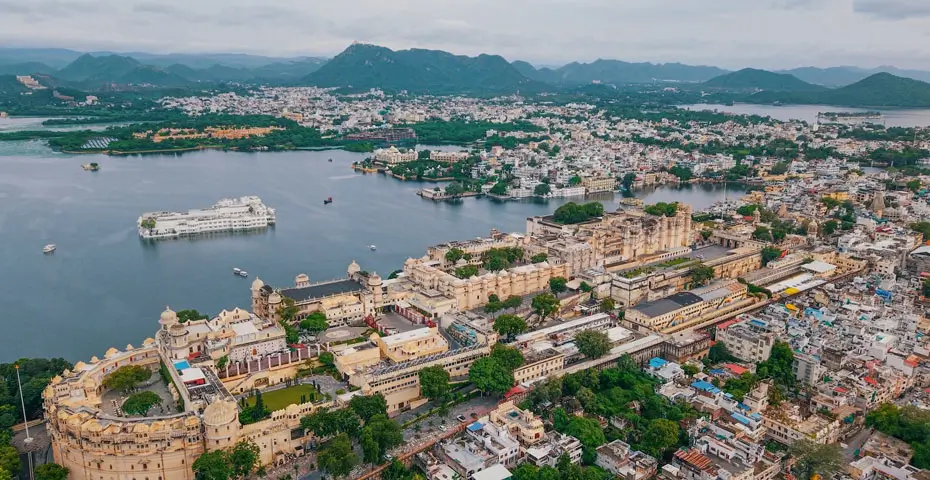
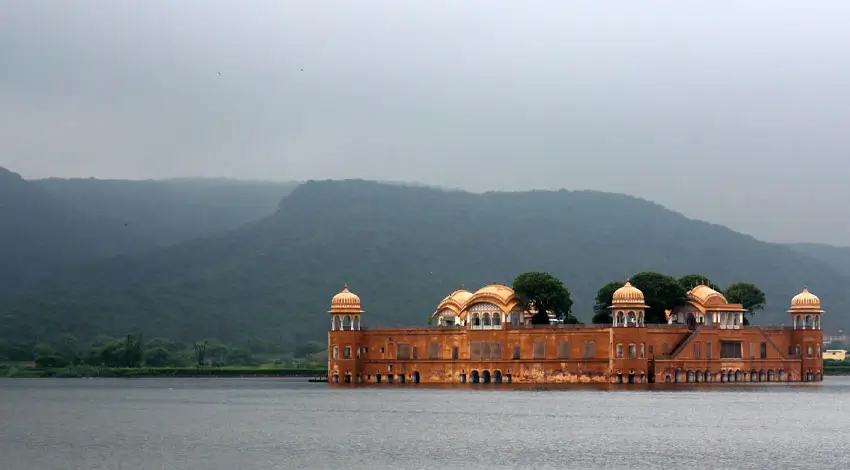
Rajasthan during the monsoon is a quiet revelation. The state receives less rain than many parts of India, and what rain it does receive transforms its normally arid landscape into something green and softened. The forts and palaces look magnificent against a green and dramatic sky, the famous sites are far quieter, and cities such as Udaipur, with its lakes brimming, are especially lovely. For travellers who think of Rajasthan only as a winter destination, the monsoon offers a fresh and rewarding perspective.
India's hill stations and mountain regions take on a misty, romantic character during the monsoon, with cloud drifting through green valleys. These regions are atmospheric and beautiful in the rains, though some mountain areas see heavy rainfall, so careful destination choice within this category matters.
Kerala has a long association with the monsoon, and the season has a particular significance there. The backwaters, the greenery and the lush landscape are at their most vivid. The monsoon is also traditionally considered an auspicious time for certain wellness and Ayurvedic treatments in Kerala, drawing travellers specifically for this purpose.
Some regions of India experience very heavy monsoon rainfall, which can affect travel and access. This does not make them off-limits, but it does mean a monsoon itinerary should be planned with regional weather patterns clearly in mind. This is precisely where expert local planning earns its value, steering a journey towards the regions and routes that shine in the rains and away from those better visited at another time.
Experience India's Monsoon in Unmatched Luxury
Discover a side of India that few travelers experience. From mist-covered palaces and emerald tea gardens to tranquil backwaters and rain-washed heritage cities.
A good guide is an honest one, so here is a balanced picture of monsoon travel.
You should expect rain, and you should expect some flexibility to be necessary. An outdoor plan may occasionally need to shift by a few hours or to another day. Humidity is higher in the monsoon, particularly in coastal and low-lying areas. Some specific activities and remote routes may be limited in the wettest regions. Certain wildlife parks have seasonal closures during the monsoon, so a journey focused on wildlife needs particular care in its timing and choice of destination.
None of this should discourage the right traveller. It simply means monsoon travel rewards good planning, a flexible and unhurried mindset, and the support of people who know the season well. Approached this way, the rain becomes part of the experience rather than an obstacle to it.
A few sensible preparations make monsoon travel comfortable. Pack quick-drying clothing, a light and packable rain jacket, a compact umbrella and water-friendly footwear, with our dedicated packing guide covering this in full. Protect electronics and documents with dry bags or zip pouches. Build a little flexibility into your expectations, so a weather-related adjustment feels like part of the rhythm rather than a disruption. And lean on a well-planned itinerary, which absorbs the season's variability far better than a rigid schedule.
The monsoon is the season where the difference between travelling independently and travelling on a well-arranged private journey is at its most pronounced.
A private operator with deep local knowledge plans your itinerary around the season's realities, choosing regions and routes that are beautiful and reliable in the rains. The itinerary is built with sensible flexibility, so an afternoon downpour means a comfortable adjustment rather than a ruined plan. A private car and driver mean you are never caught waiting in the rain for transport, and you move between sheltered, comfortable places with ease. Your guide knows the best times of day to visit each site to work with the weather, and indoor and atmospheric experiences are woven in for the wettest moments.
Perhaps most importantly, a private journey lets you enjoy the monsoon's great pleasure, which is watching the rain rather than battling it. From the comfort of a beautiful hotel, a heritage courtyard or a well-timed vantage point, the monsoon becomes a thing of beauty. The operator carries the planning and the flexibility so you carry none of it.
There is a particular satisfaction in experiencing a place at a time most visitors overlook. Visiting India in the monsoon offers exactly that: the country greener and more beautiful than at any other time, its great sites quieter, its finest hotels more available, its mood slower and more atmospheric. For the traveller willing to embrace a little rain and a little flexibility, and ideally to travel with the support of expert planning, the monsoon is not a compromise. It is one of India's best-kept secrets.
If you are intrigued by the idea of India in the rains, let us design a private, tailored monsoon journey for you. We know which regions shine in the season, build itineraries with sensible flexibility, and arrange comfortable, beautiful stays from which the monsoon can be enjoyed rather than endured. Get in touch to begin planning a luxury monsoon journey through India.
The monsoon broadly runs from around June to September, though the exact timing varies by region as the rains move across the country.
No. In most places, monsoon weather brings periods of rain, often heavy but frequently passing, interspersed with bright, clear skies. Constant all-day rain is not typical of most regions.
For the right traveller, yes. The monsoon brings lush green landscapes, fewer crowds, fresher air and better hotel availability. It rewards good planning and a flexible mindset.
The rains make landscapes beautiful, thin the crowds at major sites, bring cooler air, and often offer better availability and rates at fine hotels, all of which suit a discerning traveller.
Rajasthan is a quiet revelation in the rains, the hill stations become misty and romantic, and Kerala and the south are lush and atmospheric. Destination choice should account for regional rainfall.
Yes. Rajasthan receives less rain than many regions, and the rains turn its arid landscape green. The forts and palaces look magnificent against dramatic skies, and the sites are far quieter.
Some regions experience very heavy monsoon rainfall, which can affect travel and access. These are not off-limits, but a monsoon itinerary should be planned with regional weather patterns in mind.
Pack quick-drying clothing, a light packable rain jacket, a compact umbrella, water-friendly footwear, and dry bags to protect electronics and documents.
Yes, humidity is higher during the monsoon, particularly in coastal and low-lying areas. Quick-drying fabrics and comfortable, breathable clothing help.
Some wildlife parks have seasonal closures during the monsoon. A wildlife-focused journey needs particular care in its timing and choice of destination.
Kerala has a strong monsoon tradition, with its backwaters and landscape at their most lush. The season is also traditionally considered auspicious for certain wellness and Ayurvedic treatments.
Occasionally an outdoor plan may need to shift by a few hours or to another day. A flexible, well-planned itinerary absorbs this easily, and many sights are beautiful in the rain.
The monsoon is off-season in much of India, which often means better availability at the finest hotels and frequently more attractive rates.
Yes. Many photographers consider the monsoon the most beautiful version of India, with vivid green landscapes, dramatic skies and soft, atmospheric light.
A sensible degree of flexibility helps, so a weather-related adjustment feels like part of the rhythm. A well-planned private itinerary builds this flexibility in.
A private operator plans around the season's realities, chooses regions that shine in the rains, builds in flexibility, provides private transport, and arranges comfortable stays from which the monsoon can be enjoyed rather than endured.