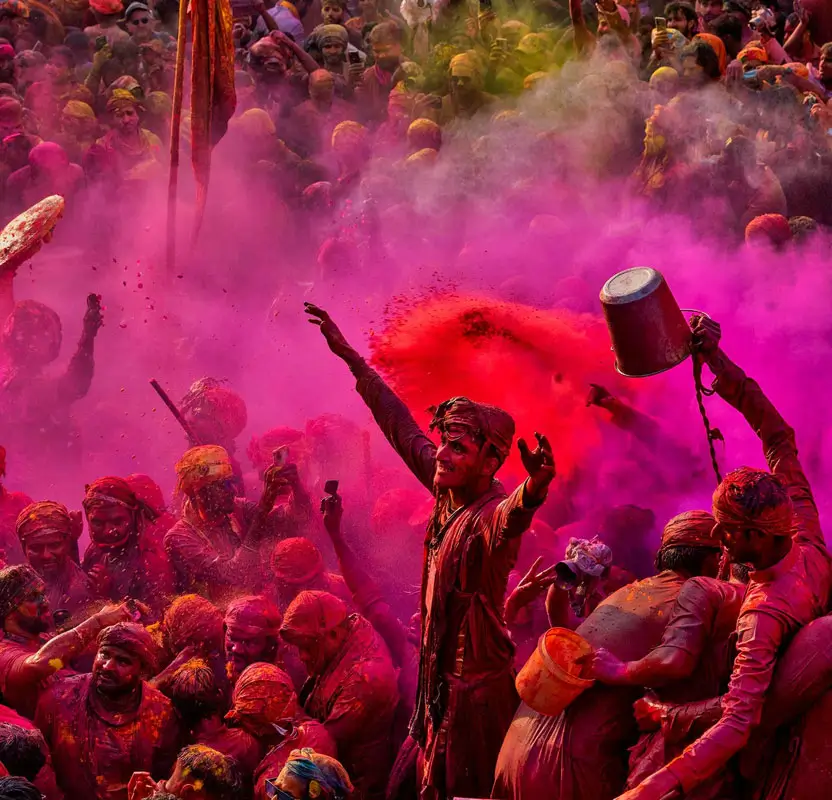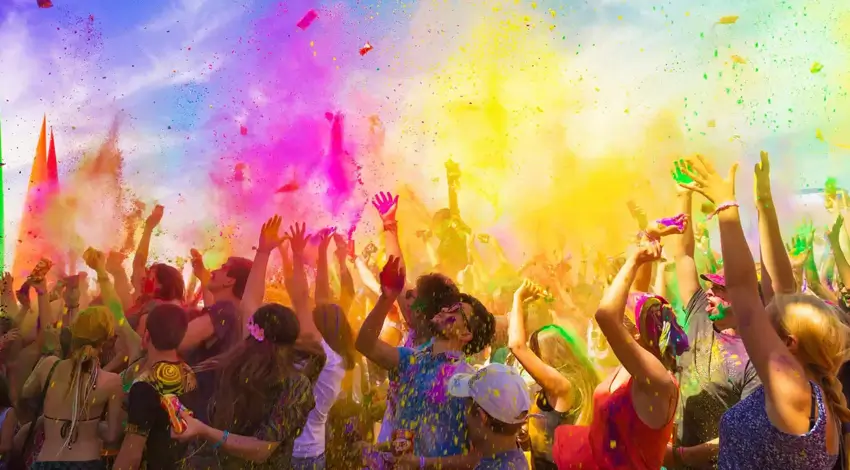
Holi is not merely a celebration—it is a moment when India collectively steps out of routine and into joy. Streets turn into open gathering spaces, social boundaries soften, and color becomes a shared language. For travelers, visiting India during the Holi Festival offers an opportunity to witness the country at its most expressive, spontaneous, and emotionally open.
Celebrated at the transition between winter and spring, Holi marks renewal, togetherness, and the triumph of positivity over negativity. While photographs of color-filled crowds often dominate online imagery, the real experience of Holi is far more layered. It blends mythology, seasonal change, regional traditions, music, food, and deeply rooted community rituals.
For visitors, understanding when, where, and how to experience Holi responsibly makes the difference between a chaotic encounter and a meaningful cultural memory.
Holi does not follow a fixed Gregorian calendar date. Instead, it is determined by the Hindu lunar calendar and is celebrated on Phalgun Purnima, the full moon night that typically falls in late February or March.
The festival unfolds over two primary days:
In many regions, particularly in North India, celebrations may extend beyond these two days with local variations and pre-Holi rituals.
Because dates shift each year, travelers planning around Holi should confirm exact dates well in advance to align flights, accommodation, and movement between cities.
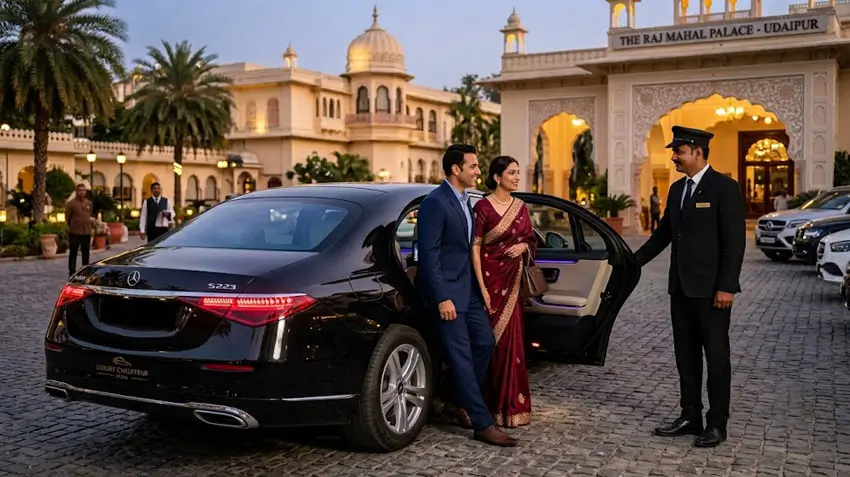
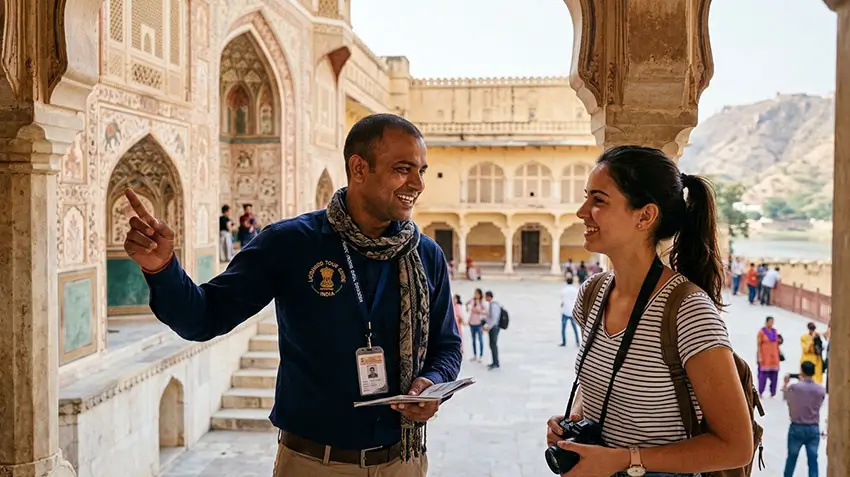
Celebrate the vibrant Holi festival in India with private guides, safe celebrations, luxury hotels, and exclusive cultural experiences.
Holi is deeply symbolic and draws meaning from multiple layers of Indian mythology and seasonal tradition.
One of the most widely told stories is that of Prahlad and Holika, representing the victory of faith and goodness over arrogance and cruelty. The ritual of Holika Dahan symbolizes the burning away of negativity, ego, and past burdens.
Another popular legend comes from the life of Lord Krishna and Radha, where playful coloring became an expression of love and equality. This story is why Holi is often associated with joy, romance, and human connection.
Beyond mythology, Holi also marks the end of winter and the arrival of spring, a time traditionally associated with harvest, abundance, and renewal. In this sense, Holi belongs not just to religion, but to the rhythm of nature and society itself.
Holi celebrations vary widely depending on region, community, and local tradition. What remains constant is the spirit of participation.
On the day of colors, people gather in the morning to celebrate with:
Public celebrations typically peak by midday, after which families and friends retreat indoors to clean up, rest, and share meals.
Food plays a central role during Holi. Traditional sweets, snacks, and drinks appear across regions, adding a sensory richness to the celebration. In some areas, thandai, a spiced milk-based drink, is commonly shared as part of the festivities.
Despite the outward chaos, Holi follows an unspoken rhythm—early energy, communal celebration, and quiet recovery later in the day.
While Holi is celebrated across India, the intensity and character of the festival differ significantly by region.
North India generally sees the most visible and energetic celebrations. Towns and cities across Rajasthan, Uttar Pradesh, Delhi, and parts of Madhya Pradesh are known for their immersive Holi traditions.
Smaller towns often provide more intimate and culturally rooted experiences, while larger cities host a mix of street celebrations and organized events. In contrast, southern and northeastern regions observe Holi more quietly, often within specific communities rather than as citywide events.
For travelers, choosing the right location matters just as much as choosing the right date.
Not every destination offers the same balance of celebration, safety, and cultural authenticity. Some places are better suited for visitors than others.
Smaller heritage towns and culturally conscious cities tend to offer:
Larger urban centers may host ticketed events and private celebrations that provide structure and security, especially for first-time visitors.
Public street celebrations in extremely crowded religious centers can feel overwhelming and may not always be suitable for all travelers, particularly solo visitors or those unfamiliar with local dynamics.
A thoughtfully chosen location ensures that Holi becomes a joyful cultural exchange rather than a stressful experience.
Holi is a national festival, but its expression is deeply regional. Understanding these differences helps travellers choose destinations that match their comfort level, cultural interest, and travel style.
In North India, Holi is a full-scale public celebration. Streets become gathering points, music fills neighborhoods, and participation is spontaneous. Rajasthan, Uttar Pradesh, and parts of central India are especially known for immersive celebrations where locals actively welcome participation.
In Rajasthan, Holi often blends color play with heritage settings. Palace towns and historic cities celebrate with a mix of community events, temple rituals, and social gatherings. The atmosphere tends to be festive yet visually elegant, making it appealing to culturally curious travellers.
In Uttar Pradesh, particularly in towns associated with Krishna lore, Holi takes on a ritualistic and symbolic form. Celebrations may stretch across several days, with unique local customs layered onto the main festival. While culturally rich, these regions can become extremely crowded, requiring careful planning and local guidance.
In metropolitan cities such as Delhi, Mumbai, and Jaipur, Holi celebrations are more structured. Alongside street celebrations, many private venues host organized events with music, food, and controlled environments. These settings often appeal to international travellers looking for a balance between celebration and predictability.
In southern India, Holi is observed more quietly and is usually limited to specific communities or cultural spaces. Travellers in the south during Holi may witness smaller celebrations rather than city-wide events.
Holi is generally safe for travellers when approached with awareness and preparation. However, it is important to understand that the festival brings large crowds, heightened energy, and altered daily routines.
Public transportation may be limited or delayed, especially in the first half of the day. Many shops and offices close or operate on reduced schedules. Streets can be wet, slippery, and crowded during peak celebration hours.
Travellers are advised to:
Organized celebrations or guided experiences offer a safer and more controlled way to participate, especially for first-time visitors.
Holi is built on participation, but respect remains central. Travellers who observe a few simple principles are often welcomed warmly.
Participation is generally welcomed when:
It is considered respectful to avoid throwing color on people who are not participating or appear uncomfortable. Asking with a smile or waiting for invitation is always appreciated.
Photography should be approached thoughtfully. While Holi is visually striking, always seek consent before close-up photographs, especially of individuals or families.
Clothing plays an important role during Holi. Colors used during the festival may stain permanently, so travellers should dress with practicality in mind.
Loose, comfortable clothing made from breathable fabrics works best. Many people choose light-colored outfits to highlight the colors, while others prefer darker tones for ease of cleaning. Wearing older clothes that can be discarded later is common practice.
Footwear should be secure and washable. Sunglasses help protect eyes, and a scarf or cap can provide basic protection for hair. Applying oil or moisturizer to skin and hair before celebrations can make cleaning easier afterward.
Enjoy a refined Holi experience with private celebrations, curated cultural events, luxury accommodations, and safe, comfortable travel across India with expert support.
Holi is closely tied to food and hospitality. Families often prepare traditional sweets and snacks, sharing them with friends and neighbors. Street food stalls are common in many areas, adding to the celebratory mood.
Travellers should be mindful of hygiene and personal tolerance when sampling food during the festival. Eating at trusted establishments or within organized settings is advisable.
Some regions serve traditional festive drinks during Holi. Travellers unfamiliar with local ingredients should consume cautiously and in moderation.
Holi works best as a planned highlight, not an isolated event. Many travellers structure their India itinerary so that Holi coincides with a culturally rich destination, followed by quieter travel days for rest and exploration.
Popular itinerary patterns include:
A well-paced itinerary ensures that Holi enhances the journey rather than disrupts it.
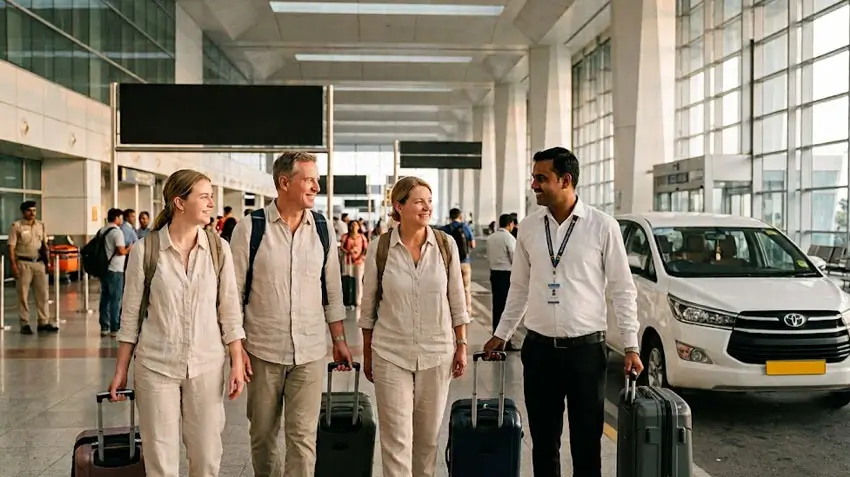
Travel planners experienced with festival logistics can help align destinations, accommodations, and transit plans to minimize inconvenience while maximizing cultural value.
For travellers interested in culture, community, and shared human experiences, Holi offers something few festivals can. It breaks down barriers, invites participation, and reveals India in a moment of collective joy.
However, the experience is most rewarding when approached with understanding, preparation, and respect. Choosing the right destination, timing movements carefully, and engaging thoughtfully with local customs transforms Holi from a chaotic spectacle into a meaningful cultural memory.
With the right planning, visiting India during the Holi Festival becomes not just a highlight of a trip—but a story carried long after the colors fade.
Holi is celebrated on the full moon day of the Hindu month of Phalgun, usually falling in late February or March. The exact date changes every year based on the lunar calendar.
Holi is officially a two-day festival. The first day is Holika Dahan, marked by bonfires, followed by Rangwali Holi, the day of colors and celebrations.
Yes, travelling during Holi is generally safe when planned carefully. Staying in well-located accommodations, avoiding overcrowded areas, and following local advice ensures a comfortable experience.
North Indian cities and heritage towns such as those in Rajasthan and Uttar Pradesh are known for vibrant Holi celebrations. Many travellers prefer culturally rich yet manageable destinations over extremely crowded centers.
Holi is celebrated across most of India, though the intensity varies by region. Northern and central India observe it more prominently, while southern regions celebrate it on a smaller scale.
Comfortable, breathable clothing that can handle stains is ideal. Many people wear older clothes, as colors may not wash out completely.
Most traditional colors are safe, especially organic ones. Travellers are advised to avoid synthetic or permanent colors and apply oil or moisturizer beforehand for protection.
Yes, solo travellers can enjoy Holi, especially in organized events or smaller community settings. Staying aware of surroundings and celebrating in groups is recommended.
Public transport is often limited or disrupted during Holi, especially in the morning. It is best to avoid long-distance travel on the day of the festival.
Holika Dahan is the bonfire ritual held on the eve of Holi. It symbolizes the victory of good over evil and the cleansing of negativity before the festival of colors.
Yes, many cities host organized Holi events with music, food, and controlled environments. These are often safer and more structured for visitors.
Holi can be enjoyed by families when celebrated in private or organized settings. Parents should ensure children are protected from crowds and harsh colors.
Photography is common during Holi, but travellers should always ask for consent before taking close-up photos of individuals or families.
Holi works best as a planned highlight within a broader itinerary, followed by quieter travel days for rest and sightseeing to balance energy levels.