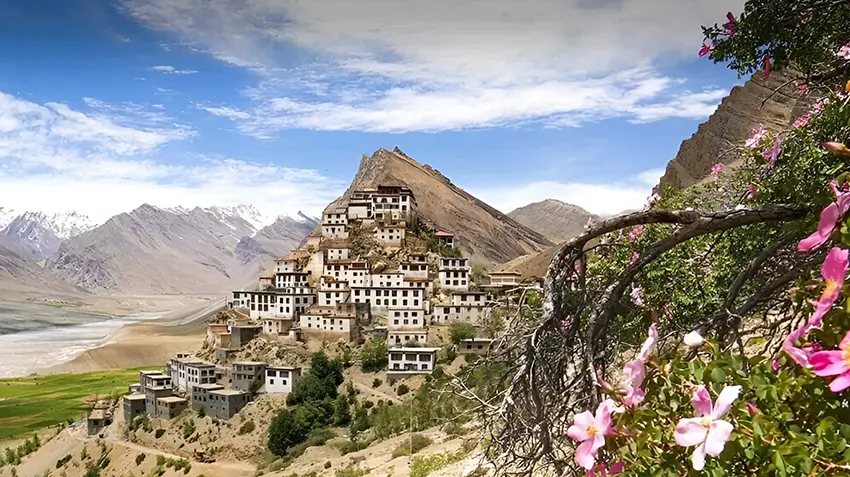
Slow travel in India is not a trend; it is a natural response to the country’s depth, scale, and emotional richness. India is not designed to be rushed. Every region unfolds gradually, revealing layers only when travelers allow themselves the luxury of time. Slow travel shifts the purpose of a journey from seeing places to living within them, even if only temporarily. It values routine over rush, familiarity over novelty, and connection over consumption.
Travelers who choose slow travel in India often describe a sense of calm that emerges after the initial days. Streets begin to feel familiar, faces become recognizable, and daily rhythms replace itinerary pressure. This approach allows travelers to engage with India as a lived environment rather than a checklist of highlights.
Slow travel is especially rewarding in India because the country’s cultural, social, and geographical diversity cannot be absorbed quickly. Staying longer allows travelers to understand context, nuance, and local life in ways short visits never allow.
In India, slow travel is deeply connected to everyday life. It means waking up without urgency, observing morning rituals, returning to the same market, and noticing small changes in daily routines. It is about understanding how people live rather than just where they live.
Slow travel does not eliminate sightseeing; it reframes it. Instead of covering multiple cities in rapid succession, travelers choose fewer locations and explore them thoroughly. This might involve spending a week or more in one town, learning its rhythms, and forming temporary routines.
India’s social fabric rewards this approach. Relationships form naturally over repeated interactions, whether with shopkeepers, café owners, or neighbors. Over time, travelers feel less like visitors and more like participants in daily life.
India’s structure supports slow travel organically. Daily life is deeply ritualized, with predictable patterns that reveal themselves over time. Markets open at specific hours, temples follow precise schedules, and neighborhoods follow unspoken rhythms.
Geographically, India offers clusters of destinations close enough to explore gently. Hill regions, cultural corridors, coastal belts, and heritage zones allow travelers to base themselves in one location while exploring surrounding areas slowly.
Slow travel also aligns with India’s social nature. Conversations unfold gradually. Trust builds over repeated encounters. Staying longer enhances cultural understanding and mutual comfort.
Enjoy relaxed itineraries, boutique stays, and authentic cultural experiences. Connect with our travel experts now.
Rajasthan is often perceived as fast-paced due to its popular tourist circuit, but slow travel reveals a completely different side. Staying longer in heritage towns allows travelers to experience daily life beyond forts and palaces.
Living within old neighborhoods, observing morning temple rituals, and watching artisans work over days rather than minutes reveals Rajasthan’s living heritage. Smaller towns and countryside areas reward time with quiet streets, unhurried conversations, and deep cultural continuity.
Slow travel in Rajasthan allows travelers to experience desert life, craftsmanship, and community rhythms without the pressure of constant movement.
Kerala naturally supports slow travel. Its lifestyle values balance, routine, and calm. Staying longer in backwater towns or coastal villages allows travelers to align with daily rhythms shaped by water, weather, and tradition.
Morning walks along canals, afternoons spent resting, and evenings observing village life create a sense of belonging. Inland roads connect small communities where time moves gently rather than urgently.
Kerala’s geography encourages longer stays. Backwaters, beaches, and hill regions complement each other, allowing varied experiences without long travel days.
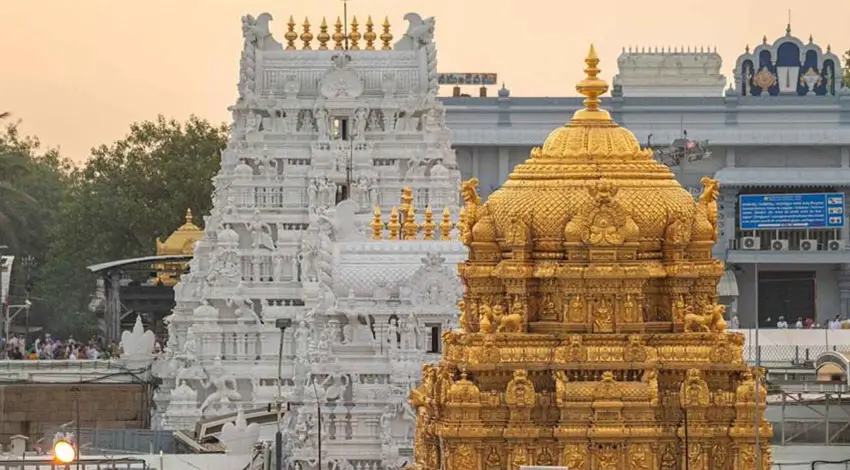
South India rewards slow travel through repetition and routine. Temple towns reveal their essence gradually, through daily rituals, seasonal changes, and local life.
Staying longer allows travelers to understand how spiritual practices shape daily routines. Visiting the same temple at different times of day reveals changing atmospheres and deeper meaning.
Slow travel here emphasizes observation rather than accumulation. Cultural understanding deepens with time and familiarity.
India’s hill regions support slow travel through climate, geography, and lifestyle. Cooler temperatures encourage outdoor activity, walking, and rest.
Extended stays in hill towns allow travelers to develop daily routines centered around nature. Morning walks, café visits, reading, and local exploration replace hurried sightseeing.
Hill regions reward those who stay longer by offering peace, perspective, and connection to environment.
India’s coastlines are often experienced briefly, but slow travel reveals deeper layers. Staying longer in coastal towns allows travelers to witness daily fishing routines, local markets, and community life.
Life by the sea follows natural rhythms dictated by tides and seasons. Slow travel allows travelers to align with these rhythms rather than just observe them.
Extended coastal stays encourage relaxation, reflection, and genuine connection to place.
Central India is ideal for travelers seeking authenticity and depth. Often overlooked, this region rewards slow travel with cultural continuity and understated beauty.
Staying longer in heritage towns allows travelers to observe daily life unaffected by heavy tourism. Markets, crafts, and local interactions reveal India’s quieter heart.
Slow travel here emphasizes humility and observation rather than spectacle.
Length of stay fundamentally alters perception. The first few days in any place are spent adjusting. After that, understanding begins.
Staying longer allows travelers to move beyond initial impressions and stereotypes. Subtle details become visible. Daily inconveniences fade, replaced by comfort and familiarity.
Travel becomes less about novelty and more about connection.
Routine is often misunderstood as monotony. In slow travel, routine creates stability and freedom.
Knowing where to buy breakfast, where to walk in the evening, and when markets open reduces decision fatigue. This mental ease allows deeper engagement with surroundings.
Routine supports reflection, creativity, and rest.
Tell us your travel style and we will craft a relaxed, immersive and memorable India journey just for you.
Food becomes deeply meaningful during slow travel. Eating at the same places allows travelers to understand flavors, ingredients, and local preferences.
Seasonal dishes appear and disappear. Relationships with cooks and vendors form naturally.
Food becomes part of daily life rather than a tourist activity.
Slow travel reduces anxiety and overstimulation. Without constant movement, travelers feel grounded.
Emotional space opens for reflection, creativity, and genuine enjoyment. Travel becomes restorative rather than exhausting.
Many travelers describe slow travel in India as transformative rather than entertaining.
Staying longer encourages respectful engagement. Travelers learn local norms, adapt behavior, and become less intrusive.
This mutual respect enhances experiences for both visitors and communities.
Slow travel supports sustainable tourism by distributing attention and economic benefit over time.
Not every place suits slow travel. Ideal locations offer walkability, daily life, and access to varied experiences without constant relocation.
Choosing accommodation within local neighborhoods rather than tourist zones enhances immersion.
The right base allows exploration outward without pressure.
Slow travel values balance. Exploration is paired with rest.
Not every day needs activity. Allowing empty time invites unexpected moments and deeper engagement.
This balance supports long-term travel well-being.
Repeat travelers often seek depth rather than highlights. Having seen major attractions, they want to understand daily life.
Slow travel fulfills this desire by allowing familiarity to develop.
India, with its complexity, rewards this approach immensely.
In slow travel, time becomes the most valuable luxury. Freedom from schedules allows genuine experience.
India responds generously to those who give it time.
Slow travel transforms travel from consumption into connection.
Slow travel focuses on staying longer, moving gently, and engaging deeply with daily life.
Many travelers prefer stays of one week or more to develop familiarity and routine.
Yes, slow travel helps first-time visitors adjust and understand India gradually.
Rajasthan, Kerala, South India, hill regions, and cultural towns are ideal.
No, it enhances experiences by allowing deeper engagement.
It can be, as longer stays often reduce frequent transport costs.
Yes, especially when travelers stay longer and become familiar with their surroundings.
Yes, families benefit from routine, comfort, and reduced fatigue.
Yes, it encourages respectful, long-term engagement with local communities.
Because India reveals its true character only with time.