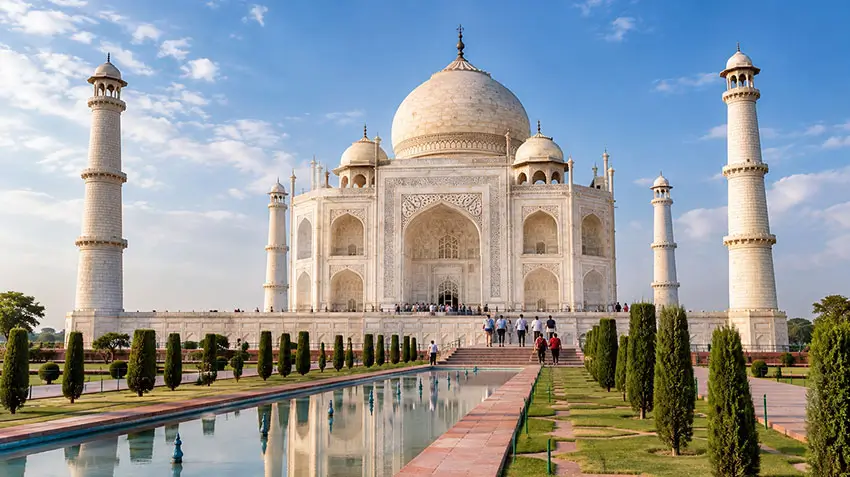
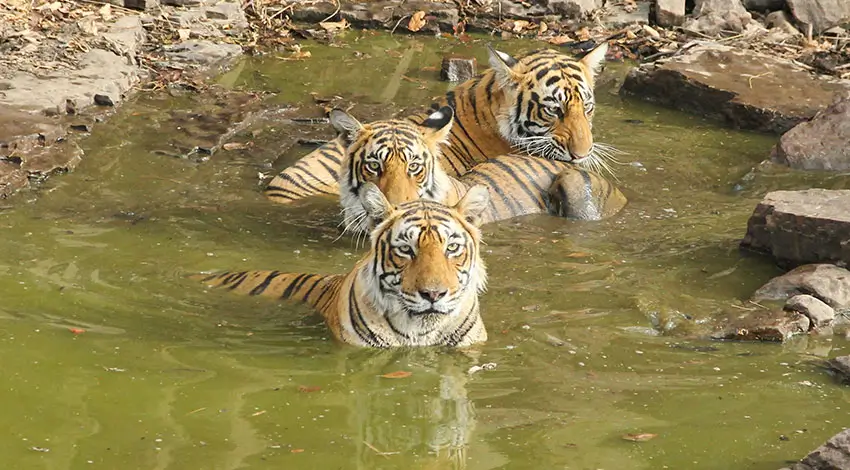
Ranthambore National Park is one of India's most famous destinations for wildlife enthusiasts and luxury travelers who dream of seeing the Royal Bengal Tiger in the wild. Located in Rajasthan's Sawai Madhopur district, the park offers a unique combination of wildlife, ancient history, lakes, forests, and dramatic landscapes.
Unlike many wildlife destinations where the forest experience is the main attraction, Ranthambore creates a completely different atmosphere because nature exists alongside centuries-old heritage. The historic Ranthambore Fort overlooks the national park, creating a rare setting where visitors can watch wildlife moving through landscapes that have witnessed centuries of history.
A Ranthambore tiger safari is considered one of the most exciting wildlife experiences in India, but many travelers arrive with one important question: which safari zone provides the best chance of seeing a tiger?
The answer is not as simple as choosing one zone because tigers are wild animals and their movement changes constantly. No safari zone can guarantee a tiger sighting. However, understanding the characteristics of each zone helps travelers select better safari strategies and have more realistic expectations.
Ranthambore's tourism areas are divided into different zones to manage visitor movement and protect wildlife habitats. Each zone has its own landscape, water sources, forest density, and tiger territories.
Some zones are famous because several well-known tigers have occupied those areas over the years. Some zones offer beautiful landscapes and fewer vehicles. Some newer tourism areas have also produced excellent sightings.
For luxury travelers staying at properties such as The Oberoi Vanyavilas Wildlife Resort, Aman-i-Khas Ranthambore, or Sher Bagh Ranthambore, understanding the safari zone system helps create a better wildlife experience.
A successful safari is not only about the zone number. It depends on the combination of the zone, guide knowledge, season, weather, safari timing, and patience.
Before understanding individual zones, travelers should know how the booking system works.
Ranthambore safari zones are allocated through the official booking system. When visitors reserve a safari, they can select preferences depending on availability, but the final allocation is controlled according to government rules and operational requirements.
The park is divided into ten tourism zones. Zones 1 to 5 are traditionally considered the core tourism zones, while zones 6 to 10 are generally referred to as outer or buffer zones.
The core zones became famous because many popular tiger territories and iconic landscapes are located there. However, outer zones have also developed a strong reputation for wildlife sightings.
The idea that only the first five zones provide good sightings is outdated. Tigers do not understand zone boundaries. Their territories can change, and individual animals may move between different areas.
Experienced naturalists often study recent movement patterns rather than depending only on historical reputation.
The best strategy for travelers is usually to book multiple safaris during their stay. A guest staying for three nights and taking four to six safari drives has a better chance of experiencing different landscapes and wildlife behaviour.
Safari timing also plays an important role. Morning and afternoon drives offer different conditions, and animal activity changes depending on temperature, season, and water availability.
Choose the right safari zones, accommodation, and safari schedule for your Ranthambore adventure. Let our experts create a personalized wildlife itinerary with luxury stays, private transfers, and expert naturalist-led safaris.
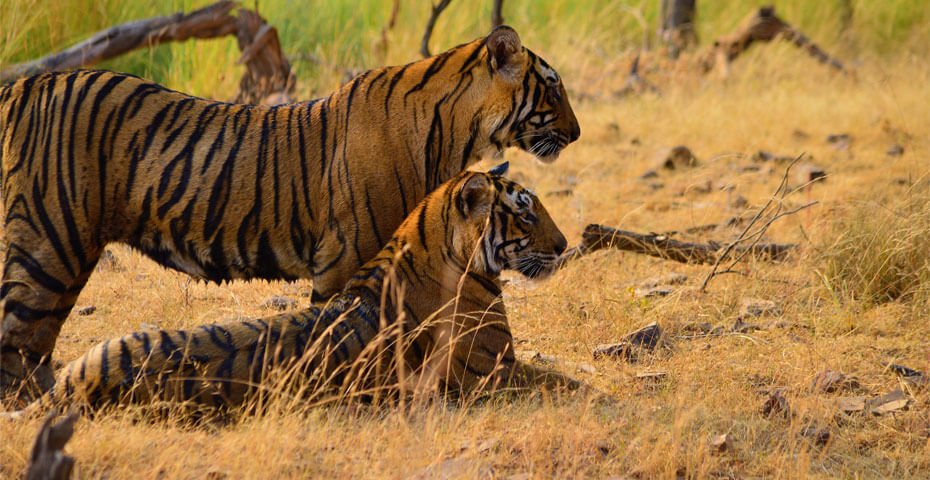
Zone 1 is one of the most recognised safari areas of Ranthambore and has remained popular among wildlife enthusiasts because of its historical tiger activity.
The landscape of Zone 1 includes a mixture of dry deciduous forest, open areas, rocky terrain, and water sources. This variety creates a suitable environment for different wildlife species and provides excellent opportunities for photographers.
The zone has been associated with several tiger territories over the years, which has contributed to its reputation among visitors. Tigers often choose areas based on availability of prey, water, shelter, and territory requirements.
During warmer months, water sources become especially important because animals spend more time near lakes and watering areas. This can sometimes improve visibility because wildlife movement becomes more predictable.
During winter months, pleasant temperatures allow animals to move throughout larger areas, and early morning light creates excellent photography conditions.
Zone 1 is not only about tiger sightings. Visitors may also encounter spotted deer, sambar deer, wild boars, langurs, crocodiles, and numerous bird species.
For photographers, Zone 1 offers attractive compositions because the landscape changes between forest areas and open spaces. The combination of wildlife and Rajasthan's natural scenery creates memorable safari photographs.
Luxury travelers should understand that even a famous zone requires patience. A tiger may appear within the first few minutes of a safari or may remain hidden throughout the entire drive. Wildlife follows natural behaviour, not visitor expectations.
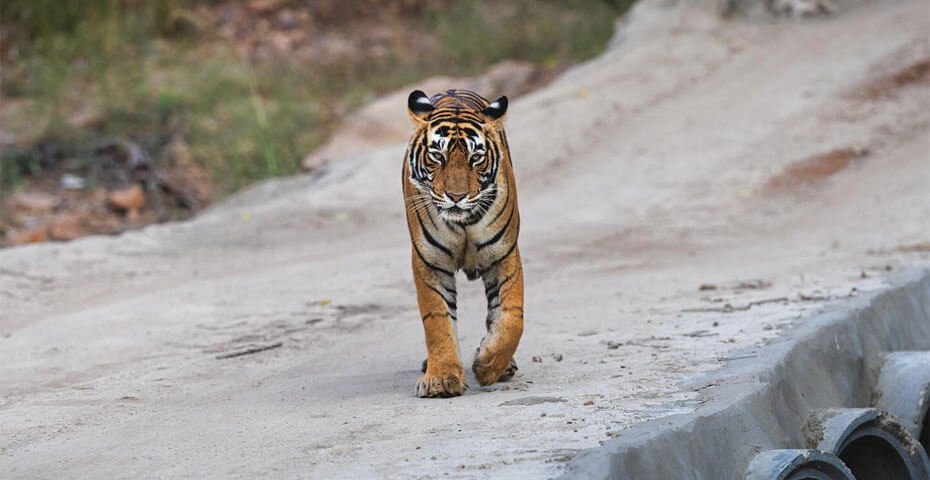
Zone 2 is considered one of the most talked-about safari zones in Ranthambore because of its long association with tiger sightings and attractive wildlife landscapes. Among regular safari visitors, photographers, and naturalists, Zone 2 has developed a strong reputation because several memorable tiger encounters have taken place in this area.
The landscape of Zone 2 is one of its biggest advantages. The zone includes a combination of lakes, open grassland areas, forest patches, rocky sections, and water sources that create a suitable environment for wildlife movement. The presence of water bodies plays an important role, especially during the hotter months when animals often move closer to these locations.
The terrain of Zone 2 allows better visibility compared with some denser forest areas. This makes it appealing for travelers who want a more open safari experience where they can scan the surroundings and observe animal behaviour.
Over the years, several well-known tigers have been associated with this region, which has increased its popularity among visitors. However, travelers should understand that the reputation of a zone is based on past patterns and does not guarantee sightings on every safari.
A tiger may spend several days in one area and then move to another part of its territory depending on food availability, breeding behaviour, weather conditions, or interaction with other tigers.
The best safari experience in Zone 2 comes from combining a knowledgeable naturalist with patience. Guides observe signs such as alarm calls from deer, movement of langurs, pugmarks, and recent wildlife activity to increase the possibility of locating animals.
For photographers, Zone 2 is particularly attractive because the combination of water landscapes and wildlife movement can create dramatic images. A tiger walking near a lake or resting in the shade near a water source creates some of the most memorable safari moments.
Apart from tigers, visitors can encounter sambar deer, spotted deer, wild boars, crocodiles, leopards, sloth bears, and various bird species.
For travelers visiting Ranthambore for the first time, Zone 2 is often considered one of the preferred zones because it offers a combination of good wildlife habitat and visually appealing landscapes.
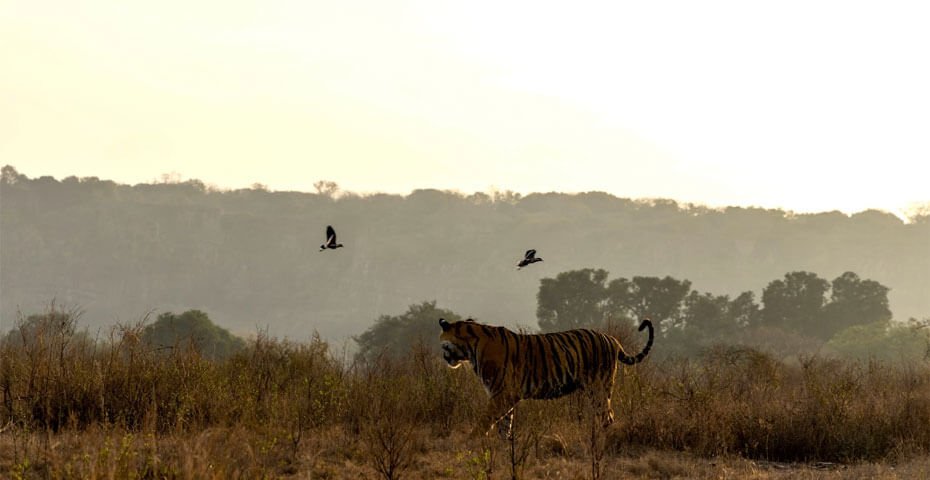
Zone 3 is often regarded as one of the most scenic and iconic safari zones in Ranthambore. The zone has gained worldwide recognition because of its beautiful lakes, historic surroundings, and frequent association with tiger sightings.
The biggest attraction of Zone 3 is its landscape. The zone includes some of Ranthambore's most photographed areas, including views around Padam Talao, Raj Bagh Lake, and surrounding ruins. The combination of water, forest, hills, and ancient structures creates a safari environment that feels unique compared with many other wildlife destinations.
Many travelers consider Zone 3 a dream safari location because it represents the classic image of Ranthambore: a tiger moving through a landscape of lakes, forests, and historic ruins.
The presence of water sources makes this zone especially interesting during warmer periods. Tigers and other wildlife often visit water areas to drink, rest, or move through their territories.
The old Raj Bagh structures add a dramatic background for photography. Capturing a tiger near ancient ruins creates an image that represents both India's natural and historical heritage.
However, because of its popularity, Zone 3 can also experience high demand. Many visitors request this zone because of its reputation and scenery. Availability can therefore be limited, especially during peak travel periods.
A common mistake among travelers is assuming that Zone 3 guarantees a tiger sighting because it is famous. In reality, wildlife remains unpredictable. The zone provides excellent habitat and beautiful scenery, but nature always determines the final outcome.
Experienced guides often focus on reading the forest rather than simply searching famous locations. The sounds of the jungle, movements of prey animals, and fresh signs often provide important clues.
Zone 3 is especially recommended for:
Luxury travelers seeking a classic Ranthambore experience.
Photography enthusiasts who want dramatic landscapes.
First-time visitors who want to experience the iconic side of the park.
Couples looking for a memorable wildlife experience connected with Rajasthan's heritage.
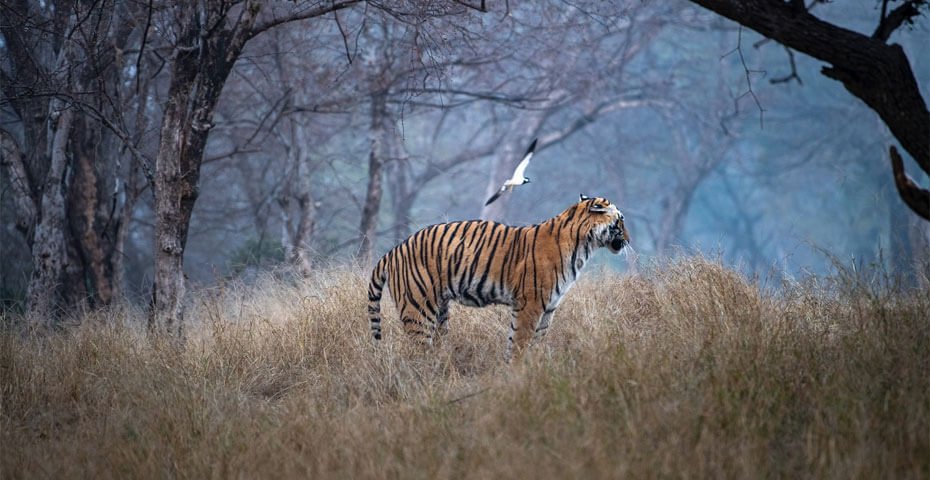
Zone 4 is frequently considered one of the strongest safari zones in Ranthambore because of its historical tiger activity and diverse landscape.
The zone has gained popularity among wildlife enthusiasts because it has supported several tiger territories over the years. Many visitors specifically request Zone 4 because of its reputation for producing memorable encounters.
The landscape includes forest areas, open sections, rocky terrain, and water sources that provide suitable conditions for wildlife. The zone offers a balance between different habitats, allowing visitors to experience a variety of environments during a single safari.
One of the important advantages of Zone 4 is that it provides opportunities to observe natural tiger behaviour. Instead of only seeing a tiger briefly crossing a road, visitors may sometimes observe animals resting, walking through their territory, or interacting with their surroundings.
The experience depends heavily on timing and conditions. Early morning safaris often provide excellent opportunities because animals are active after the cooler night hours. Afternoon safaris can also be rewarding, especially when animals become active as temperatures begin to reduce.
For wildlife photographers, Zone 4 offers a good combination of animal movement and landscape variety. The changing light throughout the day creates different photographic opportunities.
The zone also supports other wildlife species. Visitors may see deer, langurs, birds, crocodiles, and smaller animals that contribute to the complete ecosystem experience.
Travelers should remember that tiger sightings are influenced by many factors. A visitor in a less famous zone may have an exceptional sighting, while someone in a highly recommended zone may not see a tiger during that drive.
This unpredictability is part of what makes wildlife travel exciting.
For serious wildlife enthusiasts spending multiple days in Ranthambore, including Zone 4 in their safari plan can be a valuable choice.
Explore Ranthambore with carefully planned safari drives designed around your wildlife interests. Enjoy comfortable luxury accommodation, private travel arrangements, and multiple safari experiences for a memorable tiger adventure.
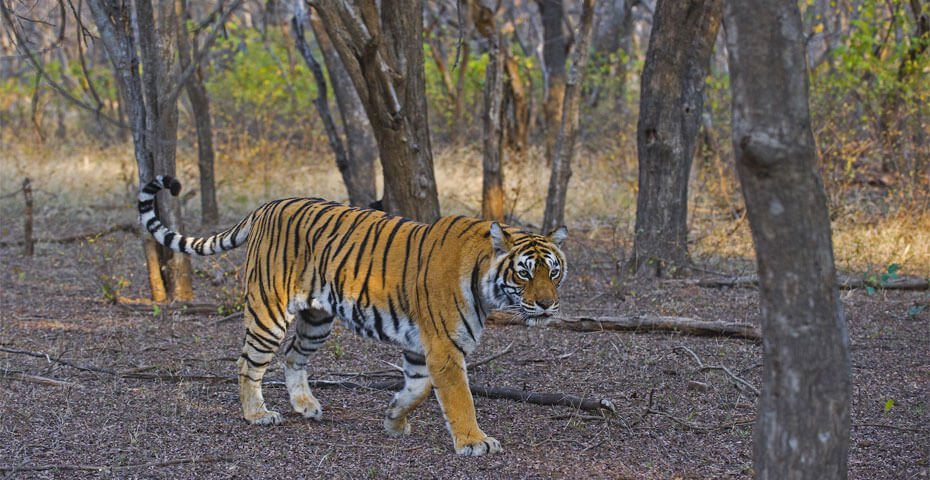
Zone 5 completes the traditional core tourism zones of Ranthambore and provides another interesting safari environment for visitors.
Compared with some of the more famous zones, Zone 5 is sometimes less discussed, but it offers a rewarding wildlife experience with varied landscapes and opportunities for animal sightings.
The zone contains dry forest areas, open spaces, and natural habitats where different wildlife species move freely. It provides a quieter safari atmosphere compared with some highly demanded areas.
For travelers who appreciate the complete jungle experience rather than only focusing on tiger sightings, Zone 5 can be enjoyable because it allows them to observe the ecosystem as a whole.
The safari experience includes searching for wildlife signs, understanding animal behaviour, and enjoying the natural surroundings of Ranthambore.
Tigers can be seen in Zone 5, but sightings depend on current territorial movement. The presence of a tiger population in the broader Ranthambore landscape means every zone has potential.
Zone 5 can be a good option for travelers who have already experienced the famous zones and want to explore another part of the park.
It is also valuable for photographers who enjoy capturing landscapes, birds, and different aspects of wilderness rather than focusing only on tiger portraits.
Many travelers mistakenly believe that only Zones 1 to 5 are worth visiting. This is not accurate. Zones 6 to 10 have developed their own importance and have produced excellent wildlife experiences.
The outer zones were created to manage tourism pressure and provide visitors with additional safari opportunities. Over time, these areas have become recognised for wildlife movement and scenic landscapes.
These zones often provide a different atmosphere compared with the core areas. Some travelers appreciate them because they can feel less crowded and offer a more peaceful safari experience.
Zone 6 is often discussed among wildlife enthusiasts because it has witnessed tiger movement and offers attractive landscapes. The area includes open terrain and views of the surrounding hills, creating a different visual experience from the traditional forest zones.
Zone 7, Zone 8, Zone 9, and Zone 10 also provide opportunities for wildlife sightings. Their reputation changes depending on tiger movement patterns, seasonal conditions, and recent observations.
One advantage of outer zones is that they can sometimes provide a quieter experience. Fewer vehicles and open landscapes can create a more relaxed safari atmosphere.
For travelers staying several nights in Ranthambore, these zones should not automatically be rejected. A good naturalist will consider recent wildlife activity rather than simply focusing on zone numbers.
Choosing the right safari zone is important, but understanding seasonal wildlife behaviour is equally valuable. A zone that performs exceptionally during one period may offer a different experience during another because animal movement changes according to temperature, water availability, and forest conditions.
During the cooler months, generally considered the most comfortable period for visiting Ranthambore, wildlife movement is often spread across different areas of the park. The pleasant weather allows animals to remain active for longer periods during the day. Morning safaris during this time are particularly enjoyable because the soft winter light creates excellent photography conditions.
During the warmer months, water sources become extremely important. As temperatures rise, many animals spend more time near lakes, ponds, and water points. This can sometimes improve visibility because wildlife movement becomes more predictable.
Zones that contain important water sources may become particularly attractive during hot periods. However, this does not mean other zones stop producing sightings. Tigers are territorial animals, and their movements depend on individual behaviour.
The monsoon period requires special consideration because the main tourism season and safari operations follow specific government regulations. Forest conditions become greener, and wildlife behaviour changes after rainfall.
Luxury travelers planning a Ranthambore trip should focus on the overall safari strategy rather than selecting only one zone. Booking multiple safaris across different zones often provides a better chance of experiencing different parts of the ecosystem.
A traveler staying three nights at a luxury lodge may schedule several safari drives, allowing opportunities across different zones and different times of the day.
Wildlife photographers often have different priorities compared with regular visitors. They are not only looking for a tiger sighting but also want the right combination of light, background, animal behaviour, and photographic opportunities.
Zone 3 is particularly popular among photographers because of its iconic landscapes. The combination of lakes, ancient ruins, hills, and forest creates some of the most recognizable Ranthambore images.
A tiger walking near the water with historical architecture in the background creates a unique photograph that represents both wildlife and Rajasthan's heritage.
Zone 2 is also attractive for photographers because of its open landscapes and water areas. The ability to observe animals in broader spaces can provide excellent opportunities for capturing natural behaviour.
Zone 4 is preferred by many serious wildlife photographers because of its reputation for tiger activity and diverse terrain. The variety of landscapes allows photographers to capture different styles of images.
However, photographers should remember that the best photograph is often created through patience rather than only choosing a famous zone. A skilled guide, understanding of animal behaviour, and multiple safari opportunities are more important than any single zone selection.
Professional photographers often spend several days in Ranthambore because wildlife photography depends on timing and opportunity.
The timing of the safari has a major impact on the overall experience. Ranthambore offers two main safari periods: morning and afternoon.
The morning safari usually begins around sunrise. Exact timings change throughout the year because they depend on seasonal sunrise patterns and government regulations. During comfortable weather periods, morning safaris often begin between approximately 6:00 AM and 7:00 AM, while summer timings can be earlier.
Morning safaris are popular because animals are often active after the cooler night period. The lighting conditions are also excellent for photography, with softer sunlight creating better images.
The afternoon safari usually begins later in the day and continues until sunset. Depending on the season, departure times may range from approximately 2:30 PM to 3:30 PM.
Evening safaris provide a different experience. As temperatures reduce, animals may become more active. The changing colours of sunset create beautiful landscapes, especially around lakes and open areas.
There is no guarantee that morning safaris are always better than afternoon safaris. Many experienced wildlife travelers book both because each offers different opportunities.
For luxury travelers, a balanced itinerary with multiple morning and evening safaris usually provides the best overall experience.
Combine thrilling tiger safaris with premium jungle resorts, private transportation, and personalized sightseeing. Create a tailor-made Ranthambore journey that balances wildlife adventure with luxury and relaxation.
The safari booking process for Ranthambore is controlled through official systems, and travelers should understand the process before planning their visit.
Safari bookings usually require traveler details, preferred dates, identification information, and safari category selection.
Visitors generally choose between two main safari vehicle options: a six-seater open jeep, commonly called a gypsy, and a larger shared vehicle known as a canter.
The open jeep is preferred by many luxury travelers and photographers because it provides a more private experience, better visibility, and greater flexibility during wildlife viewing.
The canter is a larger vehicle shared with multiple visitors and is usually a more economical option.
Safari availability depends on the season. During popular periods, especially when international and domestic tourism is high, preferred zones and vehicle types can become unavailable quickly.
Luxury travelers staying at premium lodges often use dedicated travel assistance to manage safari bookings, transportation, and daily schedules.
Zone selection depends on availability and government allocation. Travelers may request preferences, but final confirmation follows official procedures.
Because wildlife movement cannot be predicted, focusing only on one zone can sometimes create unnecessary disappointment. A well-planned safari schedule usually matters more than a single zone preference.
The cost of a Ranthambore safari depends on the vehicle type, booking category, season, and additional services.
A shared canter safari is generally more economical, while a private jeep safari provides a premium experience.
Approximate costs can vary, but travelers can generally expect:
A shared canter safari may cost around ₹1,500 to ₹3,000 per person depending on category and charges.
A private jeep safari can generally range around ₹15,000 to ₹25,000 or more depending on availability, season, and additional fees.
Prices may change based on government regulations and booking requirements.
Luxury travelers should also consider the complete experience cost, including accommodation, transportation, and naturalist services.
A stay at premium lodges such as Oberoi Vanyavilas, Aman-i-Khas, or Sher Bagh can significantly enhance the safari experience because these properties provide expert guidance, comfortable transfers, and personalized assistance.
Luxury travelers often make the mistake of focusing only on booking the most famous zone. A better approach is creating a complete safari strategy.
A traveler staying one night in Ranthambore has limited opportunities because wildlife sightings depend on chance. A longer stay allows more safari drives and increases the possibility of memorable encounters.
A three-night luxury stay is often ideal because it allows guests to experience several safari drives without rushing.
The combination of different zones, different timings, and experienced naturalists creates a stronger overall experience.
For honeymoon couples, the focus may be on comfort, privacy, and memorable moments rather than only tiger sightings.
For photographers, multiple safari opportunities are more important because capturing the perfect image requires patience.
For families, a balanced schedule with comfortable timings and suitable accommodation creates a better experience.
A luxury wildlife journey requires more than arranging a safari ticket. Transportation, accommodation, timing, and local coordination all influence the quality of the experience.
With Luxury Private Tours Of India, travelers can include Ranthambore as part of a larger Rajasthan luxury itinerary connecting destinations such as Jaipur, Udaipur, Jodhpur, Jaisalmer, and Jawai.
A customized itinerary can include luxury palace hotels, private chauffeur-driven vehicles, expert safari coordination, and carefully selected experiences.
The objective is not only to see a tiger but to enjoy the complete journey through Rajasthan's wildlife, history, and hospitality.
Ranthambore remains one of India's most rewarding wildlife destinations because it combines adventure with culture. Understanding safari zones helps travelers approach the experience with realistic expectations and better preparation.
Zones 2, 3, and 4 are traditionally considered among the most popular tiger zones because of historical sightings, but no zone can guarantee tiger sightings.
Zone 3 is highly popular because of its scenic lakes, historic ruins, and tiger sightings, but wildlife movement changes continuously.
Yes, outer zones can provide excellent wildlife experiences and sometimes offer a quieter safari environment.
Travelers can request zone preferences during booking, but final allocation depends on availability and official procedures.
Both morning and evening safaris offer opportunities. Morning safaris provide excellent light, while afternoon safaris can be rewarding as temperatures reduce.
A private jeep safari can generally cost around ₹15,000 to ₹25,000 or more depending on season and charges.
Multiple safaris increase opportunities. A three-night stay with several drives is commonly preferred by wildlife enthusiasts.
Zone 3, Zone 2, and Zone 4 are popular among photographers because of landscapes and wildlife opportunities.
The cooler months are popular because of comfortable weather, while warmer periods can also provide good wildlife viewing opportunities near water sources.
Properties such as The Oberoi Vanyavilas, Aman-i-Khas, and Sher Bagh are among the preferred luxury safari lodges for travelers seeking premium experiences.