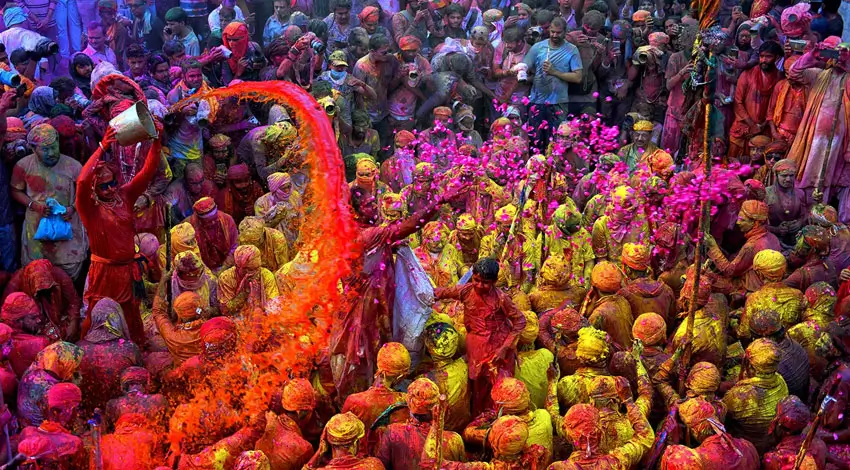
Pushkar has a reputation problem, though a pleasant one. The town is so famous for its annual Camel Fair that many travellers assume the fair is the only reason to come. They picture Pushkar as a place that springs to life for a few days each year and then, presumably, goes quiet.
The going quiet is exactly the point. Pushkar beyond the Camel Fair is a small, sacred, deeply atmospheric desert town, and for the discerning traveller, experiencing it outside the fair season is arguably the better way to know it. Without the crowds, Pushkar reveals its true character: a holy town wrapped around a sacred lake, ringed by hills and desert, holding one of India's most significant temples, and moving to a slow, peaceful rhythm that the fair entirely obscures.
This is a guide to that quieter Pushkar. It is for the traveller who values calm, atmosphere and authenticity, and who would rather know a place in its everyday state than only in its festival costume.
More Than a Festival - A Destination Full of Timeless Beauty
Pushkar offers an unforgettable blend of spirituality, heritage, culture, and desert landscapes. Whether you're exploring historic temples, enjoying a camel safari, visiting nearby villages.
Pushkar sits in Rajasthan, not far from the city of Ajmer, set around a lake and encircled by low desert hills. It is, above all, a sacred town, one of the most important pilgrimage sites in India, and this spiritual character shapes everything about it.
The town is small and walkable, with a compact old core of lanes, ghats, temples and a bazaar. It has long drawn pilgrims and, more recently, travellers from around the world seeking its particular blend of the spiritual, the peaceful and the gently bohemian. There is a calm, reflective quality to Pushkar that sets it apart from the grander, busier cities of Rajasthan. It is not a place of mighty forts and palaces. It is a place of quiet mornings, sacred water, temple bells and desert light.
Understanding this is key to enjoying Pushkar properly. You come here not to tick off monuments but to slow down, absorb an atmosphere, and experience a side of Rajasthan that is gentle, sacred and serene.
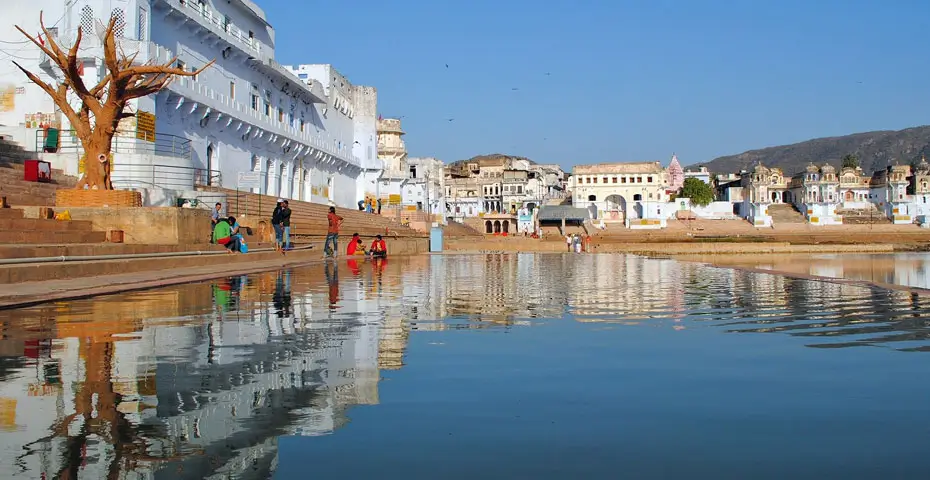
At the centre of Pushkar, both physically and spiritually, lies Pushkar Lake.
This sacred lake is the reason the town exists, and it remains the focus of its religious life. The lake is ringed by numerous ghats, the stepped embankments leading down to the water, where pilgrims come to bathe and perform rituals and prayers. The lake is considered deeply holy, and the atmosphere around it, particularly in the early morning and at dusk, is genuinely moving.
For a traveller, the lake and its ghats are best experienced quietly and respectfully. Early morning is especially beautiful, when the light is soft, the air is cool, the town is calm, and the rituals of the day are beginning. Evening, as the light fades and lamps appear, has its own gentle magic. This is a sacred space, so observing it with respect, removing footwear where required and being mindful around those at prayer, is both expected and part of experiencing it meaningfully.
Pushkar holds one of India's most significant temples: the Brahma Temple.
This temple is dedicated to Brahma, and it is among the very few temples anywhere in India devoted to this deity, which gives Pushkar a special place in Hindu pilgrimage. The temple draws pilgrims from across the country, and visiting it offers insight into both the religious importance of the town and the traditions of Hindu worship.
Beyond the Brahma Temple, Pushkar is dotted with numerous other temples, large and small, woven through its lanes and set into the surrounding hills. Some hilltop temples reward a short climb with beautiful views over the town, the lake and the desert beyond, particularly lovely around sunrise or sunset. A guide helps a traveller understand the significance of these temples and the customs of visiting them respectfully.
Pushkar's old town is a pleasure to wander. Its narrow lanes wind between temples, guesthouses, cafes and shops, and the town's main bazaar is full of character.
Pushkar's bazaar has long had a distinctive, gently bohemian flavour. It is known for textiles, silver jewellery, handicrafts, leather goods and an eclectic mix of wares, reflecting the town's long history as a meeting point of pilgrims and travellers. Browsing here is relaxed and atmospheric, quite different from the grand commercial bazaars of larger Rajasthan cities. Pushkar also has a notable cafe culture, with relaxed spots offering a calm place to pause, often vegetarian in keeping with the town's sacred character.
It is worth noting that Pushkar, as a holy town, has a particular character: it is largely vegetarian, and alcohol is generally not part of the town's life. Far from a limitation, this is part of what gives Pushkar its calm, clean and reflective atmosphere.
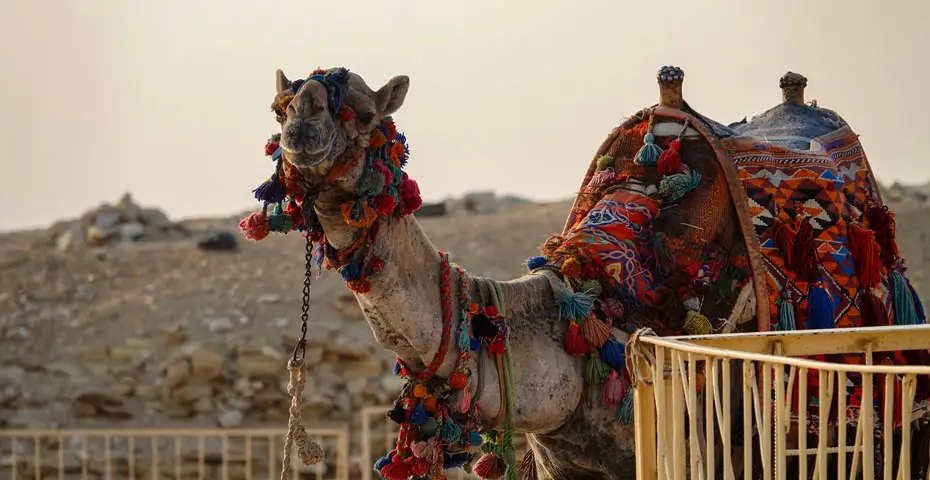
One of Pushkar's quiet pleasures is simply its setting. The town sits among low desert hills, and the surrounding landscape offers space, calm and beautiful light.
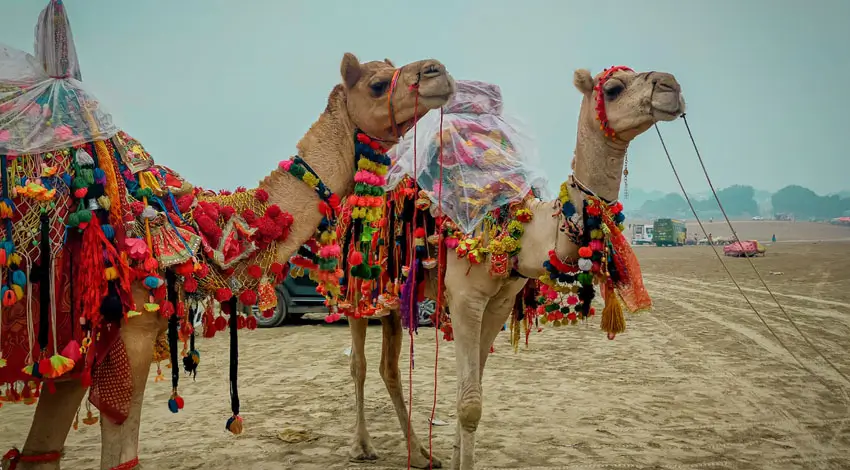
The desert around Pushkar can be experienced gently: a sunset viewed from a hillside or a dune, a quiet walk in the landscape, the wide skies and clear air that come with a desert location. For travellers who want it, a camel ride or a gentle desert excursion connects Pushkar to its Thar Desert surroundings, available year-round and entirely separate from the famous fair. Experienced outside the fair, the desert around Pushkar is peaceful and uncrowded, a setting for reflection rather than spectacle.
Pushkar's accommodation has grown to include genuinely lovely options for the discerning traveller, in keeping with the town's quiet, reflective spirit.
Around the town and in the surrounding landscape are heritage properties, boutique hotels, refined tented camps and elegant retreats that offer comfort and beauty without disturbing Pushkar's calm. A luxury tented camp or a heritage retreat on the town's edge, with views of the hills and desert, suits Pushkar perfectly, offering peace, space and quiet luxury. Some properties offer the serenity of a desert or hillside setting, a short distance from the sacred town itself.
The right stay in Pushkar is not about grandeur but about tranquillity, and a private operator matches you to a property that captures the town's particular gentle character.
The great advantage of visiting Pushkar beyond the Camel Fair is precisely that you choose your timing.
The cool winter months, broadly October through March, offer the most comfortable weather for exploring the town, the ghats, the temples and the desert, and outside the fair dates these months are peaceful. Visiting in the quieter periods means experiencing Pushkar as it truly is day to day: calm, sacred and unhurried, with the ghats and lanes occupied by pilgrims and everyday life rather than festival crowds. For travellers whose priority is atmosphere and serenity, this is Pushkar at its most authentic and most rewarding.
Uncover the Pushkar Most Travelers Never See
Beyond the famous Camel Fair lies a town where spirituality, history, and culture blend beautifully. Explore the sacred Pushkar Lake, visit one of the world's few Brahma Temples, wander through lively local markets.
Pushkar sits conveniently within a wider Rajasthan itinerary. It lies within reach of Jaipur and other key Rajasthan destinations, and it makes a natural and rewarding stop on a journey through the state.
What Pushkar contributes to an itinerary is contrast. Amid the forts, palaces and grand cities of Rajasthan, Pushkar offers a gentle, sacred, slow interlude, a chance to pause, breathe and experience a quieter dimension of the region. A day or two in Pushkar, placed thoughtfully within a longer journey, provides exactly this change of pace, and a private operator positions it where it will be most refreshing.
Pushkar is a town of atmosphere and meaning rather than headline monuments, which makes the quality of the experience around it especially important.
A private, tailored journey reveals Pushkar properly. A knowledgeable guide explains the significance of the sacred lake, the ghats, the Brahma Temple and the customs of this holy town, so a traveller experiences Pushkar with understanding and appropriate respect rather than as a confused outsider. The journey is timed and paced to catch the town at its most beautiful and most peaceful, the soft early mornings and the gentle evenings. The right quiet luxury stay is chosen, capturing the town's calm. A gentle desert experience can be arranged for those who want it. And Pushkar is woven into a wider Rajasthan journey at exactly the point where its slow, sacred character offers the most welcome contrast.
The result is a Pushkar experienced as it deserves to be: not as a famous fairground seen out of season, but as a genuinely special sacred town, quietly and beautifully known.
The Camel Fair is remarkable, and it has its own dedicated guide. But Pushkar is not a town that exists only for those few days. Pushkar beyond the Camel Fair is a sacred, serene, atmospheric desert town, and for the traveller who values calm and authenticity, experiencing it in its everyday state is a quiet privilege. Slow down, let the town set the pace, and Pushkar will reward you with one of the most peaceful and meaningful experiences in all of Rajasthan.
If you would like to experience the calm, sacred side of Pushkar, let us design a private, tailored visit for you, taking in the sacred lake, the Brahma Temple, the atmospheric lanes and the peaceful desert setting, with an expert guide and a quiet luxury stay. Get in touch to begin planning a refined Pushkar experience as part of your wider Rajasthan journey.
Yes. Outside the fair, Pushkar reveals its true character as a calm, sacred and atmospheric desert town, which many travellers find the more rewarding way to experience it.
Pushkar is known for its annual Camel Fair, its sacred lake, the rare Brahma Temple, and its peaceful, gently bohemian character as one of India's important pilgrimage towns.
Pushkar Lake is the sacred lake at the heart of the town, ringed by ghats where pilgrims bathe and perform rituals. It is considered deeply holy and is the focus of the town's religious life.
The Brahma Temple is among the very few temples in India dedicated to the deity Brahma, which gives Pushkar a special place in Hindu pilgrimage and draws devotees from across the country.
Early morning is especially beautiful, with soft light, cool air and a calm atmosphere. Evening, as lamps appear, also has a gentle, moving quality.
Yes. As a sacred town, Pushkar is largely vegetarian, and alcohol is generally not part of its life. This contributes to its calm, clean and reflective atmosphere.
You can wander the atmospheric old lanes, browse the characterful bazaar, enjoy the relaxed cafe culture, climb to hilltop temples for views, and experience the peaceful desert setting.
Pushkar's bazaar has a distinctive, gently bohemian flavour, known for textiles, silver jewellery, handicrafts and leather goods. It is relaxed and atmospheric to browse.
Yes. The desert setting around Pushkar can be enjoyed year-round, with sunset viewpoints, gentle walks and camel rides available entirely separately from the famous fair.
Pushkar offers heritage properties, boutique hotels, refined tented camps and elegant retreats. A quiet luxury camp or hillside retreat suits the town's peaceful character well.
The cool winter months, broadly October through March, offer the most comfortable weather, and outside the fair dates these months are peaceful and authentic.
Yes. Pushkar is a holy town, and the lake, ghats and temples are sacred spaces. Removing footwear where required and being mindful around those at prayer is expected.
A day or two is ideal for experiencing the town's calm, sacred character without rushing, fitting comfortably within a wider Rajasthan journey.
Pushkar lies within reach of Jaipur and other Rajasthan destinations and offers a gentle, sacred contrast to the region's grand forts and palaces.
Very much so. Outside the fair, Pushkar is one of the most peaceful and reflective destinations in Rajasthan, ideal for travellers who value calm and atmosphere.
A private tour provides a guide who explains the town's sacred significance and customs, times the visit for the most beautiful and peaceful moments, arranges a fitting quiet luxury stay, and places Pushkar well within a wider journey.