Some countries are pleasant to photograph. India is something else entirely. Few places on earth offer a photographer so much, so densely, and so constantly: the colour, the architecture, the light, the faces, the festivals, the landscapes, the everyday street life that turns every corner into a potential frame. For an enthusiast photographer, India is not a destination. It is an education and an inspiration, a place that will fill memory cards and reshape the way you see.
But India also rewards preparation. The country offers so much that a photographer without a plan can feel overwhelmed, and the most rewarding images, the ones that capture light, moment and meaning, come to those who travel thoughtfully. Photographing India well is partly about skill, partly about being in the right place at the right time, and partly about travelling in a way that gives you the access, the timing and the freedom to shoot.
This guide is written for the enthusiast photographer. It covers what makes India so extraordinary through a lens, where to point that lens, how to work with the light, the all-important matter of photographing people respectfully, practical considerations, and how a well-designed photography tour turns a great photographic country into the trip of a lifetime.
The Right Place. The Perfect Light. Your India Story.
Great travel photography is about more than being there—it's about being there at the right moment. Travel privately with an itinerary built around beautiful light, remarkable locations.
It is worth understanding why India is so special for photography, because each of its strengths suggests how to approach it.
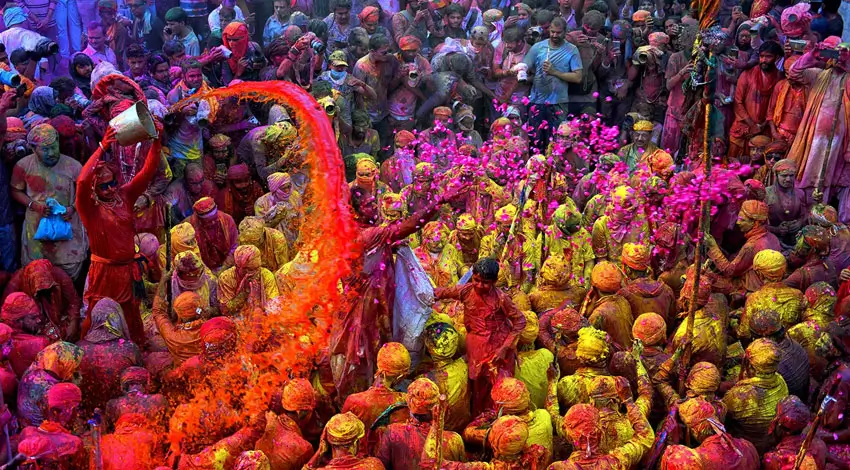
The colour is unlike anywhere else. India is saturated, in its textiles, its architecture, its markets, its festivals, its everyday life. Colour is everywhere, and it gives images an immediate vibrancy.
The architecture spans centuries and styles. Forts, palaces, temples, mosques, stepwells, havelis and monuments offer the photographer an endless wealth of subjects, from the grand and symmetrical to the intricate and ornamental.
The people and the street life are endlessly compelling. India is vivid and alive in its streets, its markets and its public spaces, full of moments, gestures, character and humanity, for the photographer who approaches them with respect.
The festivals and ceremonies are among the most photogenic events on earth, from the lights of Diwali to the colour and spectacle of the Pushkar Camel Fair, as our dedicated guides explore.
And the landscapes are remarkably varied: deserts, mountains, backwaters, coastlines, rivers and green countryside, each offering its own photographic character.
Together, this density of subject matter is what makes India so rewarding, and also what makes a thoughtful plan so valuable.
India offers more photographic destinations than any single trip can hold, so a good photography journey is built on a considered selection. Here are some of the country's richest regions for the camera.
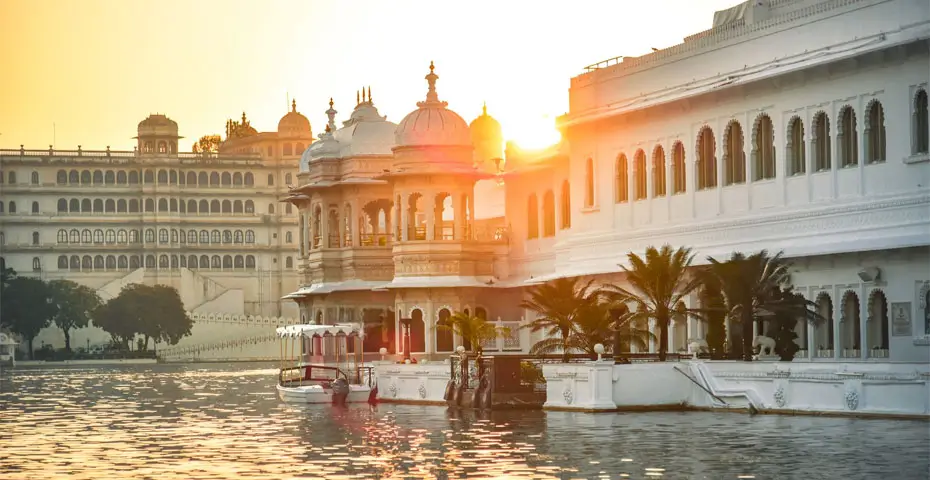
Rajasthan is, for many photographers, the heart of a photographic India journey. It offers a concentration of subjects found almost nowhere else: the mighty forts and ornate palaces, the colour-coded cities such as the Pink City of Jaipur and the Blue City of Jodhpur, vibrant bazaars, the desert, the stepwells, and a rich tradition of textiles and crafts. The light in Rajasthan, clear and golden in the winter season, is superb. Rajasthan alone could fill a photography trip.
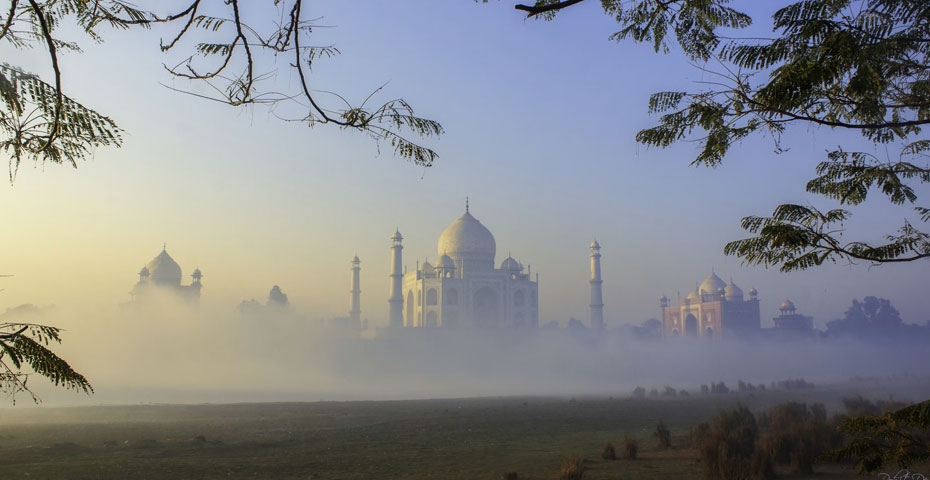
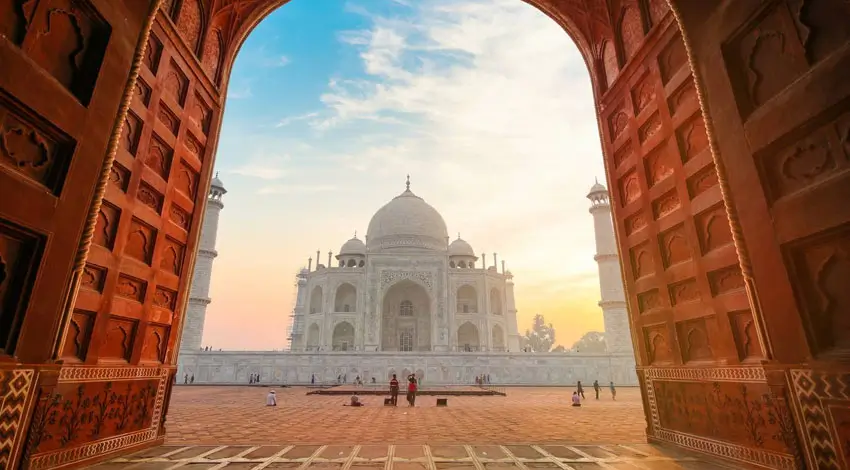
The Taj Mahal is among the most photographed buildings in the world, and photographing it well, in the soft light of sunrise, or from the tranquil Mehtab Bagh garden across the river, is a genuine highlight. Agra offers more besides, as our dedicated guide explores.
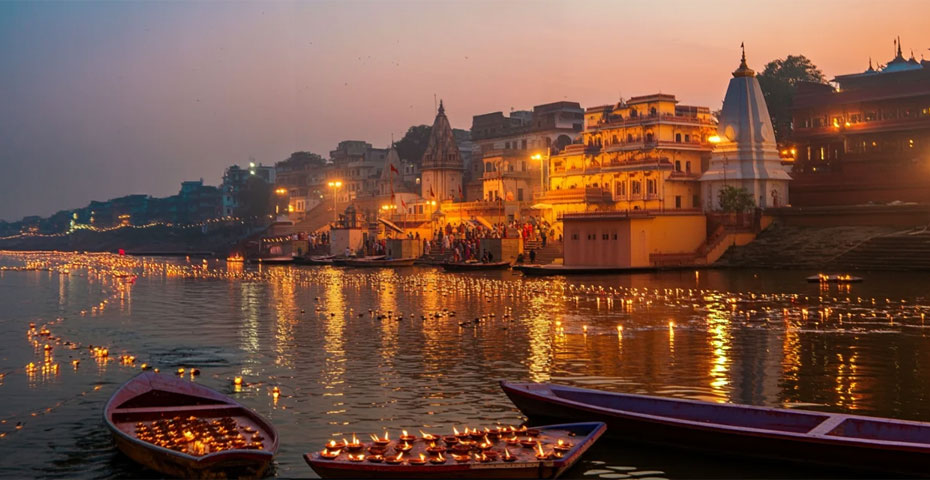
Varanasi, India's spiritual heart on the Ganges, is one of the most photographically powerful places in the country. The ghats, the river, the rituals, the light and the profound atmosphere offer extraordinary images, particularly around dawn. It calls for sensitivity, as much of what unfolds is deeply sacred.
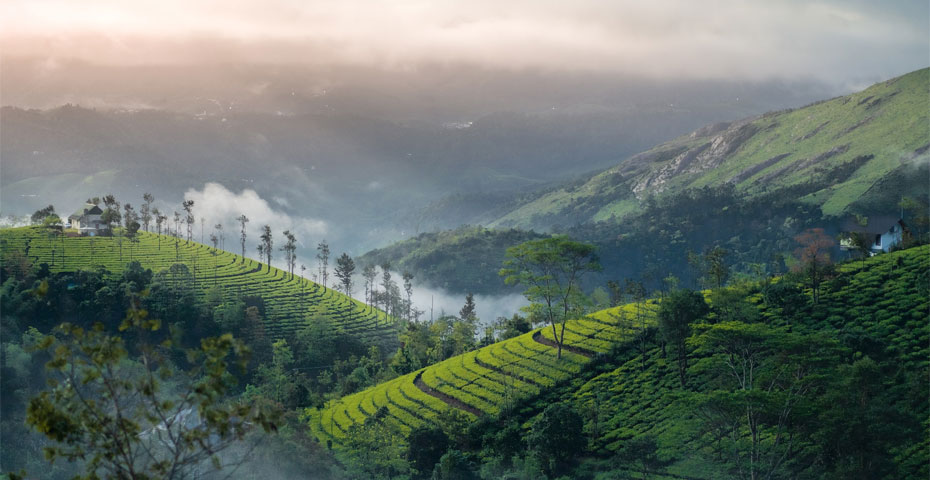
The south offers a gentler photographic palette: the green backwaters, the tea-covered hills, the coast, the temple towns and a different quality of light and life. It is a beautiful counterpoint to the north.
Timing a journey around a great festival, Diwali, the Pushkar Camel Fair, or others, places a photographer among some of the most vivid scenes India offers.
A photography journey is best built by choosing a coherent route through a selection of these, rather than attempting everything, and shaping the choice around the photographer's own interests.
Light is the photographer's true subject, and India rewards those who understand its rhythms.
The golden hours, the soft, warm light shortly after sunrise and before sunset, are when India is at its most beautiful, and serious photographers structure their days around them. The early morning is especially valuable in India: the light is gorgeous, the air is clearer, the heat is gentle, and many places, monuments, ghats, markets, streets, are at their calmest and most atmospheric before the day fills up. Rising early is perhaps the single most rewarding habit for photographing India.
The harsh midday light is more challenging, and the middle of the day is often best used for rest, indoor subjects, or travel between locations. The cool, dry winter season generally offers the clearest air and the best overall light, while other seasons, including the dramatic skies of the monsoon, offer their own distinct moods, as our seasonal guides explore.
A photography journey planned with the light in mind, reaching key locations at the golden hours rather than whenever a standard schedule allows, produces dramatically better images. This timing is one of the most valuable things a well-designed photography tour provides.
India's people are among its most compelling photographic subjects, and how a photographer approaches them matters enormously, ethically and for the quality of the images.
The guiding principle is respect. People are not scenery. The best portraits come from a moment of genuine human connection, not from a long lens used at a distance to take without asking. Wherever possible, seek permission, through a smile, a gesture, a few words. Most people respond warmly, and the resulting portrait, made with consent and a moment of connection, is almost always better than a stolen frame.
Be especially mindful at religious and sacred sites and during ceremonies and rituals. These are not performances. Observe respectfully, follow any local guidance, and never let the camera intrude on a sacred or private moment. Some sites restrict photography altogether, and these restrictions must be honoured. Be sensitive, too, about photographing in situations of poverty or hardship, where dignity must always come first.
This is an area where a knowledgeable local guide is invaluable. A guide can help bridge the gap, facilitate genuine and comfortable interactions, advise on what is and is not appropriate, communicate on your behalf, and ensure that your photography is always respectful. The images that result, made with connection and consent, are both more ethical and more powerful.
India Is Waiting. Your Best Photographs May Be Here.
From Rajasthan's golden light and Varanasi at dawn to the Taj Mahal at sunrise and Kerala's lush landscapes, discover India through a journey shaped around your lens, your pace.
A few practical points support a successful photography journey.
On gear, bring what you genuinely use and are comfortable with. India's variety suggests versatility, a range that handles both sweeping architecture and intimate portraits, but the best camera is the one you know well. Bring ample memory storage and spare batteries, plan how you will back up images as you travel, and bring a means of keeping gear clean, as India can be dusty, particularly in the desert and during the dry season.
Protect your equipment from dust, and from rain if travelling in the monsoon, with appropriate bags or covers. Be considerate about security, keeping gear sensibly managed, which is straightforward on a private journey with your own transport. And remember that the rest of this series of guides, on packing, health, connectivity and seasons, all applies to the photographer too.
Above all, balance shooting with seeing. The temptation in India is to photograph constantly. Some of the journey should be experienced directly, through your own eyes, not only through the viewfinder.
A photography-focused journey through India suits a broad range of enthusiasts.
It suits the dedicated hobbyist who wants their travel built around the best light and the richest subjects. It suits couples or friends where one or more is a keen photographer and the itinerary can balance shooting with broader sightseeing. It suits travellers at many skill levels, as India rewards the beginner and the experienced photographer alike. The key is an itinerary designed with photography in mind, with the timing, the access and the pace that photography requires, while remaining a comfortable and luxurious journey.
There is a real and visible difference between photographs made on a standard trip and those made on a journey designed for photography. That difference comes down to timing, access, knowledge and freedom, and these are exactly what a well-designed private photography tour provides.
A private, photography-aware itinerary is built around the light, getting you to the right locations at sunrise and the golden hours, not whenever a fixed schedule dictates. It builds in the time to wait for a moment, to work a scene, to return to a location, rather than rushing you onward. It provides knowledgeable local guides who know where the best vantage points are, when and where the light works, and how to facilitate respectful, genuine interactions with people. It provides private transport, so you can stop when the light or a scene demands it, and move on your own schedule. It secures access and arranges experiences, festivals, markets, crafts, that place you among the richest subjects. And it handles all logistics, so your attention stays on photography rather than arrangements.
For a photographer, this is the difference between hoping to capture great images and being consistently placed exactly where and when great images are possible. A luxury photography journey is, in the end, a journey designed so that your photographs are as good as the country deserves.
India will give a photographer more than almost any country on earth: more colour, more light, more architecture, more humanity, more moments. The photographers who come home with images that truly do it justice are the ones who travelled with a plan, with respect, with an eye on the light, and with a journey designed to put them in the right place at the right time. Photographing India, done well, is one of the great experiences an enthusiast photographer can have, and with a thoughtfully designed private journey, you will return with both a memory card and a memory worth keeping forever.
If you would like to experience India through your lens, let us design a private, tailored photography journey for you. We build itineraries around the light and the richest photographic subjects, provide knowledgeable guides who facilitate respectful access, arrange private transport so you can shoot on your own schedule, and handle every detail, so you can focus entirely on your photography. Get in touch to begin planning a luxury photography journey through India.
A private tour builds the itinerary around the light, provides time and flexibility to shoot, supplies knowledgeable guides for access and respectful interactions, and handles all logistics so you focus on photography.
Yes. A well-designed itinerary balances dedicated photography with broader sightseeing, which suits couples or groups where not everyone is a keen photographer.
A photography tour is built around the light and the best subjects, allows time to work a scene, provides knowledgeable guides and flexible private transport, and places you where great images are possible.
Yes. India rewards photographers of all levels. The key is an itinerary designed with photography in mind, offering the right timing, access and pace.
If festivals interest you, yes. Events such as Diwali and the Pushkar Camel Fair place a photographer among some of the most vivid and spectacular scenes India offers.
Protect equipment from dust with appropriate bags and covers, and from rain if travelling in the monsoon. A private journey with your own transport makes managing gear straightforward.
Bring gear you genuinely use and know well, ideally versatile enough for both architecture and portraits, along with ample storage, spare batteries, a backup plan and dust protection.
A guide knows the best vantage points and timing, can facilitate respectful and genuine interactions with people, advises on what is appropriate, and helps ensure your photography is always respectful.
Be especially respectful at sacred sites and during rituals, which are not performances. Follow local guidance, honour any photography restrictions, and never let the camera intrude on sacred moments.
With respect always first. Seek permission wherever possible through a smile or a few words. A portrait made with consent and genuine connection is both more ethical and more powerful.
The cool, dry winter season generally offers the clearest air and best overall light. Other seasons, including the dramatic skies of the monsoon, offer their own distinct moods.
The harsh midday light is challenging. The middle of the day is often best used for rest, indoor subjects, or travelling between locations.
The golden hours shortly after sunrise and before sunset offer the most beautiful light. Early morning is especially valuable, with lovely light, clearer air and calmer, more atmospheric locations.
Rajasthan offers a remarkable concentration of subjects: forts, palaces, the Pink and Blue cities, bazaars, desert, stepwells and crafts, all under the clear, golden light of the winter season.
Rajasthan, with its forts, palaces and colourful cities, Agra and the Taj Mahal, Varanasi on the Ganges, and the green south are among the richest. Festivals add further opportunities.
India is one of the most rewarding countries in the world to photograph, offering an extraordinary density of colour, architecture, light, people, festivals and varied landscapes.