
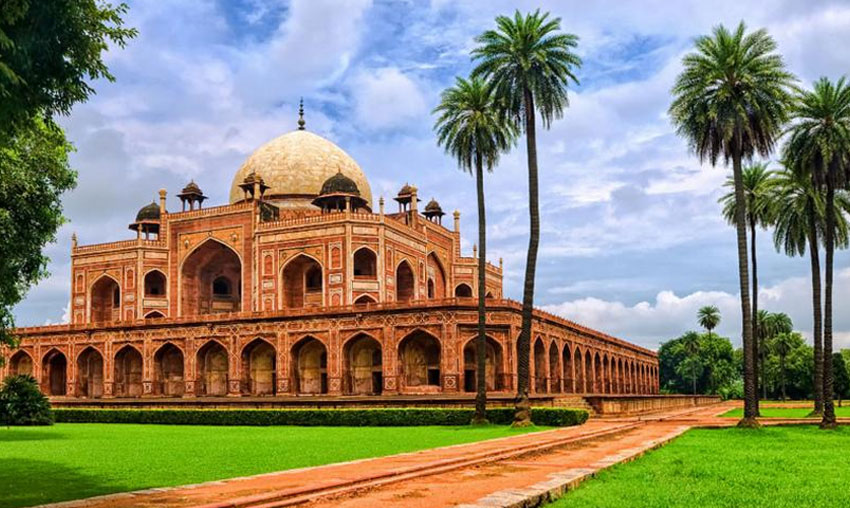
Every journey begins with preparation, and in India, understanding how currency and payments work is as essential as booking your hotel or planning your itinerary. India is a country where tradition and modernity coexist — you may buy spices from a centuries-old bazaar that only accepts cash, and later pay for a luxury yoga retreat with a mobile app. For foreign tourists in India, this mix can feel overwhelming, but with the right guidance, handling money becomes effortless. This blog from Luxury Private Tours Of India explains exactly how to navigate cash, cards, ATMs, forex cards, and UPI digital payments, ensuring your trip is smooth and stress-free.
The official currency of India is the Indian Rupee (₹ / INR). Banknotes come in colorful designs with denominations like ₹10, ₹20, ₹50, ₹100, ₹200, and ₹500. Smaller coins include ₹1, ₹2, ₹5, and ₹10, while a newer ₹20 coin is also in circulation. The large ₹2000 note has been phased out.
For visitors, carrying a mix of denominations is crucial. Auto-rickshaw drivers, local markets, and small eateries often do not accept cards or digital payments, so small notes are your best friend. Always keep enough change for tips, local travel, and street food, while saving larger notes for hotels or shopping.
Currency exchange in India is strictly regulated by the Reserve Bank of India. For the best rates and security:
Travelers can also consider preloaded forex cards before departure, which often provide better exchange rates and added security than carrying large amounts of cash.
Even in 2025, cash is still king in India. While digital India is rapidly expanding, cash transactions dominate in smaller towns and traditional markets.
Where cash is essential:
Carry your cash discreetly. Use a money belt or hidden pouch and avoid displaying large amounts in public. Splitting your cash into smaller bundles across different bags also reduces risk.
India widely accepts Visa, Mastercard, and American Express cards, especially at hotels, malls, airlines, and upscale restaurants. However, not every shop or taxi will take them.
Tips for card usage:
While cards are safe in luxury establishments, in smaller shops or rural areas you should rely on cash or UPI payments.
ATMs are widely available in cities, airports, and semi-urban towns. They accept most international cards, including Visa, Mastercard, Maestro, Cirrus, and Plus networks.
Important details for tourists:
Safety tips:
One of the most exciting developments for foreign tourists in India is the ability to use UPI (Unified Payments Interface). This instant mobile payment system has transformed India’s economy, and it is accepted almost everywhere — from luxury malls to tiny tea stalls.
In 2023, India launched UPI ONE WORLD, a special program allowing international tourists to access UPI through prepaid wallets.
For tourists, this means seamless digital payments without carrying large amounts of cash. It’s one of the safest and most convenient ways to manage money while exploring India.
Apps like Paytm and Mobikwik are popular among locals, but they usually require an Indian SIM and bank account. For international travelers, UPI ONE WORLD is the most accessible digital payment system. That said, Paytm and similar apps may still be useful if you are staying longer in India with a local number.
Forex cards are prepaid travel cards loaded with Indian Rupees. They are a secure alternative to cash and traditional cards, offering:
Many banks and forex companies issue them internationally. Tourists using luxury travel packages often combine forex cards with cash and digital payments for maximum flexibility.
Tipping is not mandatory but is part of Indian hospitality culture.
Always tip in Indian Rupees. Increasingly, digital tips via QR codes are accepted in urban areas.
Tourists should be alert to prevent financial frauds. Common scams include:
With a little awareness, these scams are easy to avoid.
India is affordable compared to Western standards, but your budget depends on travel style:
Having multiple payment methods ensures smooth transactions at all budget levels.
No. All transactions must be in Indian Rupees (INR). Exchange your currency at banks or authorized centers.
Yes, but use those inside bank branches and avoid withdrawing at night in isolated locations.
Carry a mix of cash, forex card, and UPI wallet for flexibility.
No. Only upscale establishments accept cards. Keep cash or UPI for local shops and transport.
Through UPI ONE WORLD, a prepaid wallet linked to authorized apps like Google Pay or PhonePe.
Keep ₹50, ₹100, and ₹200 notes for small expenses, and ₹500 notes for hotels or shopping.
Yes. Forex cards are safer, preloaded, and widely accepted in POS machines.
Up to $5000 in cash or $10,000 in combined cash + traveler’s cheques without declaration.
Yes. Most international hotels accept cards and UPI payments.
Tipping is expected in restaurants, hotels, and for drivers/guides, usually ₹50–₹500 depending on service.
Yes, but they offer poor exchange rates. Best to use banks or licensed money changers.
No. India offers incredible value — even luxury travelers can enjoy 5-star stays at lower prices compared to Western countries.