Let us begin with an honest reassurance. India is a warm, welcoming country, and the overwhelming majority of people a traveler meets are kind, helpful, and genuinely hospitable. Tourist scams exist, as they do in every major travel destination in the world, but they are not a reason to feel anxious about visiting. They are simply something to understand, so that you can recognize them, sidestep them, and travel with confidence.
This guide is written in that honest spirit. It explains the most common tourist scams in India clearly and without exaggeration, it offers simple, practical advice for avoiding them, and it shows how the right way of travelling removes most of the risk altogether. The aim is not to alarm you. It is to inform you, because an informed traveler is a relaxed one.
A useful frame before we begin. Almost every scam targets the same thing, a visitor who is alone, unsure, and easy to mislead. The single most effective protection, therefore, is simply to be informed and to travel in a way that does not leave you stranded in those vulnerable moments. With that in mind, here is what to know.
Understanding the logic behind scams makes them much easier to spot. Tourist scams work by exploiting uncertainty. A visitor who does not know the local prices, the local layout, or the local customs is easier to confuse, and confusion is what scams rely on.
This means the travelers most at risk are those who are completely independent, navigating unfamiliar cities alone, arranging transport and shopping on the spot, and making decisions under pressure with no local support. It is not about being naive. It is simply about being placed in situations where you lack information and a quick answer is demanded.
The flip side of this is reassuring. Travelers who are informed, who have trusted local support, and who are not forced into rushed decisions are very rarely affected by scams at all. The vulnerability is situational, which means it can be designed out of a trip.
Safe Travels Start With Smart Planning
Discover insider tips to avoid fake guides, inflated prices, and common tourist scams while exploring India in comfort.
Here are the scams a first-time visitor is most likely to encounter, explained plainly so you can recognize them.
The closed or moved attraction scam is common. Someone tells you that a monument, station, or office is closed, under renovation, or relocated, and helpfully offers to take you somewhere else instead, usually a shop or a different service. Genuine information about closures comes from official sources, not from strangers approaching you.
The overpriced transport scam involves drivers or touts charging far above the fair rate, claiming meters are broken, or taking long routes. It thrives when a visitor does not know the correct price or has no pre-arranged transport.
The commission shopping scam is one of the most widespread. A driver, guide, or helpful stranger steers you to particular shops where they earn a commission, and the prices are inflated to cover it. The pressure to buy can be considerable.
The gemstone or carpet resale scam is more elaborate. A visitor is persuaded to buy gems or goods on the promise of reselling them at a profit at home. The promise is false, and the goods are overpriced or low quality.
The fake or unofficial guide scam involves someone presenting themselves as an official guide at a monument, then delivering poor information and demanding a high fee. Genuine guides at major sites are properly accredited.
The distraction and overcharging tactics at busy places include incorrect change, prices quoted unclearly, or small staged distractions. They rely on a visitor being flustered in a crowded, unfamiliar setting.
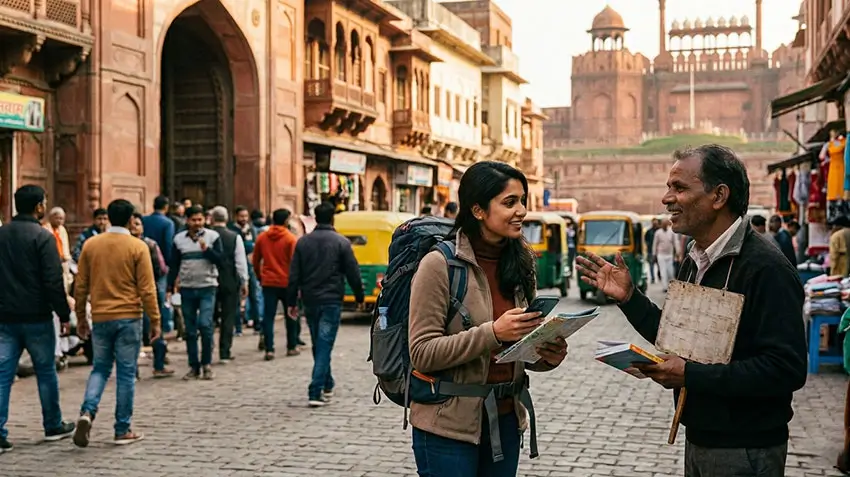
The friendly stranger and unsolicited help scam begins with someone being unusually helpful unprompted, then steering the interaction toward a shop, a service, or a request for money. Genuine kindness exists everywhere in India, but unsolicited help that quickly leads somewhere commercial is worth caution.
You do not need to memorize every scam. A handful of simple principles will protect you against almost all of them.
First, be wary of unsolicited information and help, especially when it leads toward a shop or a transaction. Politely decline and move on. Genuine help does not push you anywhere.
Second, never make rushed decisions under pressure. Scams depend on urgency. A confident, unhurried no is one of your strongest tools, and you are never obliged to decide on the spot.
Third, verify important information from official sources rather than from strangers. Opening times, closures, and official prices come from the venue, your hotel, or your trusted operator, not from someone who approaches you.
Fourth, agree prices clearly in advance for anything you arrange independently, and know the rough fair rate beforehand. Most transport disputes vanish when the price is settled before the journey.
Fifth, be cautious with shopping. Do not buy under pressure, do not believe resale-for-profit promises, and prefer reputable, fixed-price stores or trusted artisans over shops you were steered toward.
Sixth, keep your valuables sensible and low-key, use trusted payment methods, and check your change. These ordinary travel habits apply in India exactly as they would anywhere.
Follow these six principles and you have addressed the large majority of risks before they ever arise.
Here is the most important point in this guide. Most scams depend on a traveler being alone, uninformed, and forced into spot decisions. Remove those conditions, and the scams have almost nothing to work with.
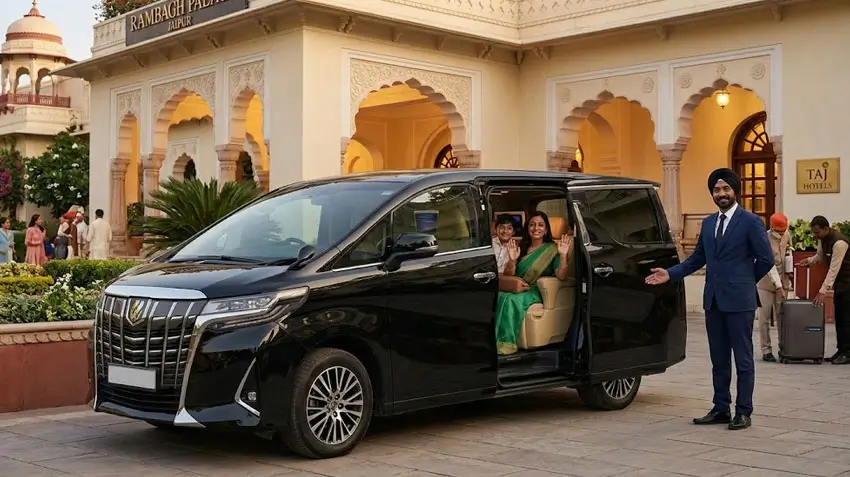
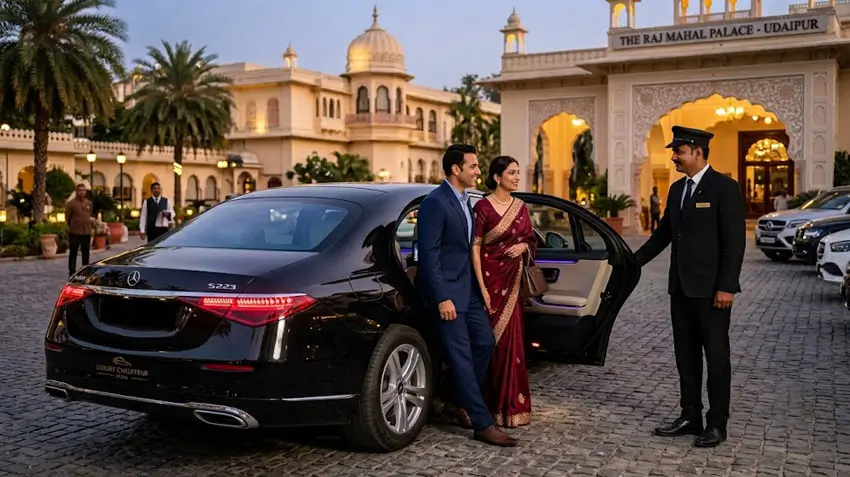
This is exactly what a private, well-organized trip does. With a professional, trusted chauffeur, your transport is pre-arranged and fairly priced, which eliminates the entire category of transport scams. There is no negotiating with strangers and no broken-meter routine.
With a reputable operator and trusted local guides, your sightseeing is handled by accredited professionals, which removes the fake-guide problem and the false closure scam, since you always have a reliable source of information.
With a properly run private tour, there are no commission-driven shopping stops. A trustworthy operator has no incentive to steer you anywhere, so if you wish to shop, you are taken to genuine, reputable artisans, and if you do not, you are not pressured at all.
And because the trip is planned and supported, you are never the stranded, uncertain visitor that scams target. You always have someone trustworthy to ask. This is why travelers on well-organized private trips so rarely encounter scams. The vulnerability has simply been designed out.
Travel India Smart and Scam-Free
Learn how to spot common tourist scams, avoid costly mistakes, and enjoy a safe, hassle-free journey across India with confidence.
It is worth ending with perspective, because the goal of this guide is a confident traveler, not an anxious one.
Tourist scams exist in India, but they exist in Paris, Rome, Bangkok, New York, and every other major destination on earth. India is not unusual in this. What this guide gives you is awareness, and awareness is what makes the difference. An informed traveler who recognizes the patterns simply does not present an easy target.
It is also important not to let caution close you off from the genuine warmth of India. The country's hospitality is real and remarkable, and most of the kindness you encounter will be entirely sincere. The skill is not suspicion of everyone. It is a calm, informed judgment that lets you enjoy real warmth while quietly stepping around the rare attempt to mislead you.
Travelled with awareness and with trusted support, India is a safe, welcoming, and deeply rewarding destination. The scams are a small footnote, not the story.
Travel India with Confidence and Trusted Support
Our team arranges fully private, well-organized journeys with professional chauffeurs, accredited guides, and no commission-driven stops, so you can enjoy the genuine warmth of India without worry. Tell us your travel plans.
Call & WhatsApp: +91-9829202521
Email: info@luxuryprivatetoursofindia.com
Plan your journey: https://luxuryprivatetoursofindia.com/contact-us
Yes. India is a warm and welcoming country, and most people a traveler meets are genuinely kind and helpful. Tourist scams exist, as in every major destination, but with awareness and trusted support they are easily avoided.
Common scams include false claims that an attraction is closed, overpriced transport, commission-driven shopping, gemstone resale promises, fake unofficial guides, overcharging at busy places, and overly helpful strangers steering you toward a transaction.
Be wary of unsolicited help, never make rushed decisions under pressure, verify information from official sources, agree prices in advance, shop cautiously without buying under pressure, and follow ordinary sensible travel habits.
Scams exploit uncertainty. A visitor who does not know local prices, layouts, or customs is easier to confuse. Travelers who are informed and have trusted local support are rarely affected.
The commission shopping scam is when a driver, guide, or stranger steers you to particular shops where they earn a commission, and prices are inflated to cover it. A properly run private tour has no such stops.
Genuine guides at major monuments are properly accredited. Booking through a reputable operator ensures you have professional, accredited guides and removes the risk of fake or unofficial guides.
Do not act on it. Genuine information about closures comes from official sources, your hotel, or your trusted operator, not from a stranger who approaches you and offers an alternative.
Pre-arrange your transport through a trusted source, agree the price clearly in advance, and know the rough fair rate. A private chauffeur arranged through a reputable operator eliminates transport scams entirely.
No. The promise of buying gems or goods to resell at a profit at home is a well-known scam. The goods are overpriced or low quality, and the resale promise is false. Never buy on this basis.
Yes, significantly. A private tour pre-arranges transport, provides accredited guides, includes no commission shopping stops, and ensures you always have trusted support, which removes most of the conditions scams rely on.
No, not generally. India's hospitality is genuine and most kindness is sincere. The skill is calm judgment, enjoying real warmth while being cautious only when unsolicited help quickly leads toward a shop or a transaction.
No. Tourist scams exist in every major destination worldwide, including Europe, Southeast Asia, and the United States. India is not unusual, and awareness is the key protection everywhere.
Do not buy under pressure, prefer reputable fixed-price stores or trusted artisans, avoid shops you were steered toward, and take your time. A well-run private tour ensures you are taken only to genuine, reputable shops if you wish.
Decline calmly and walk away. Scams depend on urgency, and you are never obliged to decide on the spot. A confident, unhurried no is one of the most effective protections you have.
A professional chauffeur arranged through a reputable, transparent operator will not, as the operator has no incentive to steer you. If you wish to shop, you are taken to genuine artisans, and if not, you are not pressured.
Be informed about common scams, follow simple prevention principles, and travel with trusted support such as a reputable operator and a professional chauffeur. Awareness, not anxiety, is what makes India a relaxed and rewarding trip.