In the heart of India lies a town that time forgot — Orchha, a serene riverside settlement where centuries-old palaces still whisper stories of courage, love, and devotion. Unlike crowded tourist hubs, Orchha preserves the pure essence of medieval India. Its sandstone forts, temple spires, and riverside cenotaphs blend history and spirituality into one mesmerizing landscape.
Located on the banks of the Betwa River in Madhya Pradesh, Orchha once served as the proud capital of the Bundela dynasty. Today, it remains untouched by urban chaos — a living museum of royal architecture, divine faith, and natural peace. For travelers seeking authenticity and quiet grandeur, Orchha India is a destination that feels like a spiritual retreat disguised as a town.
The first thing that strikes any traveler about Orchha is its stillness. The Betwa River flows quietly past the ghats, reflecting the golden silhouettes of cenotaphs and temples. The air carries the fragrance of marigolds and incense, and the only sounds are temple bells and the rhythmic chants of evening prayers.
As the sun sets behind the Orchha Fort complex, the entire sky turns amber, casting a divine glow on the domes and arches. This tranquil beauty makes the town feel like a painting come to life — one that evokes awe without demanding attention.
Orchha’s beauty isn’t extravagant; it’s meditative. The combination of heritage architecture, sacred atmosphere, and riverfront serenity creates a perfect balance that appeals to every traveler — whether a historian, photographer, or spiritual seeker.
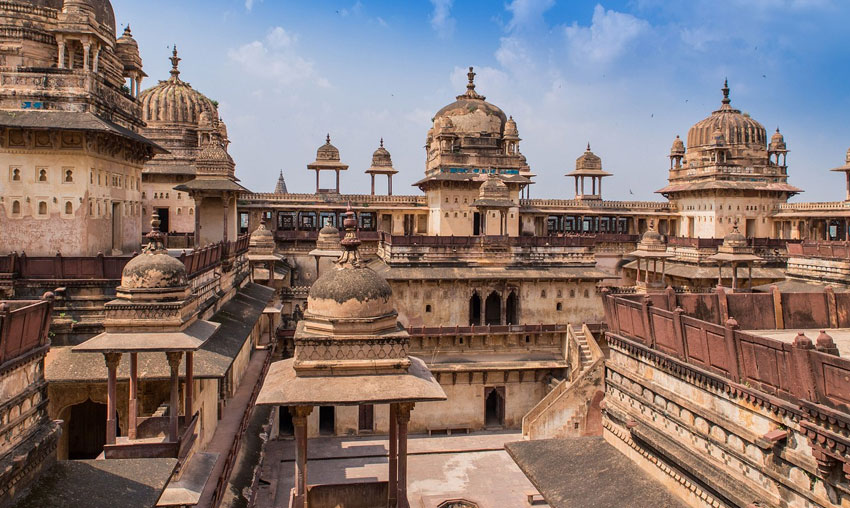
Orchha was founded in the 16th century by Raja Rudra Pratap Singh, a Bundela Rajput ruler. The dynasty’s legacy of bravery and devotion still echoes through its fortresses and palaces. The grandeur of the Orchha Fort complex, with its interconnected palaces — Jehangir Mahal, Raj Mahal, and Rai Praveen Mahal — speaks of architectural brilliance and royal aesthetics.
Jehangir Mahal, built to welcome the Mughal emperor Jehangir, is a masterpiece of Indo-Islamic design. Its carved balconies, domed pavilions, and symmetrical courtyards capture the artistic fusion of Mughal and Rajput traditions. From the top, you can witness panoramic views of the town and the Betwa River, shimmering under the afternoon sun.
Raj Mahal, another jewel within the fort, is renowned for its frescoes — vivid murals depicting religious scenes and courtly life. Every wall and ceiling feels alive with color and storytelling.
Rai Praveen Mahal carries an emotional charm. Built for the poetess and musician Rai Praveen, it celebrates the Bundela rulers’ appreciation for art and beauty. Her story of devotion and wit adds a touch of romance to Orchha’s royal saga.
Each structure within the fort complex reflects a chapter of Bundela pride — a blend of courage and creativity that defined their rule.
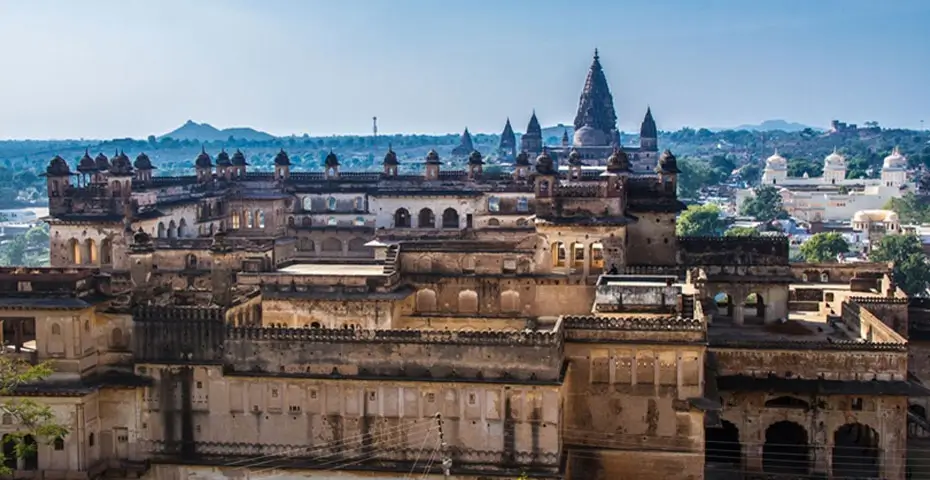
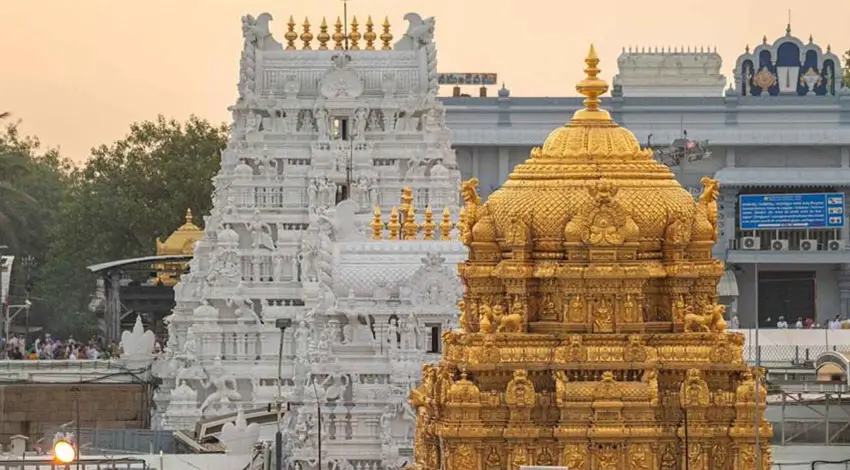
If the forts of Orchha speak of power, its temples express peace. Orchha’s temples are not only architectural wonders but also centers of living faith.
The most revered is the Ram Raja Temple, unique in all of India. Unlike traditional temples, here Lord Rama is worshipped as a king, not a deity. The temple resembles a palace, with guards performing royal salutes and devotees addressing the deity as “Raja Ram.”
The story behind this temple is as fascinating as its rituals. Legend says Queen Ganesh Kunwari brought an idol of Lord Rama from Ayodhya, promising to install it in the palace. Once placed there, the idol refused to move — thus, the palace became a temple, and Rama became the ruler of Orchha.
Another marvel, the Chaturbhuj Temple, stands adjacent to the Ram Raja Temple. It was originally intended for Lord Rama but later consecrated to Vishnu. Its elevated position offers breathtaking views of the town, especially during sunrise when golden rays illuminate its shikhars.
The Lakshmi Narayan Temple, blending fort and temple architecture, stands slightly away from the main town. Its walls are adorned with intricate murals depicting not just religious scenes but also battles and daily life — a vivid blend of devotion and storytelling.
Together, these temples create a spiritual circuit that fills Orchha with divine resonance.
Walk along the Betwa River and you’ll encounter one of Orchha’s most iconic sights — the Chhatris, or royal cenotaphs. These are grand memorials built for Bundela kings, standing in a row along the riverbank. Their reflection on the still waters during sunset is a scene of ethereal beauty.
Each Chhatri of Orchha is shaped like a miniature palace, complete with domes, arches, and carvings. Unlike somber tombs, these structures radiate dignity and calm. They remind visitors that even in death, the Bundela kings remain part of the land they cherished.
Photographers call this stretch “Orchha’s golden frame.” The combination of historic architecture, river reflections, and the orange hues of dusk make it one of the most photographed heritage sites in India.
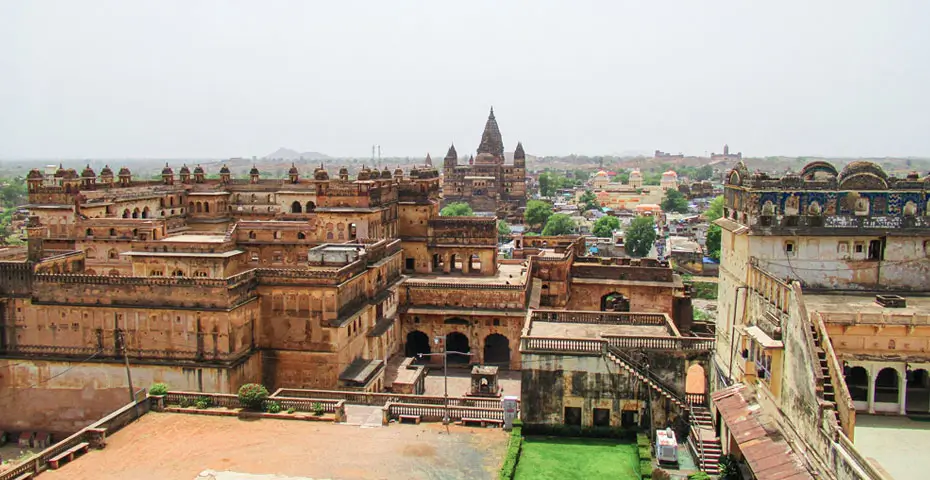
Unlike cities like Jaipur or Agra, Orchha offers monumental history without overwhelming crowds. You can spend hours exploring palaces, climbing fort terraces, and meditating in temples without interruption. This makes it a dream for travelers who seek authenticity and solitude.
The absence of commercialization allows the real spirit of India’s past to shine. Every archway and fresco seems to speak directly, unhurried and sincere. For photographers and artists, it’s a place where composition and inspiration come naturally.
Orchha is perfect for families and cultural enthusiasts who prefer meaningful exploration over hurried sightseeing. The distances between attractions are short, and the local hospitality is genuine. Families can stay in restored heritage properties that once belonged to noble families, offering a blend of comfort and history.
Kids find the forts fascinating, while adults appreciate the tranquility and architectural brilliance. The entire environment is safe, walkable, and deeply educational — an ideal introduction to India’s royal heritage.
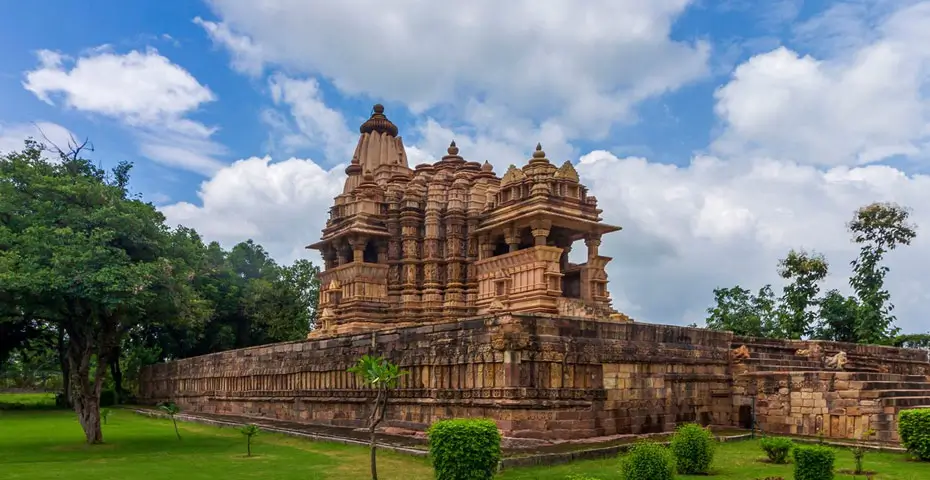
Geographically, Orchha sits perfectly between major tourist destinations. Travelers often combine Orchha with the Golden Triangle or extend their route to Khajuraho and Varanasi. The town’s peaceful atmosphere provides the perfect balance after the bustle of big cities.
Many luxury itineraries designed by travel specialists such as Luxury Private Tours of India include Orchha as a heritage stop — not just for its architecture, but for the emotional depth it adds to an India tour.
The Betwa River defines Orchha’s natural soul. Travelers can enjoy leisurely walks along the ghats, short boat rides, or peaceful picnics near the riverbanks. In the evenings, local priests perform aarti by the riverside — a ceremony that glows with lamps and chants.
For nature lovers, nearby wildlife sanctuaries like Orchha Nature Reserve offer short safaris where deer, peacocks, and migratory birds can be spotted. The combination of history and nature makes Orchha feel alive in every season.
What sets Orchha apart from other heritage towns is its simplicity. The locals carry their traditions with pride — from handcrafted souvenirs to home-cooked Bundelkhandi food. Travelers can attend local workshops on tie-dye textiles or pottery, learning directly from artisans.
Evening markets near the temple complex fill with aromas of street snacks, fresh flowers, and devotional songs. The rhythm of village life blends seamlessly with the grandeur of history — reminding travelers that the soul of India lies in its people as much as its monuments.
The ideal months to visit Orchha are from October to March, when the weather remains pleasant. The town glows during festivals like Diwali, Ram Navami, and Holi, offering travelers a glimpse into its living traditions.
Monsoon (July–September) brings lush greenery and dramatic river views, while summer (April–June) can be warm but perfect for quiet travel photography.
Orchha offers beautiful stays that complement its royal charm. Options include Orchha Palace Resort, Amar Mahal, and boutique riverfront lodges. Many heritage hotels feature frescoed walls, antique furniture, and views of the Orchha Fort — letting you wake up to history.
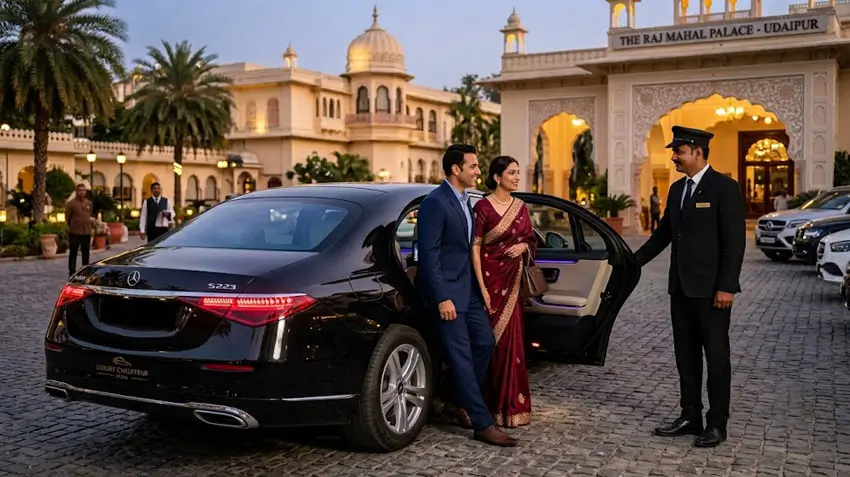
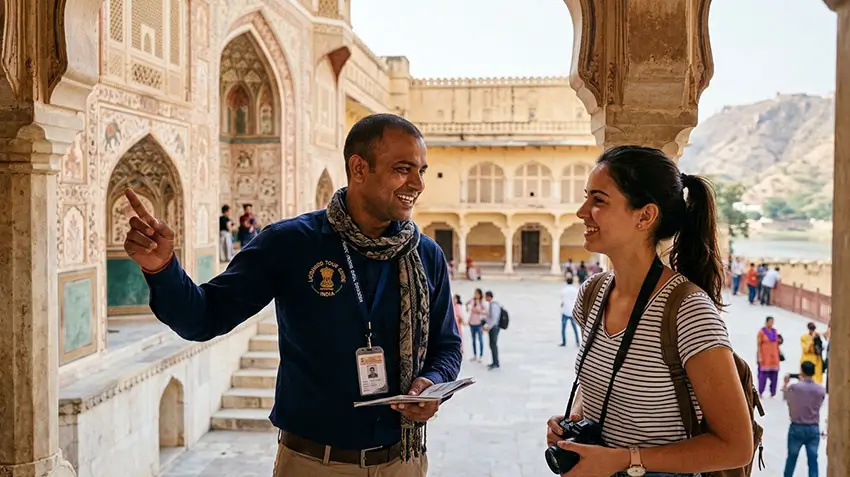
Guests traveling with Luxury Private Tours of India can expect chauffeur-driven transfers, curated experiences, and personalized sightseeing led by certified local guides.
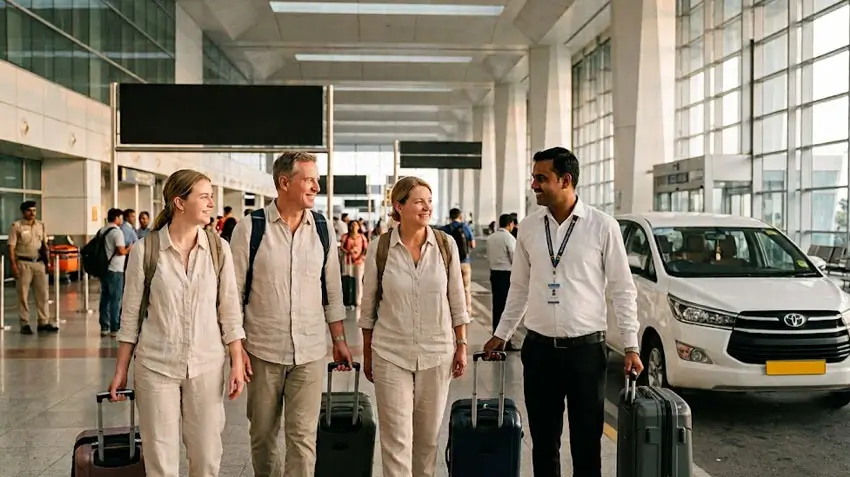
Orchha is easily accessible by road and rail. The nearest major station is Jhansi, just 15 km away, well connected to Delhi, Agra, and Varanasi. Travelers often arrive via private car or luxury chauffeur-driven vehicles, ensuring a comfortable journey.
For international tourists, this makes Orchha an effortless addition to broader India circuits — combining accessibility with serenity.
Walking through Orchha feels like stepping into another era. The walls whisper forgotten love stories, the ghats echo with morning prayers, and every corner offers a postcard-worthy frame. It is not a place you visit — it’s a mood you inhabit.
Unlike cities that rush to modernize, Orchha remains content in its rhythm — slow, soulful, and graceful. That stillness is its greatest luxury. For travelers who seek depth over display, Orchha isn’t just a destination; it’s an awakening
Orchha is in Madhya Pradesh, near Jhansi, about 400 km from Delhi.
It’s known for its medieval forts, temples, and riverside cenotaphs that reflect Bundela architecture and spirituality.
Not traditionally, but it’s often added as an extension to Delhi–Agra–Khajuraho circuits.
Two days are ideal to cover the fort, temples, and riverfront areas at a relaxed pace.
Yes, the town is peaceful, with friendly locals and minimal tourist hassle.
The Chhatris at sunset, Jehangir Mahal terraces, and river reflections are photographer favorites.
Yes, options like Amar Mahal and Orchha Palace Resort provide 4- and 5-star comfort with heritage aesthetics.
Yes, it’s possible from Jhansi or Khajuraho, but an overnight stay enhances the experience.
Jhansi Railway Station and well-maintained highways make it easily reachable by train or car.
Because it offers grand architecture and deep spirituality without the chaos of major tourist destinations — pure India, untouched and timeless.